

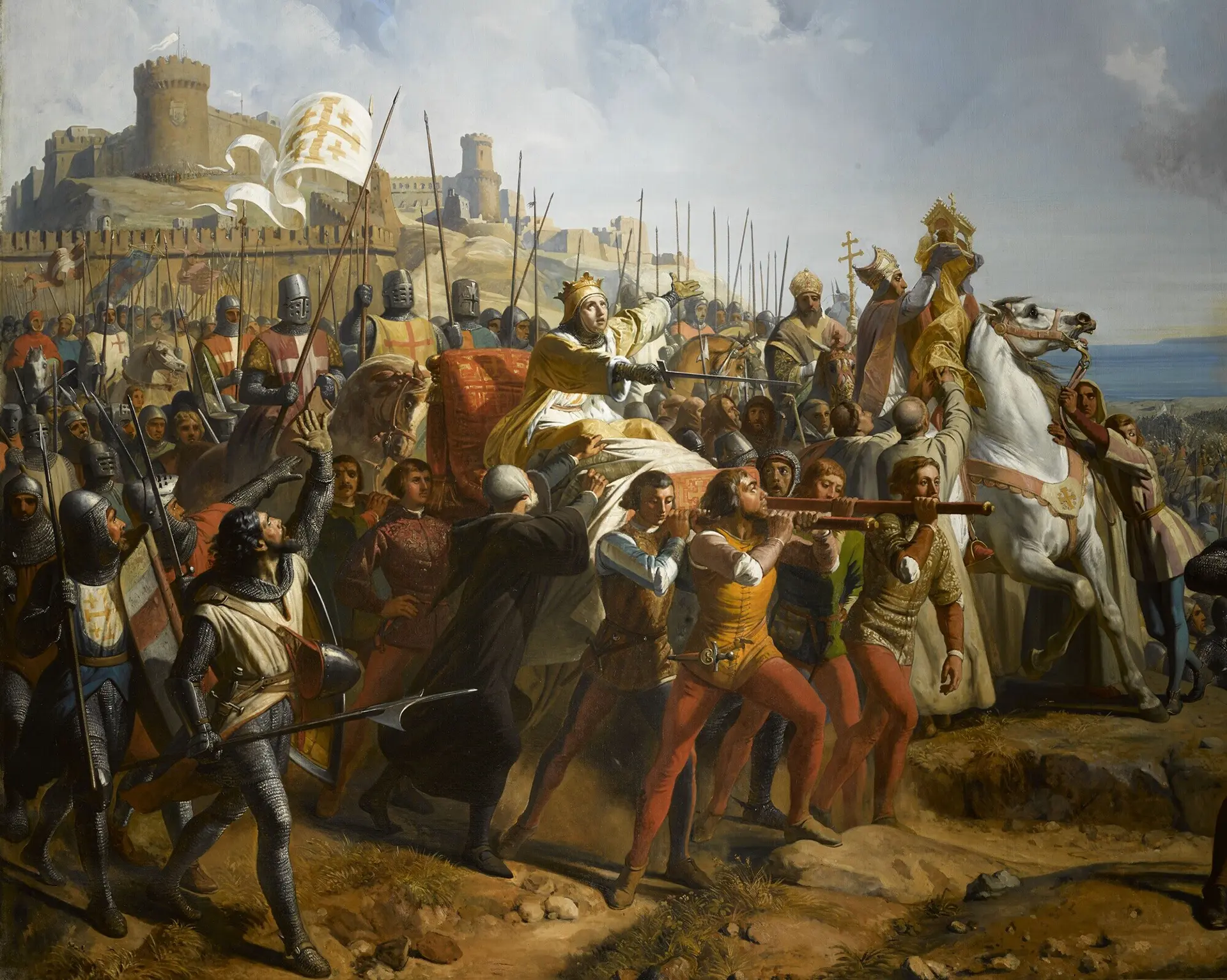
For Christians, the Bible is more than a book. It guides their actions and beliefs and contains many promises from God to any seeker. These promises come in all shapes and sizes, from promises of cosmic rescue (John 3:16) to help in times of trouble (Psalm 23). And while all promises apply to all who believe, there are some people whose lives give a greater demonstration of some promises than others. King Baldwin IV is one such person. He ruled Jerusalem during a turbulent time while battling a terminal illness—a task no-one should be expected to face but one that he managed with faith, believing the promises found in the Bible. Perhaps his favourite verse was in the New Testament book of James: “If any of you lacks wisdom, you should ask God, who gives generously to all without finding fault, and it will be given to you” (James 1:5). Ruling was an impossible task that he undertook with incredible wisdom and ability, by seeking God’s guidance and believing in His promises.
born to be king
Baldwin IV was born in 1161 to Amalric of Jerusalem, Count of Jaffa and Ascalon, and to Agnes of Courtenay. He was their second child—his sister, Sybilla, had been born first. In 1163, Amalric was crowned King of Jerusalem, making Baldwin heir to the throne. Not long after the coronation, Amalric and Agnes of Courtenay had their marriage annulled due to political differences. Both children stayed with the King and Agnes of Courtenay left.
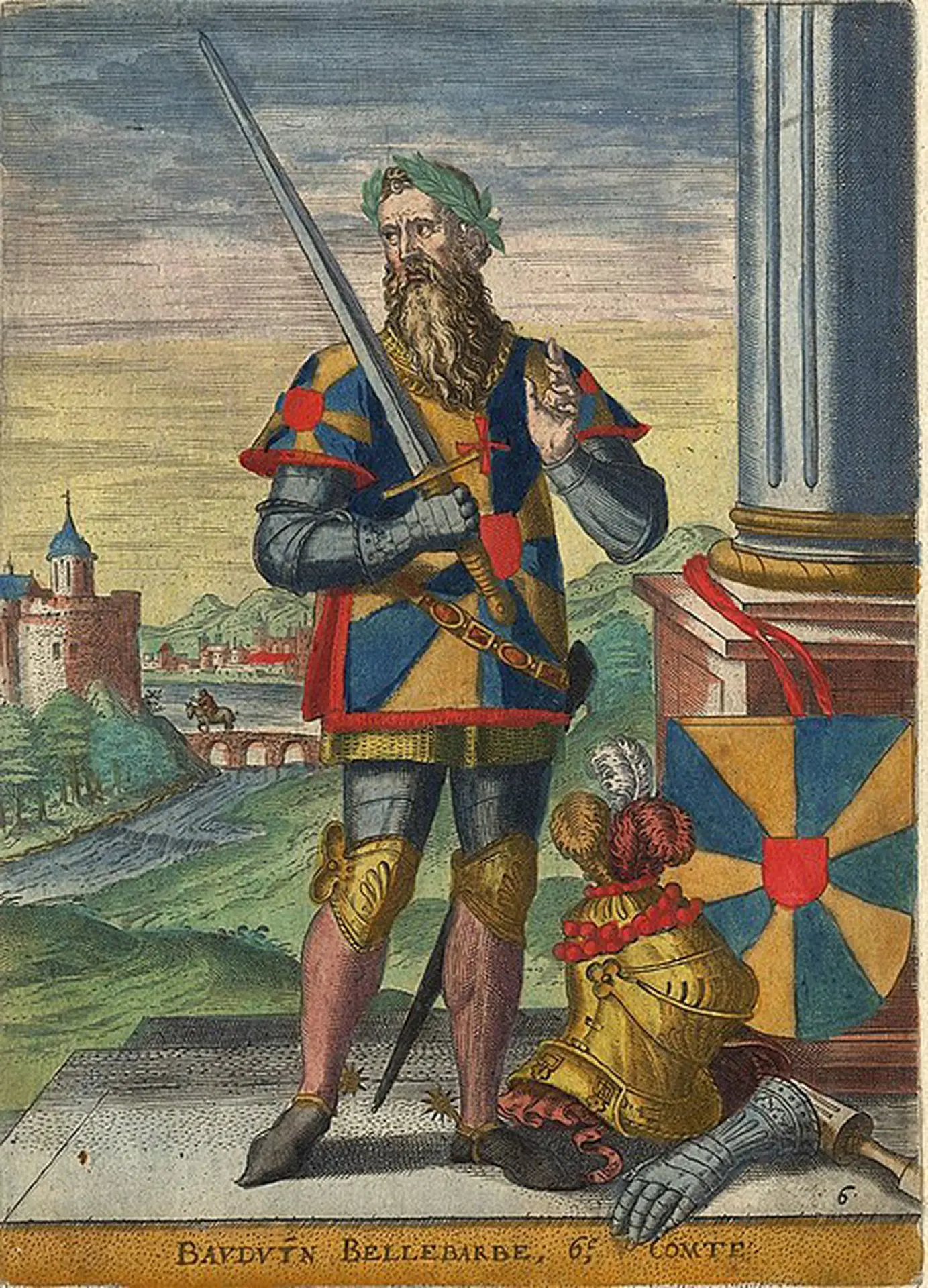
At the age of nine, Baldwin was fostered out to William of Tyre, who would later become Archbishop of Tyre. William was tasked with teaching the young heir all he needed to know to rule Jerusalem. Along with religious training to prepare him to be the spiritual head of the nation and combat training so he could face his enemies in battle, the heir required an exceptional knowledge of people and wisdom to manoeuvre through Jerusalem’s many political factions, as alliances in the Holy Land tended to be fragile at best.
This was dangerous for Jerusalem because it divided loyalties and put the kingdom at risk of not only civil war but also of attack by enemies who would not hesitate to exploit any perceived weakness. Baldwin needed to hold the court together and still lead his troops into battle when enemies attacked.
a dangerous diagnosis
It was during his combat training that William noted that the young Baldwin did not seem to feel much sensation in his right hand and arm. He called for doctors, who examined the boy and discovered he had leprosy. At the time, leprosy was a much-feared disease. It was believed to be a curse from God, contagious and without cure.
People who contracted the disease were banished from society to live with other lepers, but because Baldwin was the only eligible heir to the throne of Jerusalem, banishing said heir would leave a hole in the already-delicate political patchwork of Jerusalem. Doing so would surely cause irreparable damage in the constant faction fighting of the Holy Land. Because of this, the doctors did not deliver an official diagnosis, and anyone who knew of his affliction kept it secret for as long as possible.
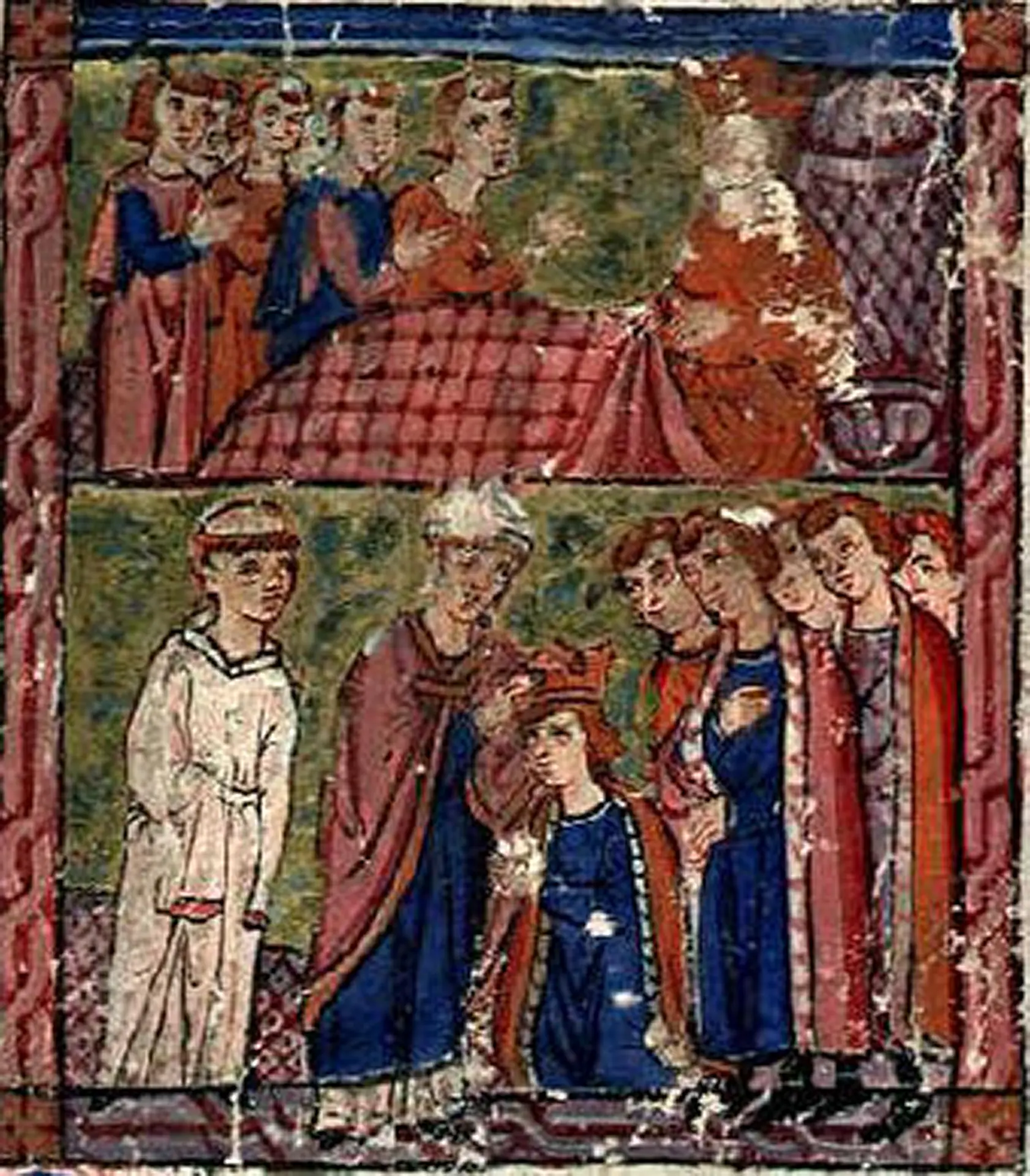
As part of his responsibility to become the spiritual head of a kingdom, Baldwin was taught to value Christian practices such as attending religious services as well as prayer and meditation. This discipline, as well as the other training he received, helped him when, at the tender age of 13, his father, King Amalric, died suddenly of dysentery, leaving the young boy as King of Jerusalem. Despite ruling through a regency while not yet of age, King Baldwin IV ruled wisely and well.
who’s the real enemy?
Of all the enemies of Jerusalem, Saladin, Sultan of Egypt and Syria, was the most persistent. He was constantly on watch for any sign of weakness and would attack
whenever he believed he had the advantage. King Baldwin IV, in spite of his leprosy, grew to be a formidable warrior and an even better leader, riding at the front of his army and leading the troops for as long as he could sit on a horse. Then, when his disease had progressed so far that he was incapable of remaining on horseback, he still stayed with the army in a litter, directing them to victory.

Court politics proved more difficult, especially since he was unable to produce an heir himself. Instead, that responsibility fell to his sister, Sybilla. Her first husband was William of Montferrat, heir to a powerful Italian family and a valuable ally. Unfortunately, William of Montferrat died suddenly while Sybilla was pregnant with their first child. She later gave birth to a son, Baldwin V, which was good news in terms of succession, but Baldwin IV was concerned the babe wouldn’t live long enough to allow him to grow old enough to become king.
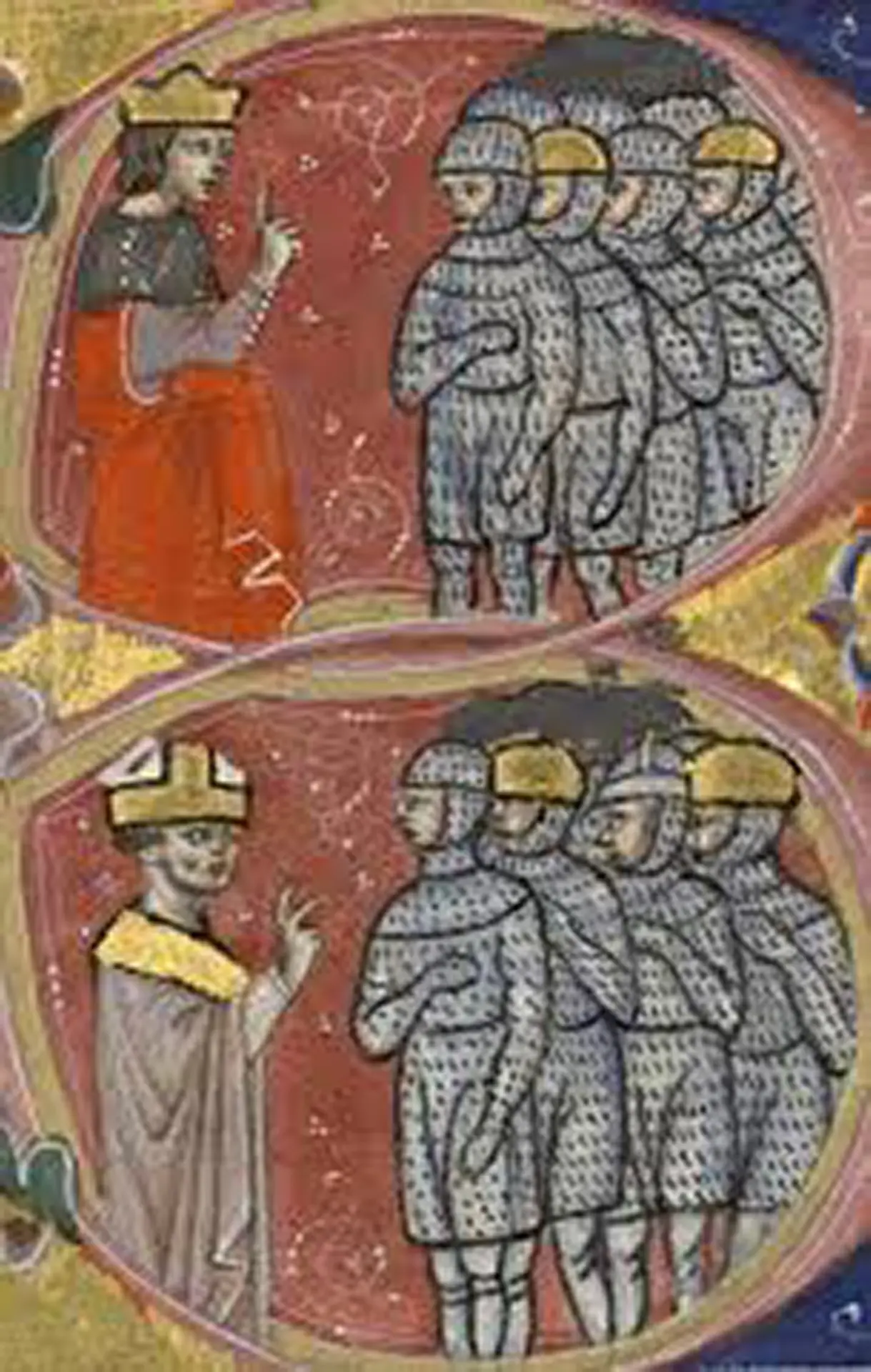
So, he arranged for Sybilla to marry the French knight Guy de Lusignan in the hopes that this would settle the political infighting enough to help smooth the transition of monarch when the time came. Unfortunately, Guy turned out to be a genuine disappointment, as he kept making decisions without consulting the king, sometimes even seeming to harbour rebellion rather than settle it. Baldwin IV did his best to work with Guy but once he realised that nothing was going to enable this man to rule with the wisdom needed to hold the nation together, he disinherited him and promoted his young nephew, Baldwin V, as co-king, making the line of succession unquestionable.
a short-lived legacy
At the young age of 24, Baldwin IV succumbed to the disease that had slowly taken him over. Baldwin V became king under the regency of Raymond III. The new king lived for only a year before he, too, died, and the nation could not hold itself together. This political division was a weakness that Saladin took advantage of and merely two years after the death of Baldwin IV, Jerusalem fell to Saladin. For centuries, the Church tried to regain control of Jerusalem, but it would not succeed.
The story of the leper king is remarkable because of how he, at such a young age, managed to hold together a kingdom in turmoil—and despite his debilitating disease, managed to hold a kingdom together when so many forces around it were trying to tear it apart. The miraculous life he lived still inspires people with its tale of one man who overcame so much and kept a nation united against all odds.