
Cambodia’s sex industry is a nuanced and multifaceted issue, deeply rooted in the country’s historical, socio-economic and cultural struggles. While the red-light districts of Phnom Penh, Siem Reap and Sihanoukville are often depicted as bustling hubs of nightlife, they are stark reminders of systemic gender inequality, poverty and exploitation. For the women within this industry, life is a delicate balancing act—between survival, societal stigma and the faint hope of a better future. Their children fare even worse.

haunting history
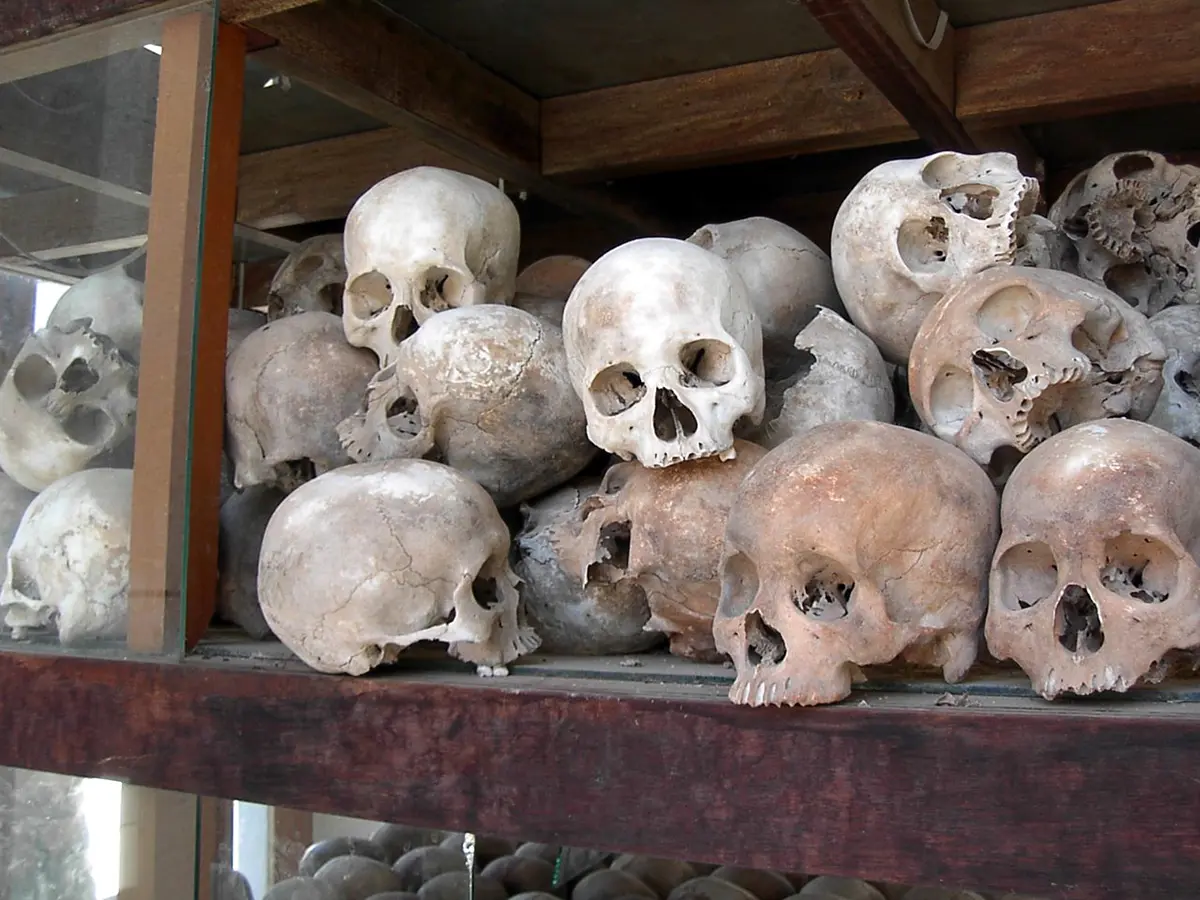
The sex industry in Cambodia is inextricably tied to the nation’s turbulent history. The Khmer Rouge regime (1975–1979), a radical communist movement that came to power after a devastating civil war, decimated the country’s economy, infrastructure and social fabric. The subsequent decades of recovery saw widespread poverty, limited opportunities for women and a growing reliance on informal, cash-based economies.
Most women enter the sex industry due to economic necessity, while some are trafficked entirely against their will. With approximately 17.8 per cent of Cambodians living below the poverty line, according to the World Bank, sex work often becomes one of the few viable options for women to provide for their families. This is particularly true for rural women, who frequently migrate to urban centres in search of income opportunities. In many cases, they are lured by promises of legitimate employment, only to find themselves coerced into prostitution.
Cambodia’s sex industry is closely linked to human trafficking. The Global Slavery Index estimates that thousands of Cambodians, predominantly women and girls, are victims of forced sexual exploitation. Vulnerable populations, such as orphans, ethnic minorities, the mentally disabled and those with limited education, are at heightened risk.
Despite efforts by the Cambodian government and international organisations to combat trafficking, enforcement remains very inconsistent. Corruption within law enforcement and judicial systems often hinders progress, allowing traffickers to operate with impunity. Meanwhile, the stigma surrounding victims of trafficking and sex work further compounds their plight, isolating them from support networks and perpetuating cycles of abuse.
the human cost
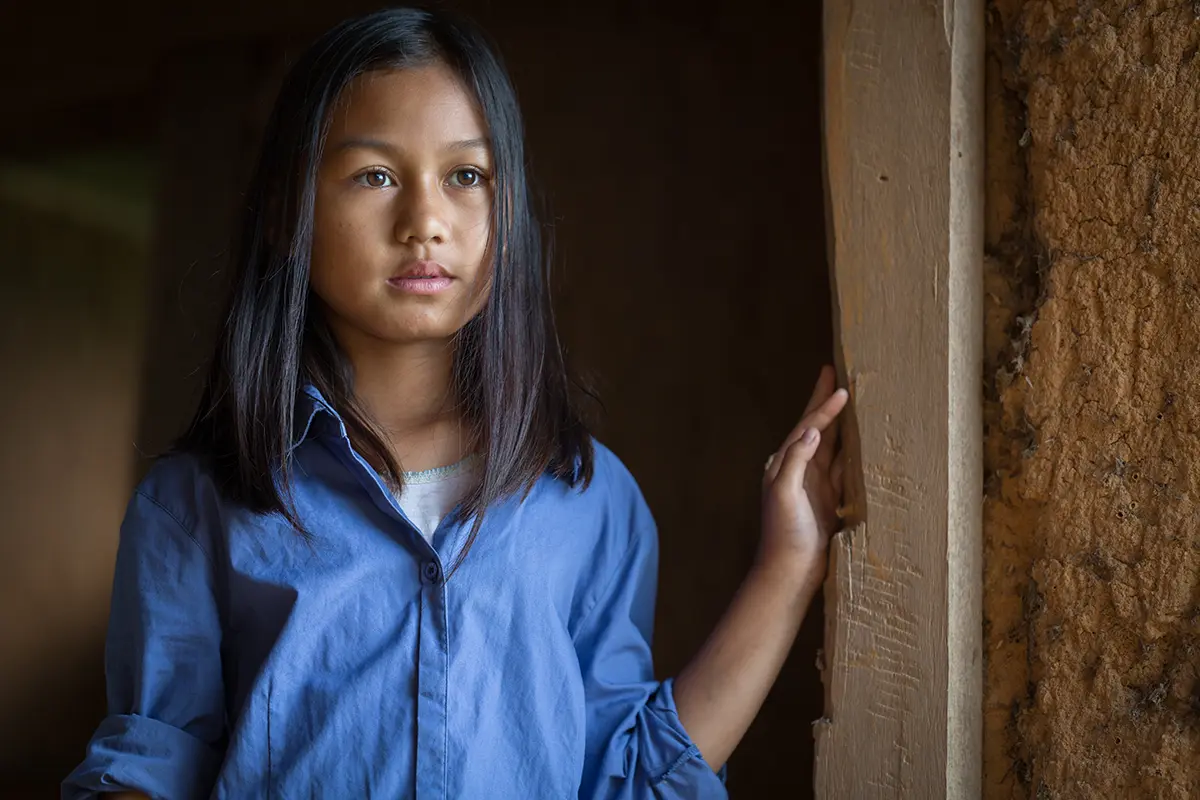
For most women in Cambodia’s sex industry, their work is not a choice but a consequence of limited alternatives. They face daily risks, including violence, unplanned pregnancy and exposure to sexually transmitted infections. Access to healthcare is often inadequate, leaving many women without the resources to address physical and mental health issues.
Cambodian societal attitudes toward sex work are also deeply stigmatising. Women in the industry are frequently ostracised by their communities, even if their earnings support their families. This stigma extends to their children, who often face abuse, neglect, bullying or exclusion due to their mother’s work. It is a difficult, dangerous and often miserable existence for women and their children.
a judgement-free future
Addressing the complexities of Cambodia’s sex industry requires a multi-pronged approach. Economic empowerment is key. Providing women with education, skills training and access to fair-paying jobs can reduce their reliance on sex work. Simultaneously, combating trafficking demands stronger law enforcement, judicial reforms and international cooperation to dismantle trafficking networks.
All of this requires money that the Cambodian government either does not have or is not currently willing to invest. Equally important is changing societal attitudes, both locally and internationally. Reducing stigma and promoting compassion toward sex workers can create an environment where women feel safe seeking support. Public awareness campaigns and community dialogue can play a crucial role in fostering understanding and empathy. Non-judgemental support is often the only way women feel empowered enough to ask for help to leave the industry.
As Christians, we’re called to show compassion, justice and love, especially towards the vulnerable and marginalised in society
The women of Cambodia’s sex industry are individuals with hopes, fears and families that they love. While their circumstances often reflect broader systemic failures, they also illuminate opportunities for change. By addressing the root causes of exploitation and supporting women’s empowerment, Cambodia can take meaningful steps toward a future where no woman is forced to choose between safety, dignity and survival.
Several NGOs and grassroots organisations are working tirelessly to support women in Cambodia’s sex industry. For example, Agape International Missions (AIM) provides vocational training, counselling and healthcare services to women seeking to leave the industry.
But while there are services and organisations that help the women, there is little to no help available for their children. That’s why Asian Aid, a Christian NGO in Australia, supports NightCare, a unique program that cares for the babies and toddlers born and growing up in Cambodia’s red-light districts.
NightCare is like daycare but at night. When the risk of abuse, neglect and exploitation is the highest, babies and toddlers of sex workers receive a safe place to sleep, a warm bath, a nutritious meal, age-appropriate lessons, clean clothes and most importantly—love and attention. NightCare helps to restore these little ones’ childhood and to break the cycle of trauma.
“As Christians, we’re called to show compassion, justice and love, especially towards the vulnerable and marginalised in society. Children whose mothers work in Cambodia’s sex industry face horrors no child ever should for no fault of their own,” says Joana Ryan, program manager at Asian Aid. “Supporting these children whether it is through advocacy, giving or direct care is a powerful way to restore these little ones’ childhood and to break the cycle of trauma. It’s a powerful way to show love, as Christians, to a broken world.”
To find out more about NightCare and help, visit www.asianaid.org.au/nightcare.