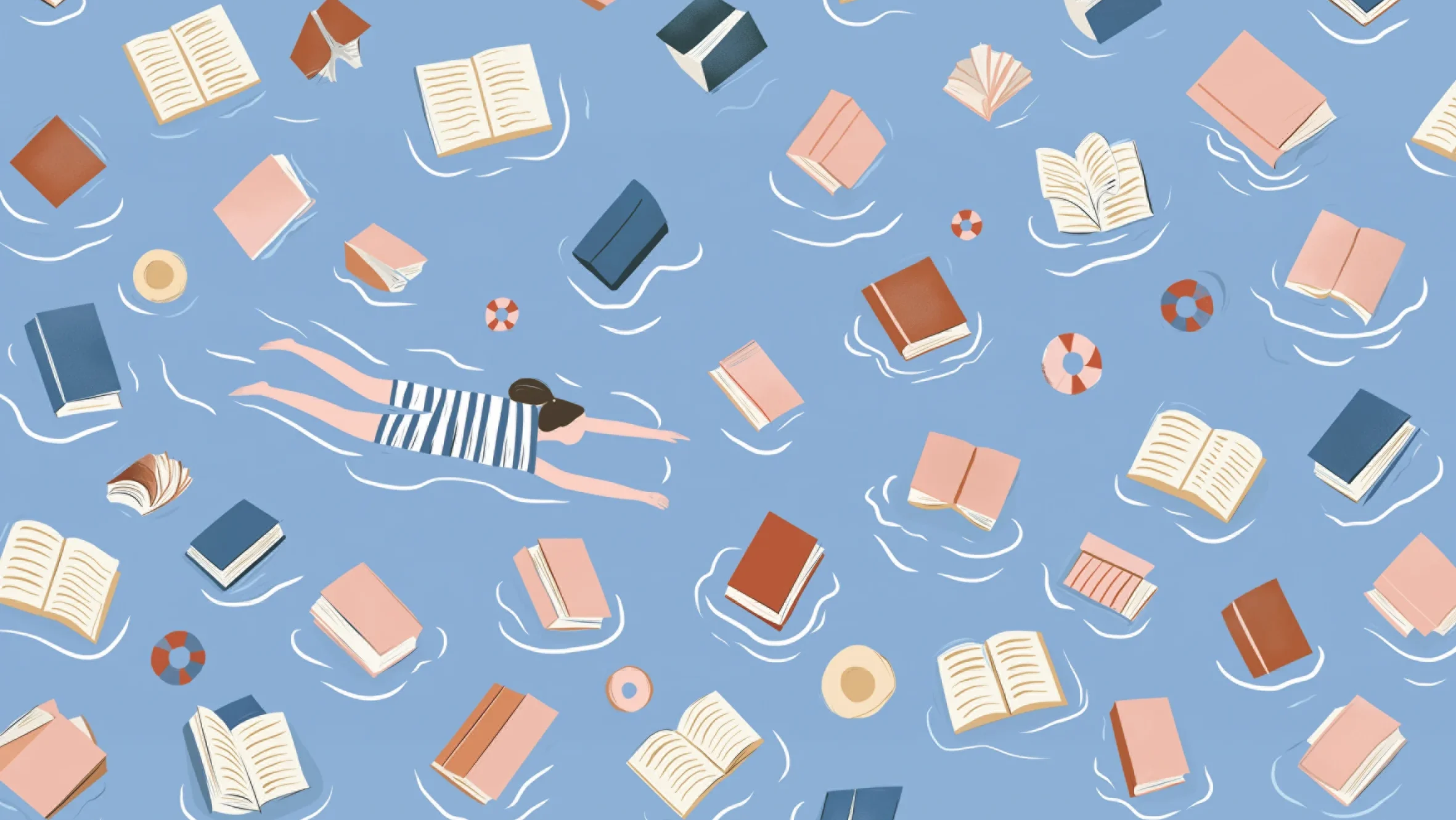
Every so often, a new headline laments the decline of reading: “Reading is dead.” “The end of reading is here.” “The lost art of reading.” Soon after, another announces its resurrection: “Gen Z are rediscovering books.” “Print is back.” “A bookstore boom.”
Both stories contain some truth. The Australian Household, Income and Labour Dynamics survey shows that reading has declined across every demographic since 2012. Anna Burkey, president of book industry initiative Australia Reads, says 29 per cent of Australian senior students did not read or listen to a book at all during one recent 12-month period. The trend extends beyond Australia. Recreational reading is at a 20-year low in the United States, while 40 per cent of Britons have not finished a book in the past year.
At the same time, books are having a moment. In 2025, US print sales were higher than a decade earlier. Barnes & Noble opened more than 60 new stores, nearly 400 independent bookstores emerged and BookTok transformed reading into a social-media phenomenon, helping new releases and long-forgotten titles reach bestseller lists.
This reveals a complicated reality. Leah Price, a historian of reading at Rutgers University, told The Atlantic that text is thriving among a shrinking proportion of the population. Just 20 per cent of American adults account for more than 80 per cent of all books read.
Yet we are hardly living in a world without words. We bounce between emails, texts, Instagram captions, news stories and search results offering instant answers to almost every question that enters our minds. In Reader, Come Home, cognitive neuroscientist Maryanne Wolf said, “The average person in the United States now reads daily the same number of words as is found in many a novel. Unfortunately, this form of reading is rarely continuous, sustained or concentrated; rather, the average 34 gigabytes consumed by most of us represent one spasmodic burst of activity after another.”
Perhaps, then, reading is not disappearing so much as changing. We increasingly encounter words in fragments, at speed and with the promise of an immediate answer. AI, short form feeds and instant summaries deliver information with minimal effort. But that convenience comes at a cost. Today, many of us struggle with writing that demands patience. We leap from an article’s introduction to its conclusion, reach for our phones between paragraphs of a novel and search for a poem’s meaning before sitting with it.
The shift is visible even in books. Sentences in bestsellers are now about a third shorter than they were a century ago. That may partly reflect changing literary tastes, but it also speaks to our appetite for writing that is faster and easier to digest.
But if we are still reading plenty of words, what exactly is the problem? What do we lose when we abandon books, poems and other forms of writing that ask us to slow down and think?
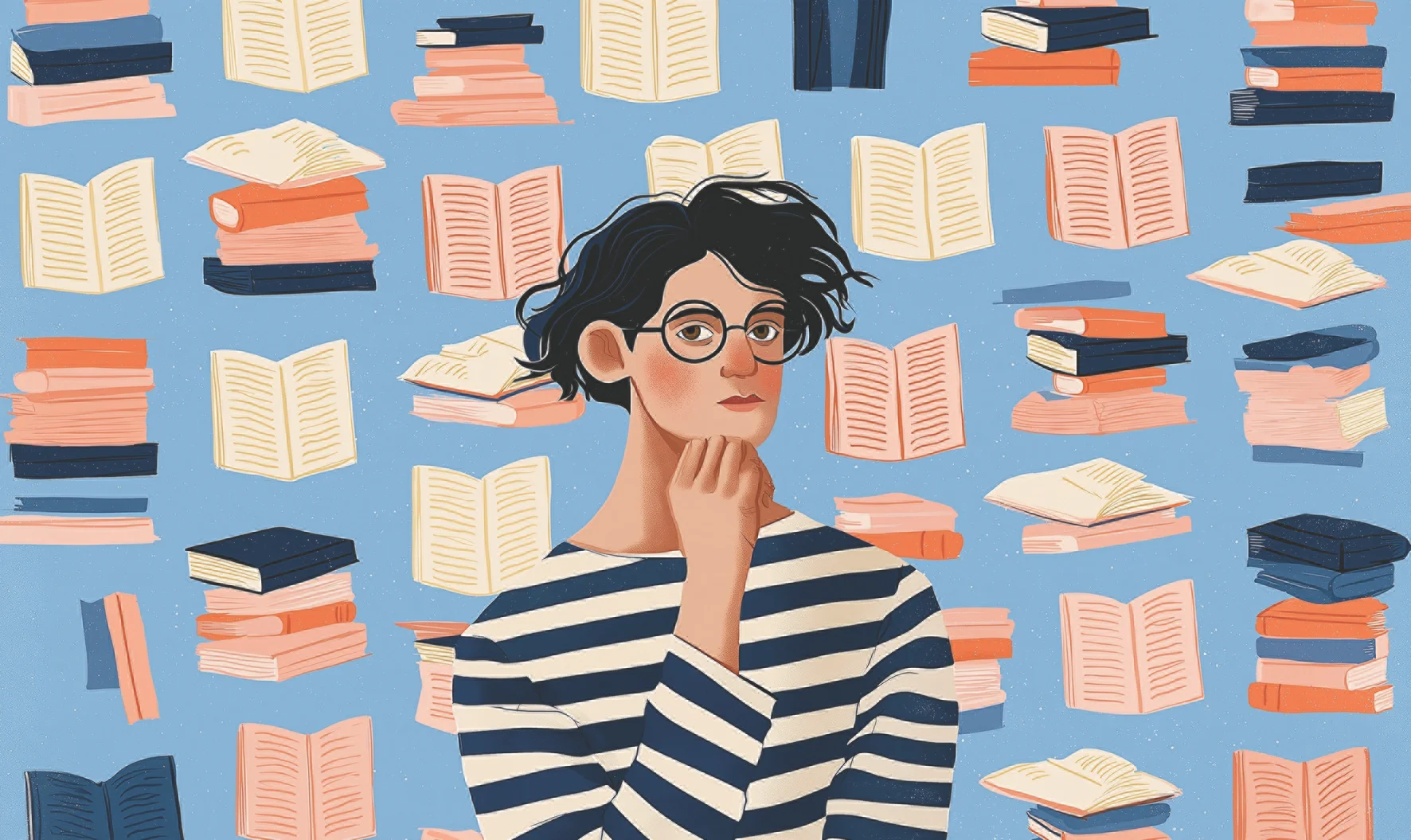
taking shortcuts
I began thinking about this recently when I returned to a book I’ve called one of my favourites for more than a decade. I first read John Steinbeck’s East of Eden soon after high school and it was the book that made me fall in love with reading as an adult. Years later, with many of its details lost to memory, I picked it up again.
This time, I found it harder to get through. Had I simply read more interesting books since? Or was I no longer able to focus as I once could?
One evening, I read a detailed description of a character, but an image did not quite take shape in my mind.
Eager to keep moving through the 600-page feat, I took a photo of the passage and asked AI to generate an image of the character for me.
Before anything could load, I stopped. This is insane, I thought.
Although I still consider myself an avid reader, I had almost outsourced one of the fundamental acts of reading—turning words into something imagined—all because I did not feel like pausing to read the passage again.
We put great effort into nurturing children’s imaginations. But aside from picturing fiction characters and telling my future children incredible bedtime stories, what do I need imagination for as an adult?
more than make-believe
As it turns out, quite a lot. Imagination helps us approach unfamiliar problems, anticipate consequences and picture possibilities beyond what already exists.
Imagination gave us the light bulb, powered flight and footprints on the moon. It helped abolitionists envision a world without slavery and civil rights leaders challenge segregation. It has also enriched life in quieter ways, turning bitter cacao seeds into sweet chocolate, pieces of wood into musical instruments and silkworm cocoons into royal robes and life-saving sutures.
Imagination also helps us understand lives different from our own and increases our capacity for empathy. Novelist Zadie Smith once wrote that when she was a girl she was constantly imagining what it would be like to grow up in her friends’ homes. She tried to imagine what it would be like to be Irish or Bengali, rich or poor, or to hold beliefs she did not share. This practice trained her to look beyond herself.
Reading does the same. When we become immersed in a book, we inhabit characters unlike us and come to understand why they think and act the way they do. We can never completely know another person’s experience, but imagination helps us consider it. Without that ability, it becomes easier to reduce people to stereotypes, dismiss their suffering or assume everyone sees the world as we do.
Reading isn’t the only way to exercise imagination, but it is particularly powerful. Unlike film, which supplies the faces, voices, landscapes and atmosphere, a book gives us words and leaves our minds to build the rest. In an experiment involving 239 adults, education researcher Dr Sebastian Suggate found that figuratively rich passages stimulated stronger mental imagery than videos, perhaps because readers must generate internally what viewers receive ready-made. When we read, we don’t simply receive a story, we become its co-creators.
thinking for ourselves
But reading asks us to do more than bring a story to life. It also asks us to think for ourselves, to test ideas and decide what to make of them. If imagination helps us picture what could be, critical thinking helps us judge what is true, what matters and what to do about it.
We rely on this ability every day—when making a major purchase, reading the news, navigating disagreement or deciding whose advice to trust. It prompts us to question our assumptions, consider consequences and ask where a claim came from, what may be missing and whether the reasoning holds. Without it, we become vulnerable to misinformation, manipulation, persuasion and easy answers to complex problems.
Our modern reading habits can work against this, encouraging us to skim for what we want rather than considering how each idea fits into a larger whole.
Deep reading offers a counterweight. A long text asks us to follow an argument across many pages, notice contradictions, draw inferences and make connections. The difficulty is part of its value. As writer Jay Caspian Kang observes, the “rockier mental terrain” of books can prod our thinking in ways that perfectly distilled information cannot. A summary may give us the conclusion without showing us how someone arrived there.
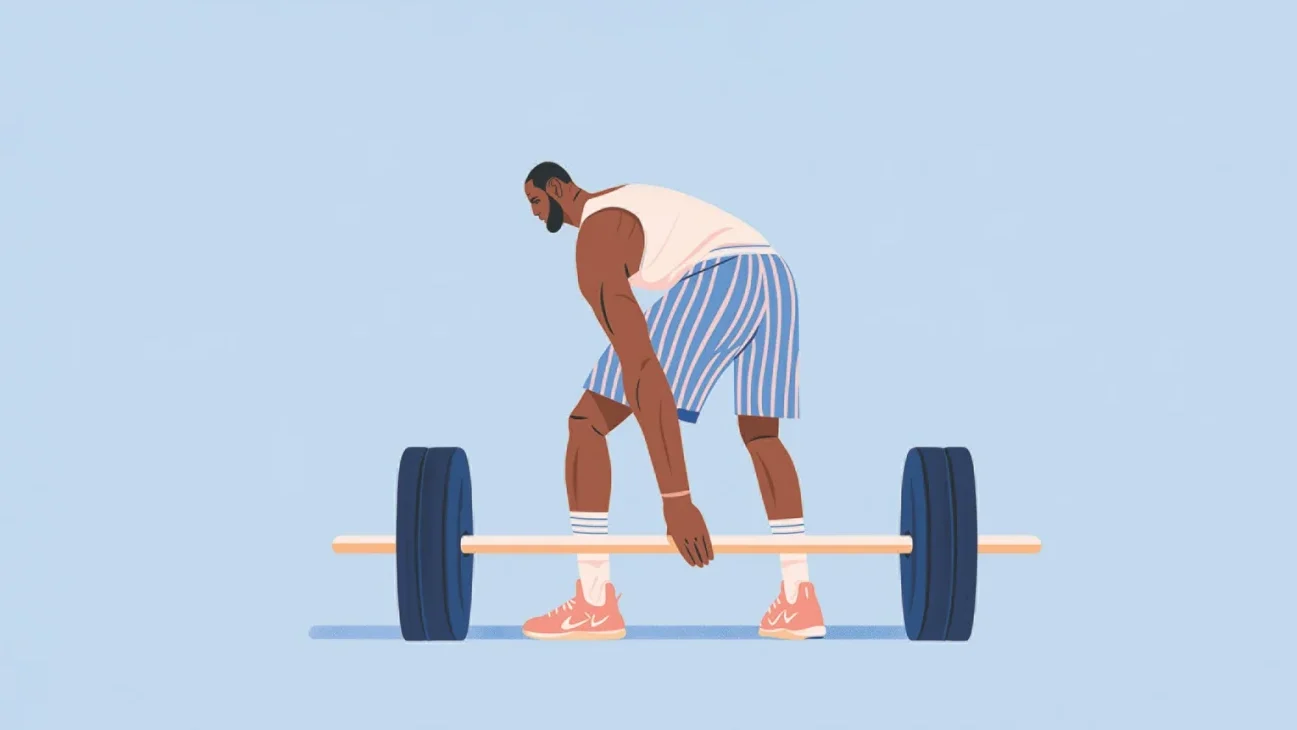
This becomes especially important as AI enters our daily lives. Used thoughtfully, it can be enormously helpful in summarising, researching and generating polished work within seconds. But when it replaces rather than supports our thinking, we may become more productive without becoming more capable. It is like LeBron James going to the gym and watching a machine lift his weights. The workout gets done, but he does not become stronger.
One study of 666 people in Britain found that frequent AI use for cognitive tasks was associated with weaker critical-thinking skills, partly because users offloaded more of their thinking. When we remove the struggle, we may also lose some of the learning.
The answer is not to reject technology or force ourselves through Homer’s Odyssey. Instead, Wolf argues, we need to develop a “biliterate brain”—one capable of navigating digital information wisely while retaining the ability to slow down, concentrate and read deeply.
use it or lose it
Like any abilities, imagination and critical thinking grow with use and weaken with neglect. Reading gives us regular practice in both. It asks us to stay with difficulty, inhabit other perspectives, connect ideas and reach conclusions of our own. That is why reading matters—not simply because it makes us more knowledgeable, but because it can make us more thoughtful, perceptive and open to the world beyond ourselves. When these capacities lie fallow, we become less able to understand one another, tolerate complexity or resist easy answers—and the effects spread beyond us to the society we share.
So make reading a habit. Carry a book with you. Read novels, poems, biographies, essays and ancient scriptures. Read things you agree with and things you don’t. Reread passages that go over your head. Grapple with ideas. Resist the urge to have everything explained. Ponder. Take notes.
Books are unlikely to disappear. The more important question is whether deep reading will—and what we might lose with it. Perhaps its future depends on small choices like the one I made while reading East of Eden: put down the phone, return to the page and try again.