
What does it mean to start over?
It’s a question that I’ve found myself preoccupied with recently. At the start of the year, I made a big change: I packed up my life and moved to Hong Kong for work. It wasn’t easy. Moving house can be a big enough challenge and the anxieties involved are only magnified when the move is on an international scale. Figuring out a place to stay, acclimatising to a new city, new people, new foods . . . it can be overwhelming. But even worse than getting accustomed to the new is the separation from the old. Family and friends are no longer a brief trip away, but separated by a day’s worth of travel. The physical distance is a very real barrier that is hard to overcome; even if family is just a phone call away, a phone call is not the same as a nice warm dinner cooked with love by your parents when you’re struggling.
Starting over isn’t easy.
Of course, just because it isn’t easy doesn’t mean it isn’t worth it. While I miss my family and friends dearly and am eager to meet up with them the next time I can, starting over has provided me with numerous benefits. A new job that promises to push my career in exciting new directions. New friends and colleagues whom I cherish alongside the old. New and exciting sights, smells, tastes, experiences—there’s plenty of reasons to feel like starting fresh is worth it.
Still, for all the pros, the stresses and downsides of a big change do remain. For many, the question of whether starting over is worth it is a difficult one without easy answers. The bigger the change, the more thought that is required. Changing your life is something rarely done on a whim. But it can absolutely be worth it.
the biggest change
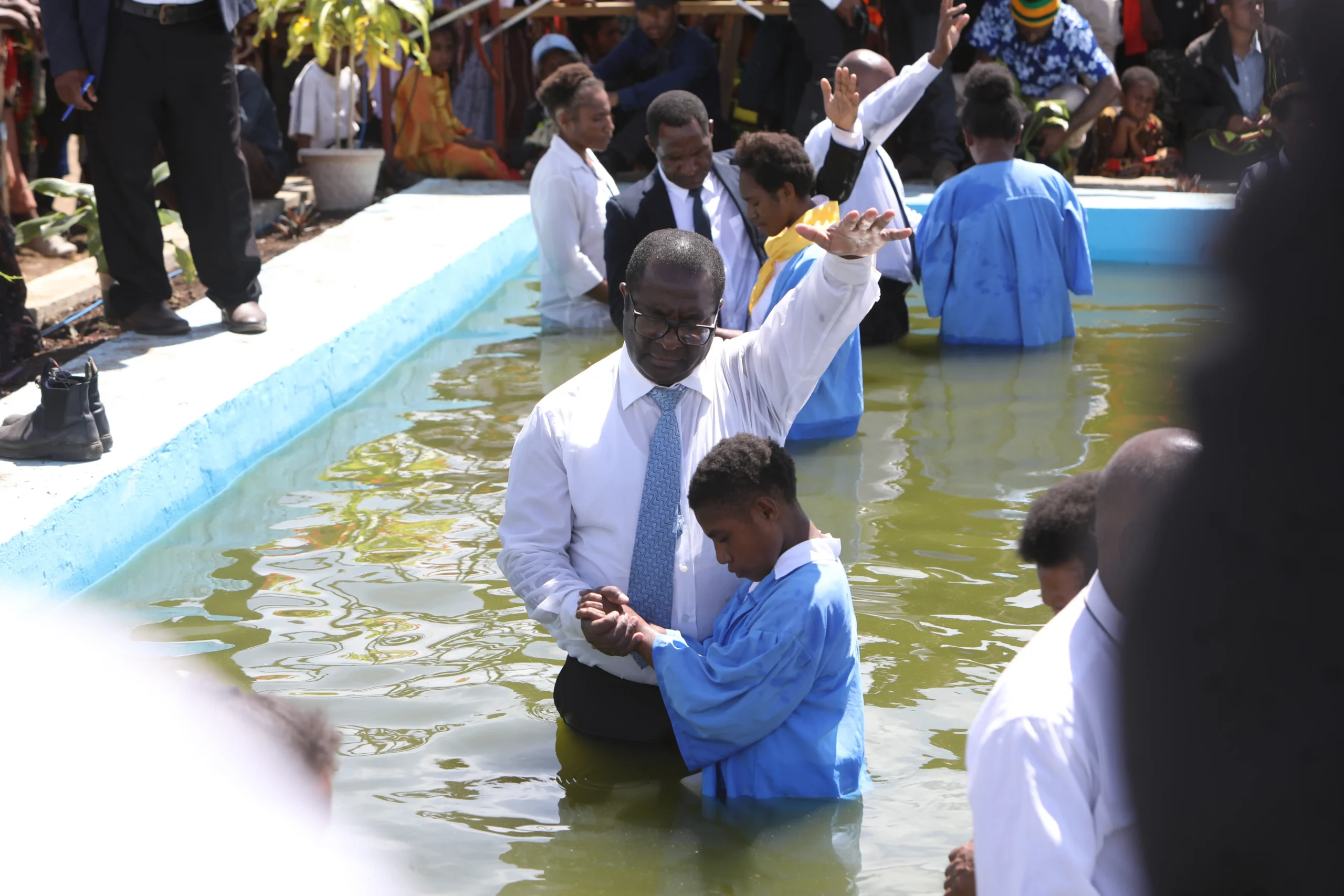
When it comes to Christianity, one of the biggest decisions a person can make is to choose to be baptised. Derived from the Greek word baptizó, meaning “ceremonial washing”, baptism is a Christian ceremony that represents a public profession of faith. If someone chooses to be baptised, they publicly declare their belief in the teachings of Jesus and dedicate their life to following His example. It represents a desire to start over—to live every day from then on not in the same fashion as they had previously, but instead in a way that reflects the faith they have dedicated themselves to.
On its surface, it seems simple enough. But for many, there are plenty of questions that remain. Why does it often involve water? What’s the difference between a christening and baptism? Why do people talk about baptism as a death? If you’re unfamiliar, the process can be confusing—and perhaps even seem a little bit silly. Such is often the nature of ritual and ceremony. But just because it may seem strange at a glance doesn’t mean there isn’t significance behind it.
why do baptisms use water?
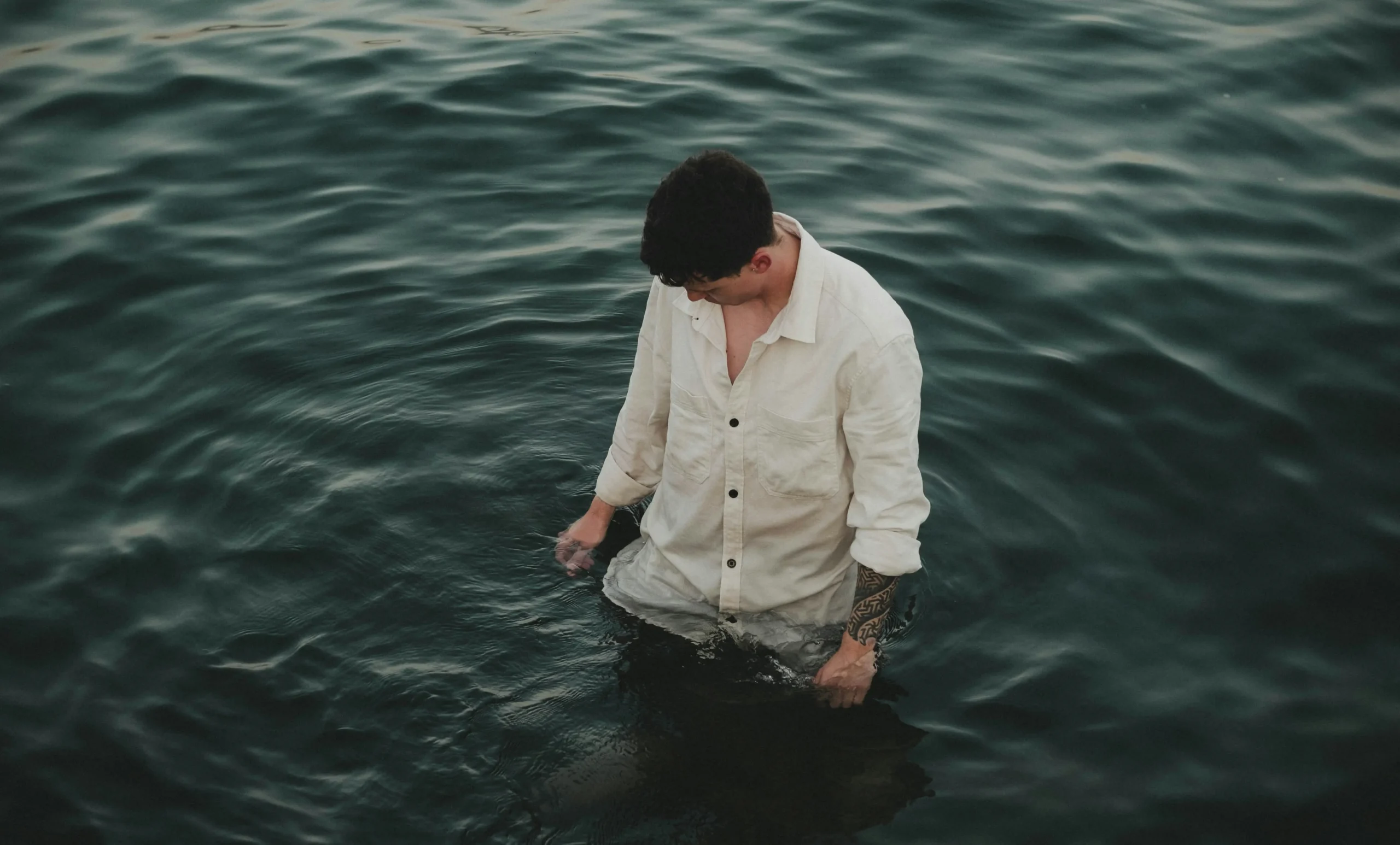
As mentioned previously, a baptism is a personal profession of an individual’s belief in the teachings of Jesus. At the core of these teachings is the belief that we as people are flawed beings who make mistakes which render us unclean in God’s eyes. The only way to cleanse ourselves is through belief in Jesus, accepting that He sacrificed Himself and took on the burden of our sin. Baptism is the ceremony through which we affirm this and, as a result, the water is symbolic of the cleansing that Jesus provides. To be baptised in water is to undergo a spiritual cleansing—much like immersion in water is the best way to undergo physical cleansing.
if it’s a choice, then why are babies baptised?
The baptism of babies is not a practice accepted by all churches. While it is a common practice for Catholics, many other churches believe that baptism can only occur when somebody chooses it for themselves. In this case, churches may still hold a dedication ceremony which resembles a baptism, but this is representative not of the baby’s baptism but rather the parents’ dedication to raise their baby in a way aligning with the teachings of Jesus—to help the child grow in “wisdom, knowledge, and favour with God and man” (Luke 2:52). This ceremony is often called a christening or a dedication.
why do people talk about death in relation to baptism?
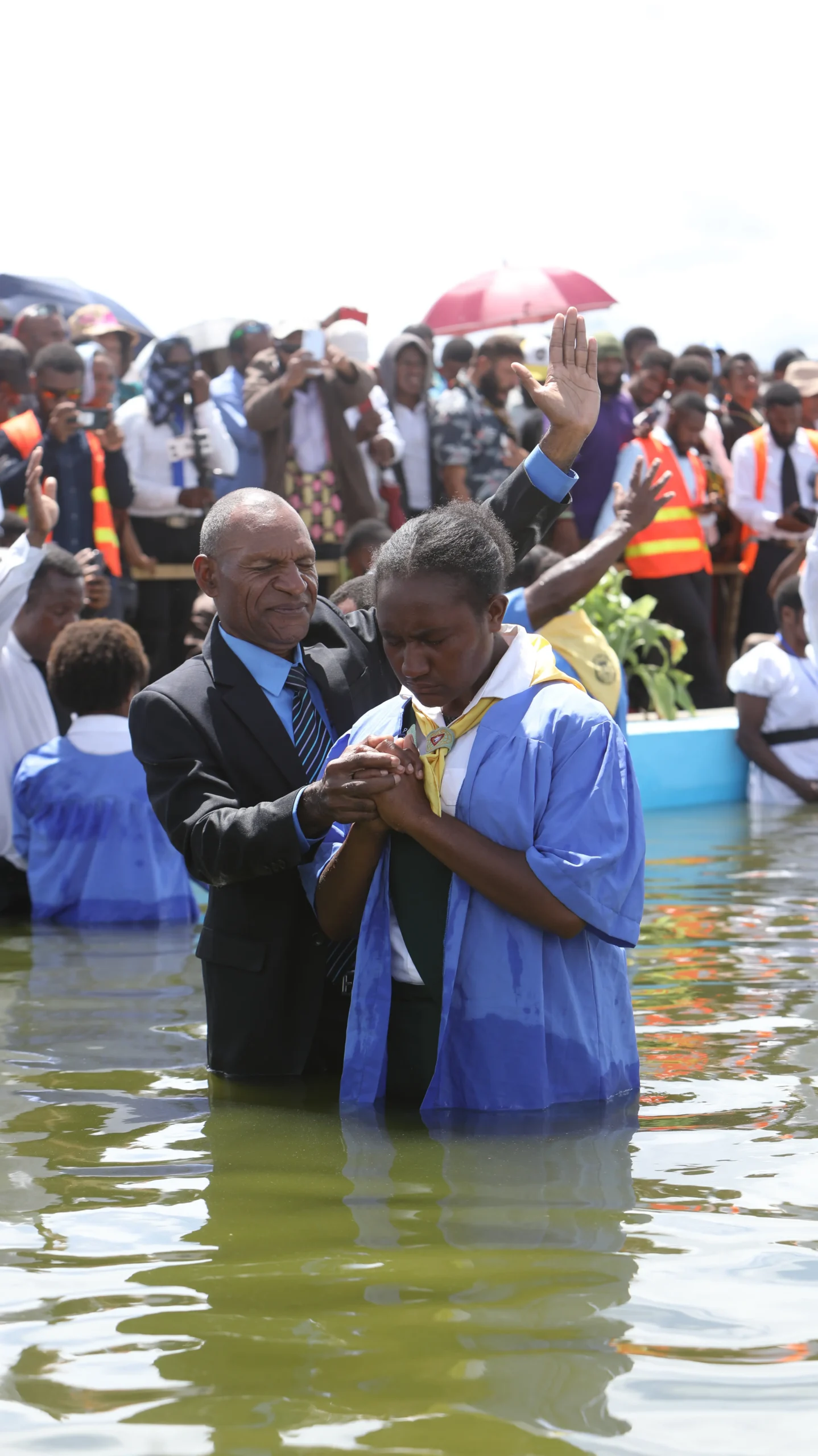
This is one of the more complicated aspects of baptism, but like the symbolism of the water, it comes down to the metaphors and meanings behind the ceremony. Belief in Jesus’ teachings requires a person to acknowledge that there is nothing they can do to wash themselves clean on their own. It is only through belief in Jesus and His sacrifice that one can be saved. At the same time, baptism is not a magical ritual with some metaphysical power to guarantee a place in heaven.
As a ceremony based around professing faith, it is expected that baptism is accompanied by a behavioural shift that reflects dedication to the beliefs of Jesus. To be baptised is not an “immunity from the consequences of sin” card. It is representative of a desire to be completely changed. In Luke 9:24, Jesus states that “whoever wants to save his life will lose it, but whoever loses his life for my sake will save it”. To be baptised is to put the teachings of Jesus before our own personal wants, desires and life. It is not a literal death, but a death of the ego, of the self and a rebirth as someone dedicated to the selfless teachings espoused by Jesus. Baptism is spoken about as a death not because it’s an end but because it is a beginning—a chance to start over.
Of course, this doesn’t mean you’ll be perfect. Like everybody else, people who have been baptised still sin and make mistakes. Just as I continue to keep in touch with my old friends and family when starting over in a new country, living by Jesus’ example does not immediately make me a perfect person. What it does do, however, is give me a goal: to take every opportunity I can by helping my neighbour, treating others as I’d want to be treated and acknowledging that I cannot save myself from my problems alone.
That is what lies at the core of baptism. And that is why so many people take the plunge—both metaphorically and literally—to start their life over with Jesus.