
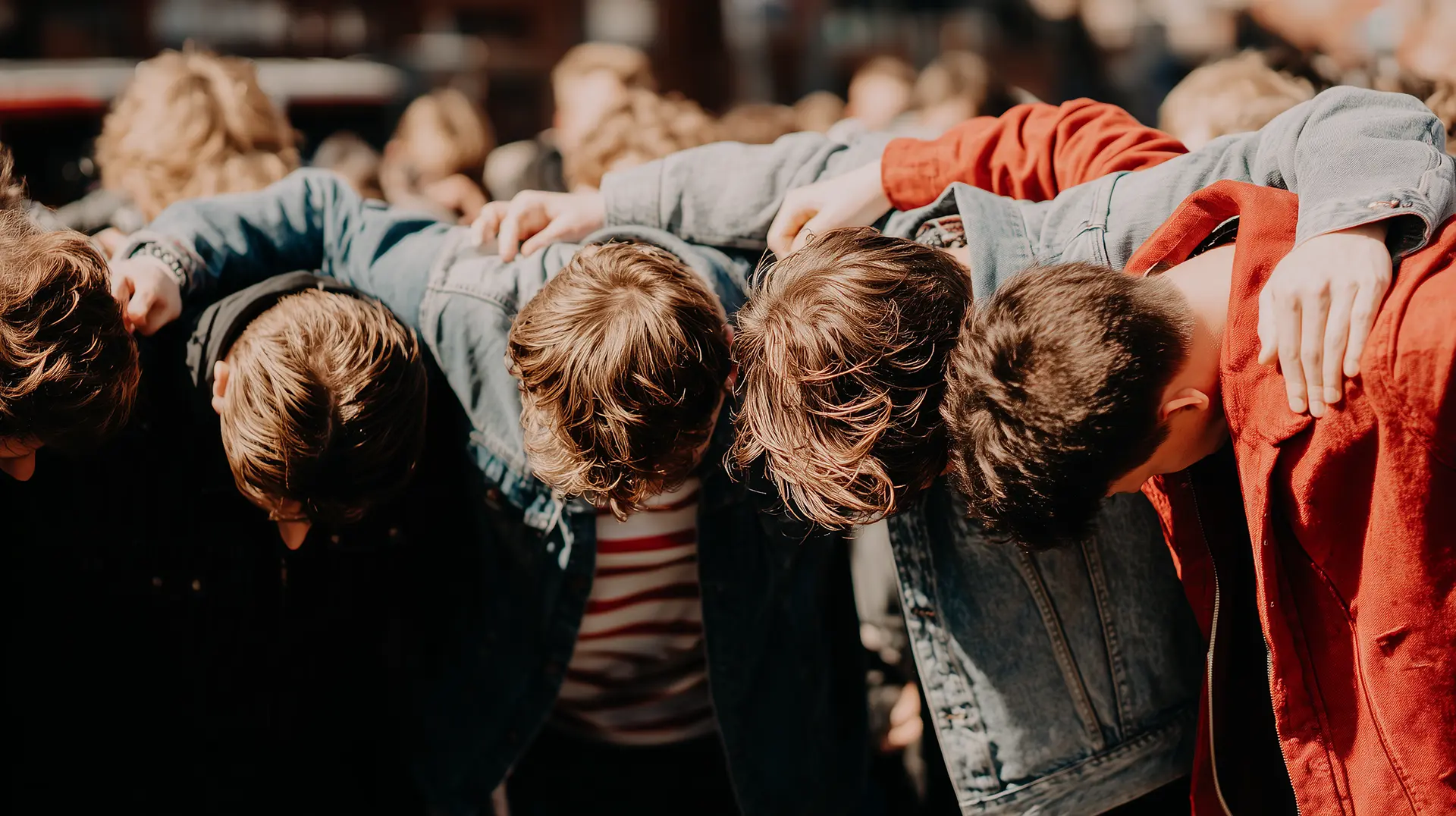
One of the most remarkable revolutions of the 20th century began with a prayer meeting. In 1982, the Nikolaikirche—St Nicholas Church—in the centre of the East German city of Leipzig began hosting “Prayers for Peace” every Monday evening. “Intercessions were offered both for a peaceful end to the Cold War and universal respect for human rights.” Attendance was small for the first few years—usually no more than 10 or 12—and those who attended were monitored and occasionally harassed by the Stasi, the infamous East German secret police.
Those who prayed were part of a movement of small activist groups across East Germany committed to peace, justice, human rights and environmental causes. By 1989, there were about 200 such groups active across East Germany, and although many of them were small—only 10-to-20 members—they were connected to many inactive and silent supporters.
Small as the weekly gathering in Leipzig was, this unlikely group was the church in that time and place. Jesus commanded His followers to be “the light of the world—like a city on a hilltop that cannot be hidden” (Matthew 5:14). The real church was not the large and impressive building in the centre of Leipzig, but this handful of weekly pray-ers, who continued to meet together against the odds, inconveniences and risks. While they seemed unlikely to change the course of history, their faithfulness week after week for more than six years is a remarkable reminder of why we should not dismiss the value of small things, small groups and small actions. As Jesus went on to point out, even a single flame “gives light to everyone in the house” (Matthew 5:15).
However, against the backdrop of reforms in the Soviet Union and growing democracy movements in Poland and Hungary, the regular attendance at St Nicholas’ Monday night prayer meetings “suddenly” grew to hundreds in early 1989. By September that year, numbers at the Monday evening prayer meeting had reached more than 1200 each week.
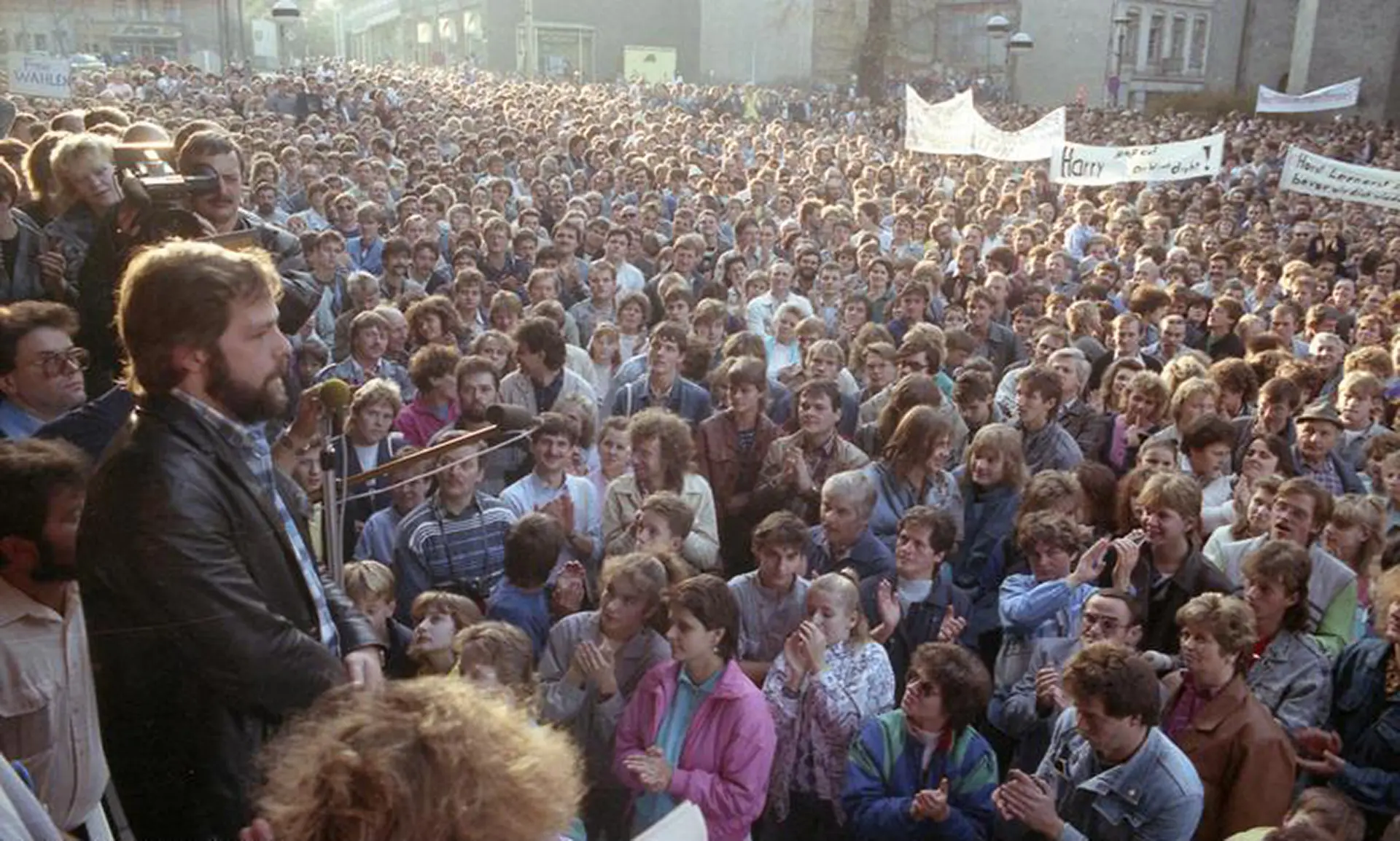
Despite police crackdowns and arrests, similar gatherings began in other churches around the city, after which attendees began to spill out into the city streets and march by candlelight. Growing protest events also took place in other cities, including Dresden, East Berlin and Magdeburg, and grew exponentially week by week.
On October 9, the protests centred around the “Prayers for Peace” at St Nicholas Church grew to 70,000 people. Thousands of police and troops were ordered into Leipzig to confront the protests. However, three community and church leaders met with three local Communist party leaders and negotiated a tense peace, even as the people took to the streets. The protests continued to grow in Leipzig and beyond.
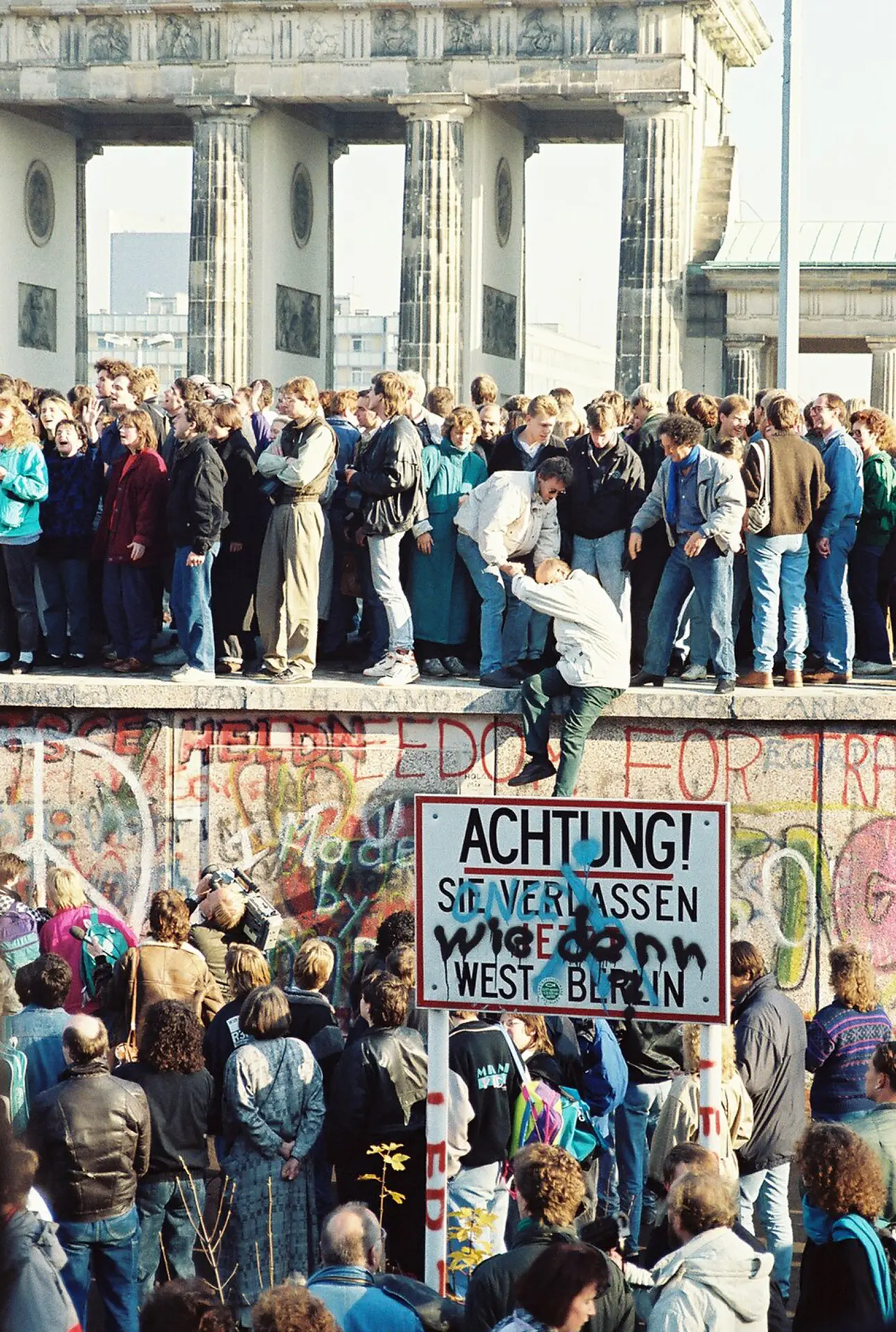
The Leipzig prayer meeting protest grew to 150,000 on October 16 and an estimated 300,000 the following two Monday nights. A crowd of half a million people marched in East Berlin on November 4. On November 8, the East German government resigned with the notorious Berlin Wall coming down the next night after checkpoints into West Berlin were opened.
Among the things that most caught my imagination when reading about the Candlelight Revolution in East Germany in 1989 were the old photos of tens of thousands of people carrying candles and quietly marching through the otherwise dark streets of Leipzig. Not only were these beautiful and powerful images, but the candles in the darkness were both symbols of hope and a practical demonstration of their nonviolent intent.
They literally were a light in the darkness, but a person carrying a candle along a dark street is also an easy target. However, the candles also made it obvious that the protesters were unarmed. “To hold a candle, you need both hands—one to hold the candle, and the other to keep it from being blown out,” a protester explained. “You can’t hold a rock in your other hand.”1
To hold a candle, you need both hands.
Against the backdrop of revolution in neighbouring nations and the fresh memories of the Tiananmen Square massacre in China a few months earlier, the people of Leipzig, East Germany and the world held their collective breath with a sense of foreboding on the night of October 9. But various reporters and commentators pointed to the years of prayer meetings that had led to that moment as playing a key role in shaping the nature of those protests: “Through its Prayers for Peace, its guidance, its theology and its teaching, [the church] managed to imbue the whole protest movement with a deeply rooted ethic of nonviolence that was made the condition for every action taken.”2
While the members of the original small prayer group might have been lost sight of amid these suddenly much larger crowds, their presence remained. This fits with another metaphor that Jesus gave to His followers about their role in the world. “You are the salt of the earth,” He told the small group of His first disciples (Matthew 5:13). While not always leading or even visible, their presence in the world was to change the flavour, perhaps also enhancing and preserving the best in their times and places.
After the events of 1989, then-pastor Christian Führer continued to lead “Prayers for Peace” at St Nicholas Church in Leipzig each Monday evening until his retirement in 2009. The crowds of activists and protesters had come and gone; likewise, history had been made and remade. The church had become the site of anniversaries and memorials of the events of the “Candlelight Revolution”, but the presence and work of prayer was not yet finished. In this way, the again-small group of pray-ers—this church—were continuing to live out Jesus’ instructions to His followers to be salt and light in their city, nation and world. This church was one of the ways in which the reality and nature of God was made visible in that time and place. As Jesus said, “In the same way, let your good deeds shine out for all to see, so that everyone will praise your heavenly Father” (Matthew 5:16).
Not only were the requests of these faithful and patient pray-ers answered in the revolution sparked by their gathering but together—and then with more who joined them—the pray-ers became people of courage, nonviolence and justice, the kind of people who would both pray and act for peace and freedom. This was a key outcome of their meeting and praying together.
As a leader in the first-century Christian church would urge his fellow believers, “Let us hold tightly without wavering to the hope we affirm, for God can be trusted to keep his promise. Let us think of ways to motivate one another to acts of love and good works. And let us not neglect our meeting together, as some people do, but encourage one another, especially now that the day of his return is drawing near” (Hebrews 10:23–25).3
- Andrew Curry, “Before the Fall”. The Wilson Quarterly, 2009. ↩︎
- Wendy R Tyndale, Protestants in Communist East Germany: In the Storm of the World. Ashgate Publishing, 2010. ↩︎
- Bible quotations are taken from the Holy Bible, New Living Translation, copyright © 1996, 2004. Used by permission of Tyndale House Publishers, Inc., Wheaton, Illinois 60189. All rights reserved. ↩︎