


Food is far more than fuel for survival — it is culture, identity, community and joy. Many of us relate to sayings like “life is uncertain, eat dessert first” or “a party without cake is just a meeting”. Food brings comfort and celebration to life’s milestones, from New Year’s gatherings to weddings and family events. Yet, food also plays a profound role in health.
As Hippocrates said, “Let food be thy medicine”. What we eat fuels our body and mind, supporting energy, cognitive function, mental wellbeing and resilience. Healthy food choices nourish the brain, improve mood, boost energy, protect against free radicals and help build a strong body and clear mind. In contrast, highly processed, sugary diets can contribute to anxiety, depression and poorer performance at work and in life.
Health, of course, is holistic — movement, sleep, sunlight, hydration, stress management and purpose all matter. But food is foundational, and research continues to reveal strong links between nutrition, gut health and conditions like depression, heart disease and diabetes.
With food more accessible than ever through services like Uber Eats, this is a reminder to choose meals that help your body thrive. Here are five foods to try for 2026: nuts, cruciferous vegetables, legumes, berries, and wakame seaweed—nourishing you from the inside out.
nuts
I absolutely love nuts. In fact, I put this first as a tribute to my late father who introduced me to my love of nuts—whether it be walnuts, almonds, pistachios, cashews or Brazil nuts. Nuts are rich in protein and dietary fibre, feed beneficial gut microbes and support digestive health. For gut health, nuts provide non-digestible components that act as substrates for microbial fermentation, which means they are great prebiotics.1,2
For cardiovascular benefits, regular nut consumption is linked to lower LDL (“bad”) cholesterol, reduced inflammation and a decreased risk of cardiovascular disease3. Despite being energy-dense, studies show that nut intake (such as almond) is not associated with weight gain but help promote satiety, with parts of their fat content less fully absorbed, supporting abdominal fat-loss and healthier body composition.4,5 Interestingly, pistachios contain natural melatonin and other compounds (tryptophan, B6, magnesium) which may help regulate the sleep-wake cycle.6 Thus, including pistachios as an evening snack or in a “pre-sleep” lineup may support a more restful night—bearing in mind portion control (since they are calorie-dense).

Because nuts supply a synergy of healthy fats, fibre, plant-protein, micronutrients (like magnesium, vitamin E) and bioactive compounds (polyphenols), they deliver broad nutritional benefits: gut-microbiome support, cardiovascular protection, improved fullness and metabolic resilience.7
cruciferous vegetables
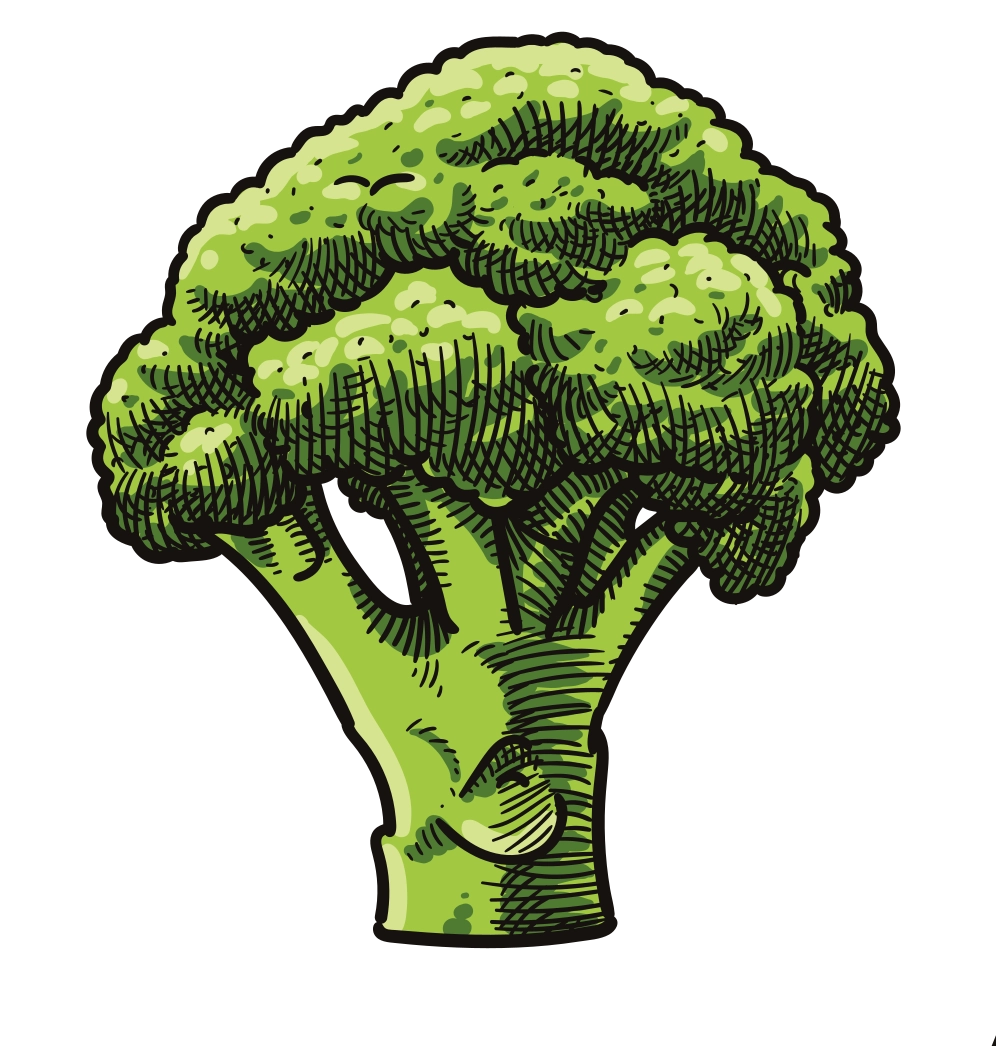
Remembering what my mum used to say to eat my broccoli, I learned and have appreciated cruciferous vegetables as a nutritional powerhouse. The contenders are broccoli, cauliflower, cabbage, rocket, turnip, kale, bok choy and good old brussels sprouts that kids sometimes throw into the bin. Their high dietary fibre content supports gut health by promoting regular bowel transit and feeding beneficial gut microbes. For instance, fibre from these vegetables is a key component in microbiome diversity and short-chain fatty-acid production.

Emerging research highlights that their unique bioactive compounds—especially glucosinolates and their metabolites (isothiocyanates)—are converted by gut microbiota and help regulate gut-microbe interactions and intestinal health.8,9 On heart health, observational studies link higher intake of cruciferous vegetables to reduced cardiovascular risk and improved markers of vascular (circulatory) function, reducing risks in hardening and blockage of the arteries.10
Amazingly, cruciferous vegetables are rich in glucosinolates which, on breakdown, yield compounds that help detoxify carcinogens, reduce inflammation and protect DNA from damage — several human reviews support a protective effect.11 Broccoli specifically has the highest content of the cancer-fighting compound sulforaphane, which has been linked to reduced risks of prostate, breast, colon and oral cancers.12 Broccoli sprout, which are the young broccoli plants have an even higher sulforaphane level.13 This makes this curly vegetable one to add to your grocery list.
legumes
Legumes are amazing: they are rich in fibre, plant protein, iron and bioactive compounds that support gut, heart and metabolic health. Their non-digestible carbohydrates—including resistant starch—act as prebiotics that feed beneficial gut bacteria and promote short-chain-fatty-acid production, essential for colon health.14

Regular legume consumption is associated with lower cardiovascular risk, improved cholesterol, healthier blood pressure and reduced inflammation. Legumes also serve as an excellent source of plant-based iron, especially relevant for women of reproductive age who have increased requirements.15 Iron from legumes (non-heme iron) is less bioavailable but absorption improves significantly when paired with vitamin C-rich foods. A stand out plant-protein, soy bean—that includes tofu, edamame, tempeh—provides all nine essential amino acids, making it a complete protein, with studies showing benefits for heart health and metabolic outcomes.16

Growing up in Indonesia, this has been a staple for both meat eaters and vegetarians. Additionally, yellow pea protein, that has beneficial effects on blood pressure and lipid markers17 have often been made into vegan protein powders (eliminating the starch and fibre) for fewer carbohydrates, ideal for muscle building exercise.
berries
Berries are not to be missed in any year as they are packed with fibre, polyphenols and vibrant antioxidants that deliver powerful benefits for gut, heart and cancer-prevention health. As much as I can they are part of my daily selection. Their high fibre content supports digestive health and nurtures the gut microbiome, helping to regulate gut transit and microbial diversity.18
The deep-coloured pigments in berries (e.g., anthocyanins) function as antioxidants that neutralise free radicals — thus protecting DNA, lipids and proteins from oxidative damage linked to cardiovascular disease and cancer.19 Blueberries stand out for exceptionally high anthocyanin concentration and cognitive and vascular benefits, improved endothelial function and reduced oxidative stress.20,21 Raspberries are notable for their very high fibre content (about 8 g per cup) and ellagic acid—a polyphenol associated with anti-cancer effects.22 Add berries routinely (fresh/frozen) to your breakfast or dessert dish to enhance fibre, bolster antioxidant defences and support wellness.
mushrooms
When you think of fungus on food, it’s hardly appetising—but mushrooms are the delicious exception. Often called the “vegetarian’s meat”, mushrooms supply complete protein, B-vitamins, selenium, copper, potassium and fibre. They add a meaty, savoury, umami flavour to any dish—similar to meats, fish or aged cheese. Beyond flavour, mushrooms such as portobello, shiitake, oyster, enoki and even humble button varieties offer impressive health benefits.23 They contain beta-glucans, prebiotic fibres that support gut microbes, improve cholesterol and blood-pressure control, and may protect against cancer.23 The stems are especially rich in beta-glucans—so keep them!24

Choose whole mushrooms when possible, as pre-sliced ones lose some vitamin C and B vitamins. Mushrooms are also one of the few plant-based sources of vitamin D—sunlight or UV exposure transforms ergosterol into vitamin D2, allowing a small serve to meet daily needs25.
Trending adaptogenic mushrooms such as lion’s mane, reishi and cordyceps are promoted for stress resilience. Lion’s mane can be eaten as food; reishi and cordyceps are typically taken as teas or extracts. Early human studies show potential cognitive benefits but evidence remains limited, so they’re best used as medicinal supplements under professional guidance.26,27
wakame seaweed
Though some may cringe at the thought of wakame seaweed, they stand out as marine vegetable super-food offering dietary fibre, bioactive compounds and plant-based omega-3 fatty acids (including EPA/DHA precursors), making it beneficial for gut, heart and cancer-protection health and depression.28 Other well-known plant sources of omega-3 are flax seeds, chia seeds, walnuts, and hemp seeds, which are rich in alpha-linolenic acid (ALA).
Interestingly, wakame is better than flax seeds for active omega-3s because it contains both ALA and the EPA and DHA forms, while flax seeds only provide the ALA form. The body must convert ALA into EPA and DHA, and this conversion is often inefficient, making wakame a plus. You can also source out Algae oil from health stores for access to both EPA and DHA forms of omega 3 fatty acids.
Fish are rich in omega 3s because of consuming seaweed and algaes. These seaweed also serve as prebiotics, feeding beneficial gut microbes and supporting microbiome diversity and bowel regularity.29 Its omega-3 content contributes to heart health—studies show seaweed species can supply long-chain PUFAs that support lipid profiles and vascular function.30 Next time you’re at a Japanese restaurant, or at an Asian supermarket, source out some seaweed for your omega-3 fatty acids.
As you explore new food habits, remember to check in with a trusted healthcare professional or dietitian to ensure these changes are right for you and your health needs.
1. Mandalari G, Gervasi T, Rosenberg DW, Lapsley KG, Baer DJ. Effect of Nuts on Gastrointestinal Health. Nutrients. 2023 Apr 1;15(7). doi:10.3390/nu15071733
2. Nuts for Life. Nuts and Gut Health. Nuts for Life: Nuts for Life; 2025. [cited 2025 November]. Available from: https://www.nutsforlife.com.au/resource/nuts-and-gut-health-2/?utm_source=chatgpt.com.
3. Glenn AJ, Aune D, Freisling H, Mohammadifard N, Kendall CWC, Salas-Salvadó J, et al. Nuts and Cardiovascular Disease Outcomes: A Review of the Evidence and Future Directions. Nutrients. 2023 Feb 11;15(4). doi:10.3390/nu15040911
4. Dhillon J, Tan SY, Mattes RD. Almond Consumption during Energy Restriction Lowers Truncal Fat and Blood Pressure in Compliant Overweight or Obese Adults. J Nutr. 2016 Dec;146(12):2513-9. doi:10.3945/jn.116.238444
5. Better Health Channel. Nuts and seeds. Better Health Channel: Victoria State Government. [cited 2025 November ]. Available from: https://www.betterhealth.vic.gov.au/health/healthyliving/nuts-and-seeds?utm_source=chatgpt.com.
6. Lisa Wartenberg and Rachael Ajmera. Do Pistachios Really Contain Melatonin? Nutrition [Internet]. 2021. [cited November 2025]. Available from: https://www.healthline.com/nutrition/pistachios-melatonin?utm_source=chatgpt.com#bottom-line.
7. Singar S, Kadyan S, Patoine C, Park G, Arjmandi B, Nagpal R. The Effects of Almond Consumption on Cardiovascular Health and Gut Microbiome: A Comprehensive Review. Nutrients. 2024;16(12):1964.
8. Hindson J. Brassica vegetable metabolism by gut microbiota. Nature Reviews Gastroenterology & Hepatology. 2020 2020/04/01;17(4):195-. doi:10.1038/s41575-020-0287-7
9. Connolly EL, Sim M, Travica N, Marx W, Beasy G, Lynch GS, et al. Glucosinolates From Cruciferous Vegetables and Their Potential Role in Chronic Disease: Investigating the Preclinical and Clinical Evidence. Frontiers in Pharmacology. 2021 2021-October-26;Volume 12 – 2021. doi:10.3389/fphar.2021.767975
10. Blekkenhorst LC, Bondonno CP, Lewis JR, Woodman RJ, Devine A, Bondonno NP, et al. Cruciferous and Total Vegetable Intakes Are Inversely Associated With Subclinical Atherosclerosis in Older Adult Women. Journal of the American Heart Association. 2018;7(8):e008391. doi:doi:10.1161/JAHA.117.008391
11. Zhao A, Jeffery EH, Miller MJ. Is Bitterness Only a Taste? The Expanding Area of Health Benefits of Brassica Vegetables and Potential for Bitter Taste Receptors to Support Health Benefits. Nutrients. 2022 Mar 30;14(7). doi:10.3390/nu14071434
12. Baladia E, Moñino M, Pleguezuelos E, Russolillo G, Garnacho-Castaño MV. Broccoli Consumption and Risk of Cancer: An Updated Systematic Review and Meta-Analysis of Observational Studies. Nutrients. 2024 May 23;16(11). doi:10.3390/nu16111583
13. Tříska J, Balík J, Houška M, Novotná P, Magner M, Vrchotová N, et al. Factors Influencing Sulforaphane Content in Broccoli Sprouts and Subsequent Sulforaphane Extraction. Foods. 2021 Aug 19;10(8). doi:10.3390/foods10081927
14. Lisciani S, Marconi S, Le Donne C, Camilli E, Aguzzi A, Gabrielli P, et al. Legumes and common beans in sustainable diets: nutritional quality, environmental benefits, spread and use in food preparations. Frontiers in Nutrition. 2024 2024-May-06;Volume 11 – 2024. doi:10.3389/fnut.2024.1385232
15. Alina Petre. Vegetarian Foods That Are Loaded with Iron2025. [cited November, 2025]. Available from: https://www.healthline.com/nutrition/iron-rich-plant-foods.
16. Cleveland Clinic. 5 Reasons To Eat More Tofu2023. [cited November 2025]. Available from: https://health.clevelandclinic.org/tofu-benefits?utm_source=chatgpt.com.
17. Marinangeli CPF, Harding SV, Zafron M, Rideout TC. A systematic review of the effect of dietary pulses on microbial populations inhabiting the human gut. Benef Microbes. 2020 Sep 1;11(5):457-68. doi:10.3920/bm2020.0028
18. Xu M, Xu Y, Wu L, Niu H, Gao B, Sun K, et al. Berries: Health Effects via Modulation of the Gut Microbiota. Food Frontiers. 2025.
19. Stull AJ, Cassidy A, Djousse L, Johnson SA, Krikorian R, Lampe JW, et al. The state of the science on the health benefits of blueberries: a perspective. Frontiers in Nutrition. 2024 2024-June-11;Volume 11 – 2024. doi:10.3389/fnut.2024.1415737
20. Wood E, Hein S, Mesnage R, Fernandes F, Abhayaratne N, Xu Y, et al. Wild blueberry (poly)phenols can improve vascular function and cognitive performance in healthy older individuals: a double-blind randomized controlled trial. Am J Clin Nutr. 2023 Jun;117(6):1306-19. doi:10.1016/j.ajcnut.2023.03.017
21. Woolf EK, Terwoord JD, Litwin NS, Vazquez AR, Lee SY, Ghanem N, et al. Daily blueberry consumption for 12 weeks improves endothelial function in postmenopausal women with above-normal blood pressure through reductions in oxidative stress: a randomized controlled trial. Food & Function. 2023;14(6):2621-41. doi:10.1039/D3FO00157A
22. Azzini E, Barnaba L, Mattera M, Calina D, Sharifi-Rad J, Cho WC. Updated evidence on raspberries as functional foods: Anticancer bioactivity and therapeutic implications. Food Frontiers. 2024;5(6):2351-82. doi:https://doi.org/10.1002/fft2.461
23. Singh A, Saini RK, Kumar A, Chawla P, Kaushik R. Mushrooms as Nutritional Powerhouses: A Review of Their Bioactive Compounds, Health Benefits, and Value-Added Products. Foods. 2025;14(5):741.
24. Vetter J. The Mushroom Glucans: Molecules of High Biological and Medicinal Importance. Foods. 2023;12(5):1009.
25. Starck C, Cassettari T, Wright J, Petocz P, Beckett E, Fayet-Moore F. Mushrooms: a food-based solution to vitamin D deficiency to include in dietary guidelines. Front Nutr. 2024;11:1384273. doi:10.3389/fnut.2024.1384273
26. Docherty S, Doughty FL, Smith EF. The Acute and Chronic Effects of Lion’s Mane Mushroom Supplementation on Cognitive Function, Stress and Mood in Young Adults: A Double-Blind, Parallel Groups, Pilot Study. Nutrients. 2023 Nov 20;15(22). doi:10.3390/nu15224842
27. Surendran G, Saye J, Binti Mohd Jalil S, Spreadborough J, Duong K, Shatwan IM, et al. Acute effects of a standardised extract of Hericium erinaceus (Lion’s Mane mushroom) on cognition and mood in healthy younger adults: a double-blind randomised placebo-controlled study. Frontiers in Nutrition. 2025 2025-April-10;Volume 12 – 2025. doi:10.3389/fnut.2025.1405796
28. Subermaniam K, Teoh SL, Yow YY, Tang YQ, Lim LW, Wong KH. Marine algae as emerging therapeutic alternatives for depression: A review. Iran J Basic Med Sci. 2021 Aug;24(8):997-1013. doi:10.22038/ijbms.2021.54800.12291
29. Salido M, Soto M, Seoane S. Seaweed: Nutritional and gastronomic perspective. A review. Algal Research. 2024 2024/01/01/;77:103357. doi:https://doi.org/10.1016/j.algal.2023.103357
30. Rocha CP, Pacheco D, Cotas J, Marques JC, Pereira L, Gonçalves AMM. Seaweeds as Valuable Sources of Essential Fatty Acids for Human Nutrition. Int J Environ Res Public Health. 2021 May 7;18(9). doi:10.3390/ijerph18094968