
Growing up in Michigan, United States, meant my family and I lived through many long, dark winters. Winter was exciting when it first came around—the first snow of the year was magical. But after Christmas, when the holiday cheer faded and decorations were taken down, we endured more than two bleak months before winter began to fade. These were the days when we longed for spring.
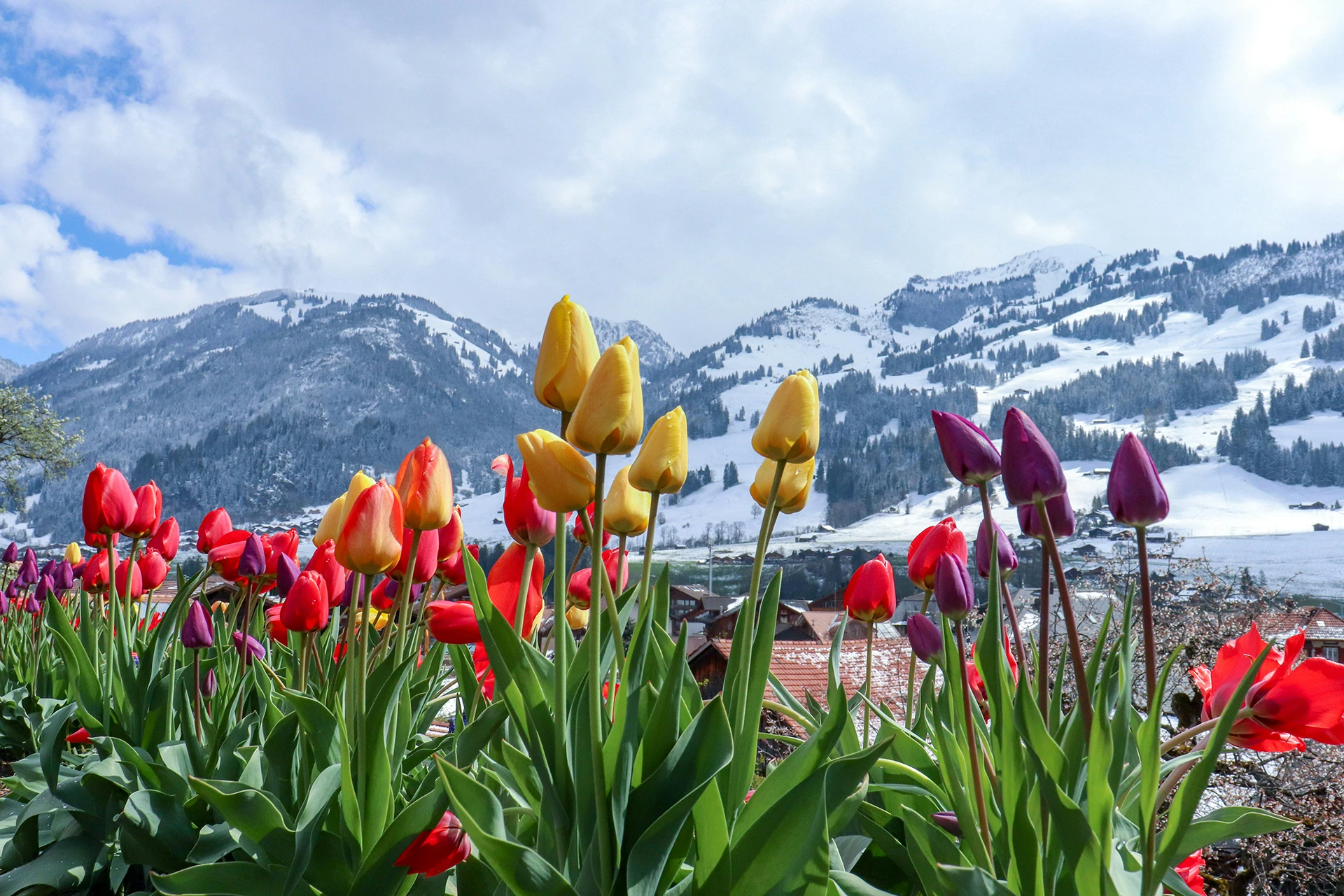
But suddenly, come April, the world would burst into bloom. The cherry and apple orchards would flower, magnolias and dogwoods lining peoples’ gardens exploded with pinks and yellows and wildflowers carpeted the forest floors. Tiny Dutchman’s breeches and spring beauties with their delicate stripes hid among bright green foliage. The violets, buttercups and brilliant white trilliums were irresistible to my sister and I, who spent hours playing in the woods as the world slowly turned from cold to warmth.
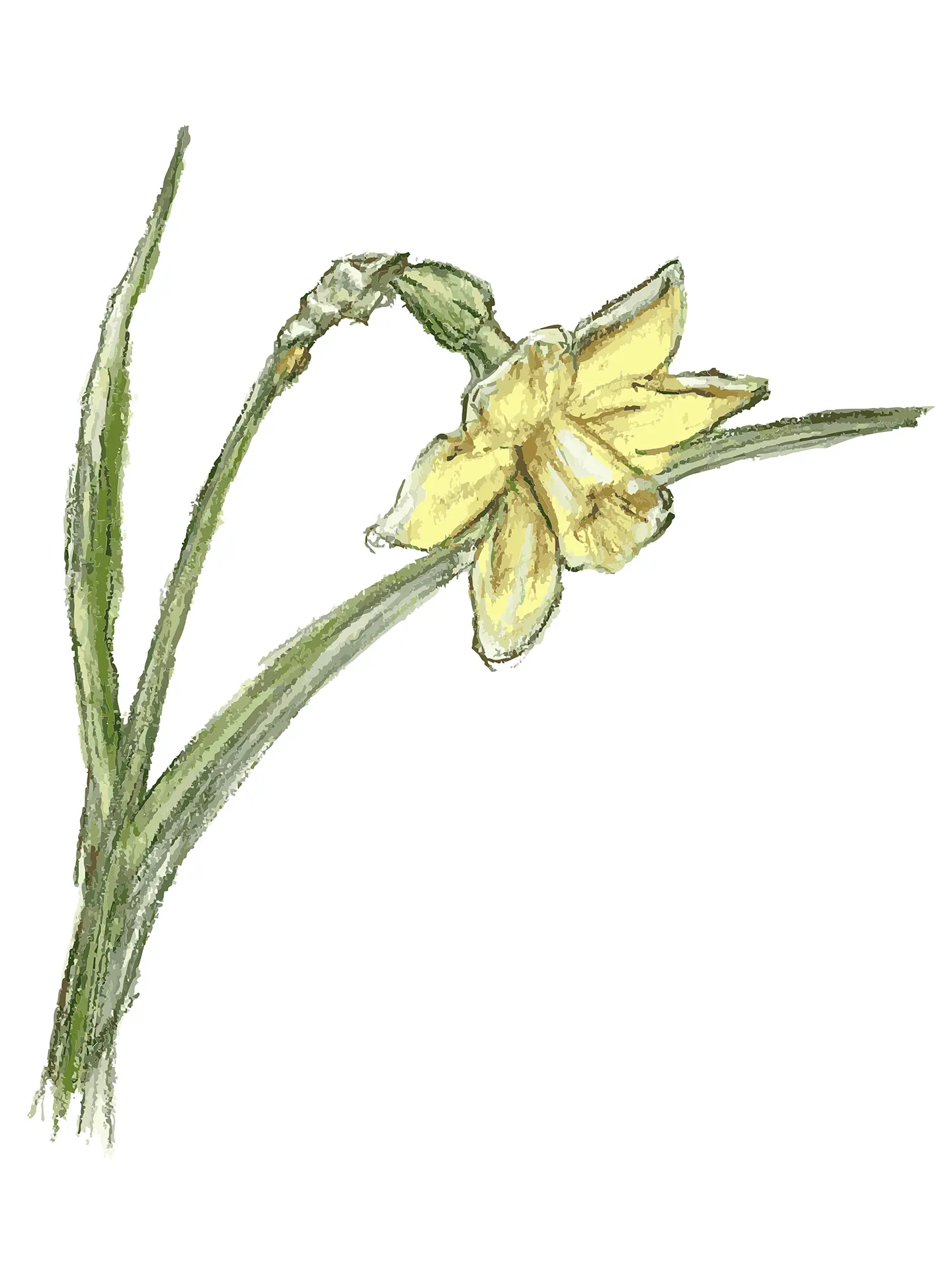
One of my favourite flowers were the daffodils. They grew in gardens, beside footpaths and at times covered entire hillsides with their nodding yellow heads. To get to one such hill we would follow the creek that trickled at the bottom of a shallow ravine behind our house. We would pick so many that my dad could barely grasp the stems as we carried them back to the house for my mum.
It was during this time that Easter came around. The church we attended was large—several thousand members—and the Easter service was always special. During the service, a large wooden cross was erected on the stage and buckets of daffodils sat by the front pews. While music played softly in the background, the pastor and his wife would call out the names of the church members who had passed away during the year. Attendees could go to the front—for either a name called out or for someone in their lives who had passed—and take a daffodil to lay at the foot of the cross in their memory.
Afterwards, the speaker’s message was about how the resurrection of Jesus was evidence of God’s ultimate defeat of death—the ultimate enemy of human life.
I remember as a child laying down a flower for someone. It was one of those moments that you remember, and even at a young age I felt the significance of what it symbolised and the hope it represented. Because of this, Easter was always about hope for me—hope that we would one day see those who had passed away, as well as hope that Jesus was coming soon. That hope stems from Jesus’ death and resurrection.
why do we need Easter?
When death first entered the world, God made a promise—of One to come who would crush evil beneath His foot (Genesis 3:15). The Old Testament is filled with prophecies of this Messiah—One who would “bring justice to the nations” (Isaiah 42:1), who would be “crushed for our iniquities” and by whose wounds “we are healed” (53:5). People waited through centuries of subjugation, exile and war, to be rescued from their earthly foes.
Then came 400 years of silence between the Old Testament and the New, where the prophets ceased proclaiming God’s words. These were dark, bleak days, just like those weeks at the end of a hard winter. Yet God’s people kept hoping, passing down the promise of the Messiah from one generation to the next.
Then Jesus was born.
the first Easter
Jesus was born into a time when the Jews were living under Roman rule—God’s chosen people, forced to live under a harsh regime. Jews believed the Messiah would save them from their oppressors.
But Jesus did not lead a revolt against the Romans. He taught and preached to beggars, to women and children, even healing a Roman centurion’s son. He spoke against the legalism of the Jewish leaders, admonishing them for their pride and arrogance. He lived and breathed love—even claiming to be love itself.
Ultimately, it was these claims of divinity and their disruptive implications that cost Jesus His life. But the surprising truth is, He chose to die. Why? So that we could live. He chose to submit to those who sought Him harm. He chose complete and utter separation from God—because of His great love for us.
It must have felt like the end of the world to Jesus’ followers, watching the object of their hope be crucified. Jesus Himself had pronounced “it is finished” before He “bowed his head and gave up his spirit” (John 19:30). They didn’t understand what was happening—and certainly didn’t think their movement had any hope for enduring beyond Jesus’ death.
I want to live
To us, death feels wrong—we were not originally created to experience it. Our minds push back against the idea. We don’t want to die. The death of a loved one is one of the most painful things any person can go through.
But because we live in a world tainted by death, our lives must come to an end. The Bible tells us that the ultimate outcome of sin (as Paul describes, “falling short”) is death (Romans 6:13). When God took on human form and died, He paid the ultimate price, suffering each of us was destined for—so that we don’t have to.
But it was far from over. After three days, something happened. The Bible tells us there was a violent earthquake and an angel of the Lord rolled back the tombstone (Matthew 28:2). The angel told the women who had come to Jesus’ tomb, “He is not here; He has risen, just as He said” (20:7). Jesus then appeared, alive, first to Mary and then to the disciples, bearing scars on His hands and His side. He greeted them and told them not to be afraid (20:9,10).
What joy they must have felt! With the resurrection of their Saviour, their hope was resurrected, too. They had not fully grasped Jesus’ purpose on earth but now, finally, they began to understand. Jesus had proved death could not hold Him—He defeated the powers of evil and gave His followers a chance at new life: “Death has been swallowed up in victory” (1 Corinthians 15:54).
It’s easy to lose hope in our daily lives that feel so far away from the promise fulfilled by Jesus’ resurrection. Through our phone screens, we see children starving as well as injustice, war and violence. The world’s pain is at our fingertips while we try not to drown under the weight of our own pain. We long for something better but cannot stop the tide of death that still seems to dominate humanity.
To me, it seems like the end of winter. We are tired, the world is bleak. We long for a better world—a warmer world, where daffodils grow and no-one dies.
When Jesus was still on this earth, He made a promise: “I will come back and take you to be with me that you may also be where I am” (John 14:3).
And so, we keep waiting and hoping—but now with the assurance of eternal life, an assurance we have because of what happened at Easter.
For now, we still experience death, but I believe that those I’ve lost are merely sleeping, awaiting the day when Jesus will come again to raise them from the dead—the day when He will wipe the tears from our eyes, and there will be no more death or mourning, crying or pain (Revelation 21:4)—the day when He will make our world new and we will live with Him forever.
Every winter carries with it the promise of spring. Through His resurrection, Jesus defeated the winter of death blanketing the world. Just as we have the assurance that the seasons change, I know that one day, He will return to usher in a spring that will never end.
I long for that day. How about you?