


One of the biggest and most acclaimed videogame releases of 2025 was Arc Raiders. The game—part of the “extraction shooter” subgenre—revolves around players controlling their character in small teams, scavenging valuable items across a post-apocalyptic hellscape, avoiding both deadly robots and other players as they attempt to “extract” with the valuable loot they’ve found. While the premise itself might not sound exciting, the game has one feature that makes it extra enticing for fans all over the world: a little piece of tech called proximity chat.
As I mentioned previously, players aren’t alone in the game. In addition to their friends, other players are also in the area, all attempting to scavenge loot for themselves. Anyone—provided they have a microphone—can talk to any other player who is close to them in the area. In other words, if you are playing with friends and you can hear whispers around the corner, you may decide to sneak up on some unsuspecting players nearby and steal their loot. Or, if you’re feeling kind, you may instead call out to them, announce that you don’t mean any harm and gain a new set of friends in this wasteland.
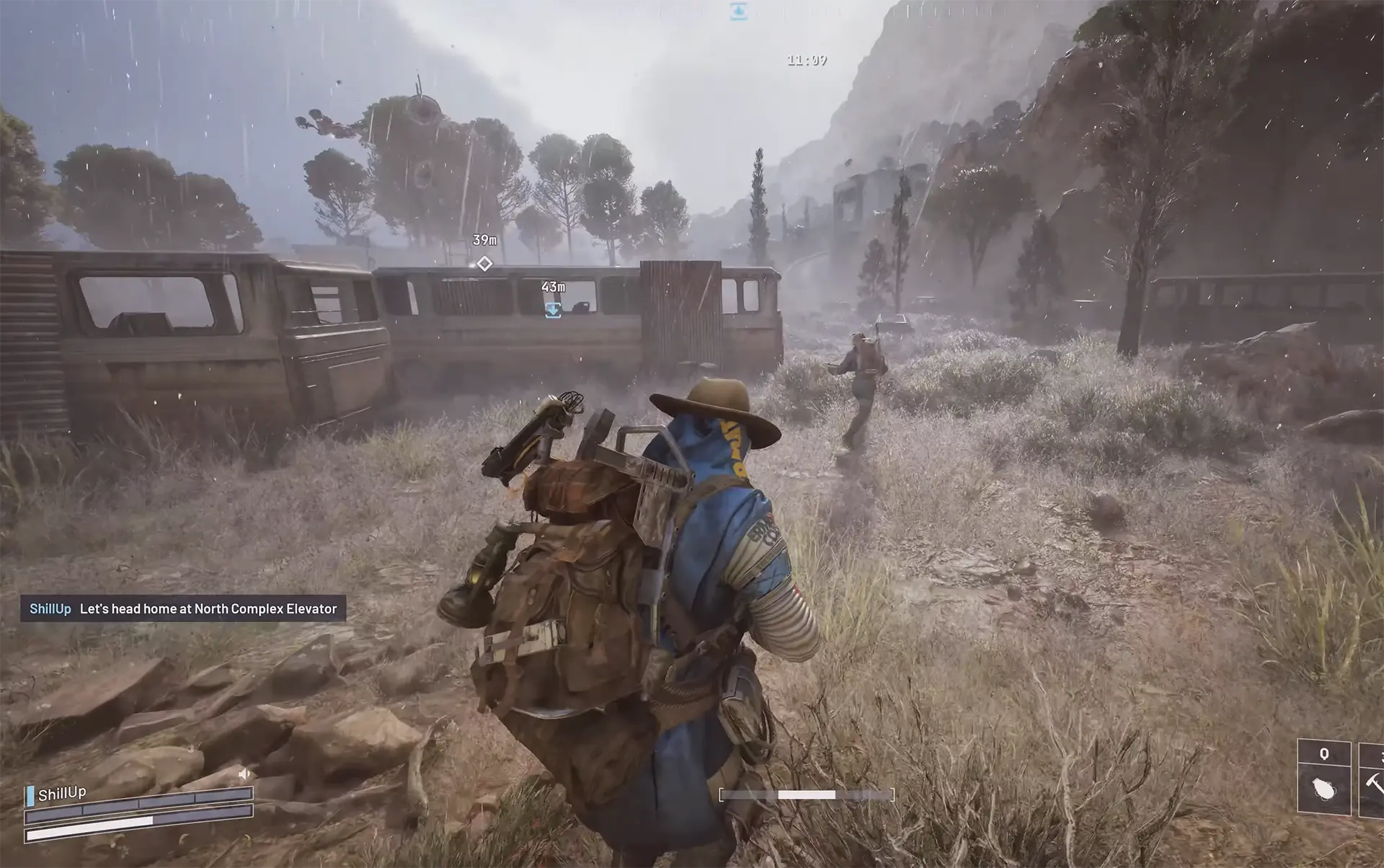
Proximity chat has a profound effect on the way people play a game. Arc Raiders allows players to betray each other at a moment’s notice—literally shooting them in the back is part of the developers’ intentional design. Logically speaking, from a game design perspective, it makes sense. Less competition means more loot, better rewards and an easier experience. But the logic changes when you can hear another player talking to you, asking you to help them. When that happens, it becomes a lot more difficult to betray them.
This is key to the success of Arc Raiders. Every session becomes a self-contained story where enemies can become allies and allies can betray you right before the finish line. The combination of proximity chat with the anonymity of the internet makes it a prime staging ground for stories of hilarity and heartbreak that touch on some of the oldest moral quandaries known to humanity. It also provokes an important question—one which is constantly debated both in the game, and in everyday life—is it human nature to help, or to harm?
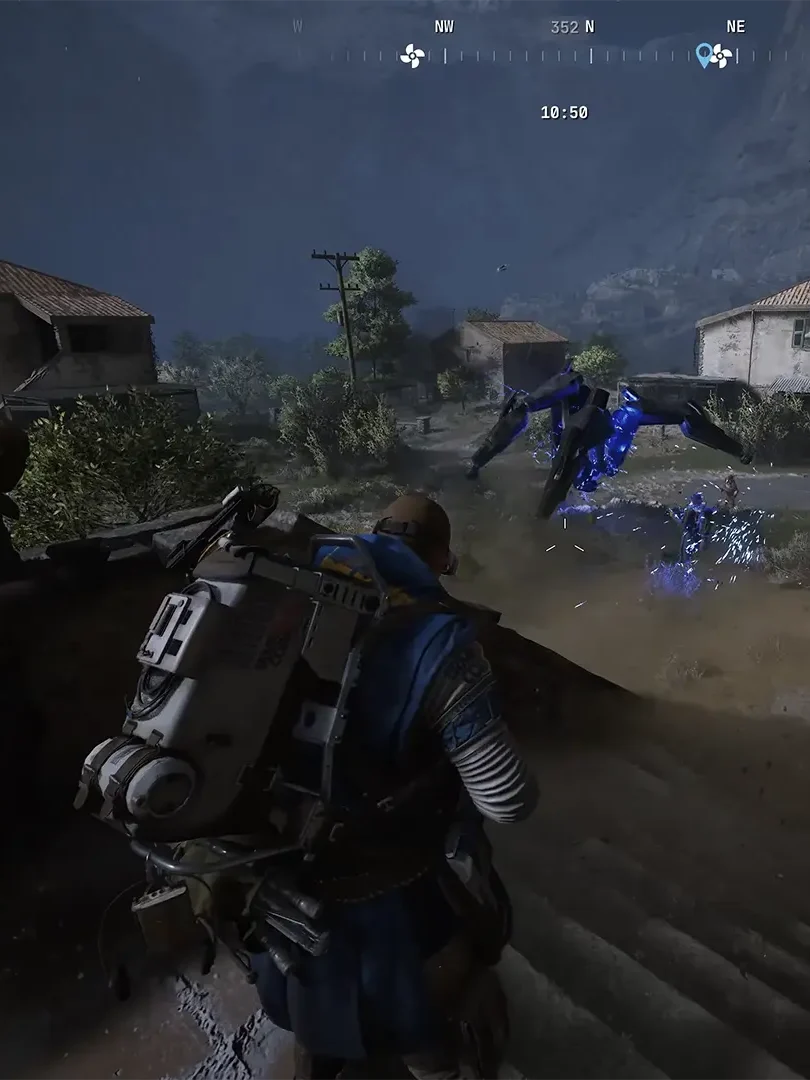
Unfortunately—as the multitude of tales from games like Arc Raiders attest to—humanity has been unable to come up with a definitive answer to this question. If you ask 10 different people this question, you’ll get 10 different responses, with as many pointing to stories of betrayal, brutality and treachery as evidence of the darkness inherent in people. As a counterpoint, one could point to unlikely acts of kindness and heroism to “prove” the good that lies inside us. It is clear that humanity has the potential for both great good and great evil.
So, is it that simple? Are people both good and evil, and it is our choices that determine who we ultimately become?
Perhaps. Indeed, this is the idea put forward by post-modern thinkers. If you believe the universe came about through the unlikely event of the Big Bang and that humanity is the result of billions of years of evolution, this would be the logical conclusion. People are not imbued with any greater meaning, so the only meaning that exists is the one we choose.
This is a common belief, but it isn’t the only one to put the focus on the choices that we can make. Many branches of Christianity point towards choice as the reason for our capacity to do both good and evil, though in a different context. God—I believe—created humans in His own image, and positioned them to rule over all of creation (Genesis 1:26–28). This is where our capacity for good comes from—as well as our capacity to choose. It is this freedom to choose that makes us like God—but which is also responsible for our capacity for evil.
As the Bible authors tell it, the first people used this freedom to choose to defy God, disobey His rules and subsequently reject His good order. This decision is one that echoes into today, with the Bible labelling this the “original sin” from which all other evils emerged.
This is the reason that the capacity to help and harm are so apparent in our everyday lives. We were created by God to help—to follow His example and care for His creation. Unfortunately, in choosing to rebel against Him, the first humans set us on a path that diverged from God’s intention for us, creating a flawed world and a flawed nature which we struggle with to this very day. As the Bible puts it—the human mind is “incurably bad” (Jeremiah 17:9). While we were intended for good, our nature is inherently flawed.
The question is often asked: why do bad things happen to good people? Under this model, this too can be explained. Many view the world as cold, uncaring and indifferent to our struggles and take this as evidence that there is no plan. Christianity sees this and argues that instead it illustrates how our nature diverges from the intended plan. Admittedly, this paints a grim picture of humanity—positing that we are inherently flawed, “incurably bad” and unable to solve these issues on our own. Thankfully, this isn’t the end of the story.
The Bible also tells of a solution. It explains that this deviation from God’s plan is not permanent, but that God has provided us an example of what humanity should be like—of how we should behave.
That example is Jesus.
As the Bible tells it, Jesus was a man, just like us—but with one crucial difference. Unlike us, Jesus did not have a flawed nature—but the nature that was intended for us. This is seen in His actions—His helping hands, His generous heart and His revolutionary teachings. In giving the world Jesus, God provided the blueprint for how we should live. It is only through believing in Him—and letting His example guide our lives—that we may work towards ensuring a helping nature.

Baptist minister and civil rights activist Martin Luther King Jr once said that the moral arc of the universe is long, but it bends towards justice. It may take a while to reach true justice—but through following the example of Jesus, we can ensure that the arc bends in the right direction.
Please note that discussion of a media product in Signs of the Times does not constitute an endorsement or recommendation.