


If you’ve ever read the Bible, chances are you’ve skimmed past the list of Jesus’ 12 disciples without much pause. Peter, James, John and then tucked in near the end, “Simon, who was called the Zealot” (Luke 6:15). We hardly blink. But to the first Christians, this name would’ve landed like a thunderclap. This name was loaded with danger and politics. It meant something like: Simon the political radical; Simon the revolutionary; Simon the “one Rome kept a close eye on”. “Zealot” was a political identity, a revolutionary affiliation—and in Roman eyes, bordered on terrorism. Yet, Jesus chose this Zealot. He invited this man, with all his fiery convictions and revolutionary worldview, into His closest circle. And then Jesus reshaped him from the inside out.
the makings of an insurgent
The Zealot movement emerged in 6 AD, when Rome tightened its grip on Judea and imposed a census for taxation. For many Jews, this wasn’t just paperwork. It symbolised occupation, humiliation and the fear that Rome could crush their identity forever.
Into this chaotic mix came Judas the Galilean, a charismatic firebrand preaching a simple but radical message: if God truly is King, then Caesar is not—and must be resisted. This wasn’t a peaceful protest. Judas’ followers organised assassinations, raids and bold uprisings. Rome crushed the movement, killing Judas and his family, but his ideas refused to die. Instead, they went underground and took root. Over time, the Zealots became a full-throated revolutionary movement. Their convictions were crystal clear:
- God must reign. Rome must fall.
- Violence isn’t a last resort. It is a holy duty.
- The Messiah will one day rise as a military leader.
- Every faithful Israelite has a role to play in the struggle.
Some took it even further. The sicarii—a Jewish order of assassins—slipped sharpened blades beneath their robes, stalking Roman officials and Jewish collaborators in crowded streets. Their actions ultimately contributed to the doomed revolt of AD 66–70, which would end in Jerusalem’s destruction.
This was Simon’s world. This was the ideology that formed him. And still, Jesus called him.
Jesus calls a political extremist
Jesus didn’t wait for Simon to mellow out or mature. He called him while he was still politically charged, still shaped by national trauma, still emotionally raw. This was a man whose worldview had been forged through oppression and anger. And then Jesus paired him with Matthew, a tax collector for Rome—a man who had once willingly taken Rome’s side for personal gain. A collaborator and a revolutionary sitting shoulder-to-shoulder at dinner? Only Jesus could pull that off.
Jesus wasn’t just assembling a ministry team. He was forming a new kind of community—one that stretched beyond political comfort zones—a place where former enemies could sit at the same table and learn a new kind of allegiance.
when the Zealot meets the kingdom
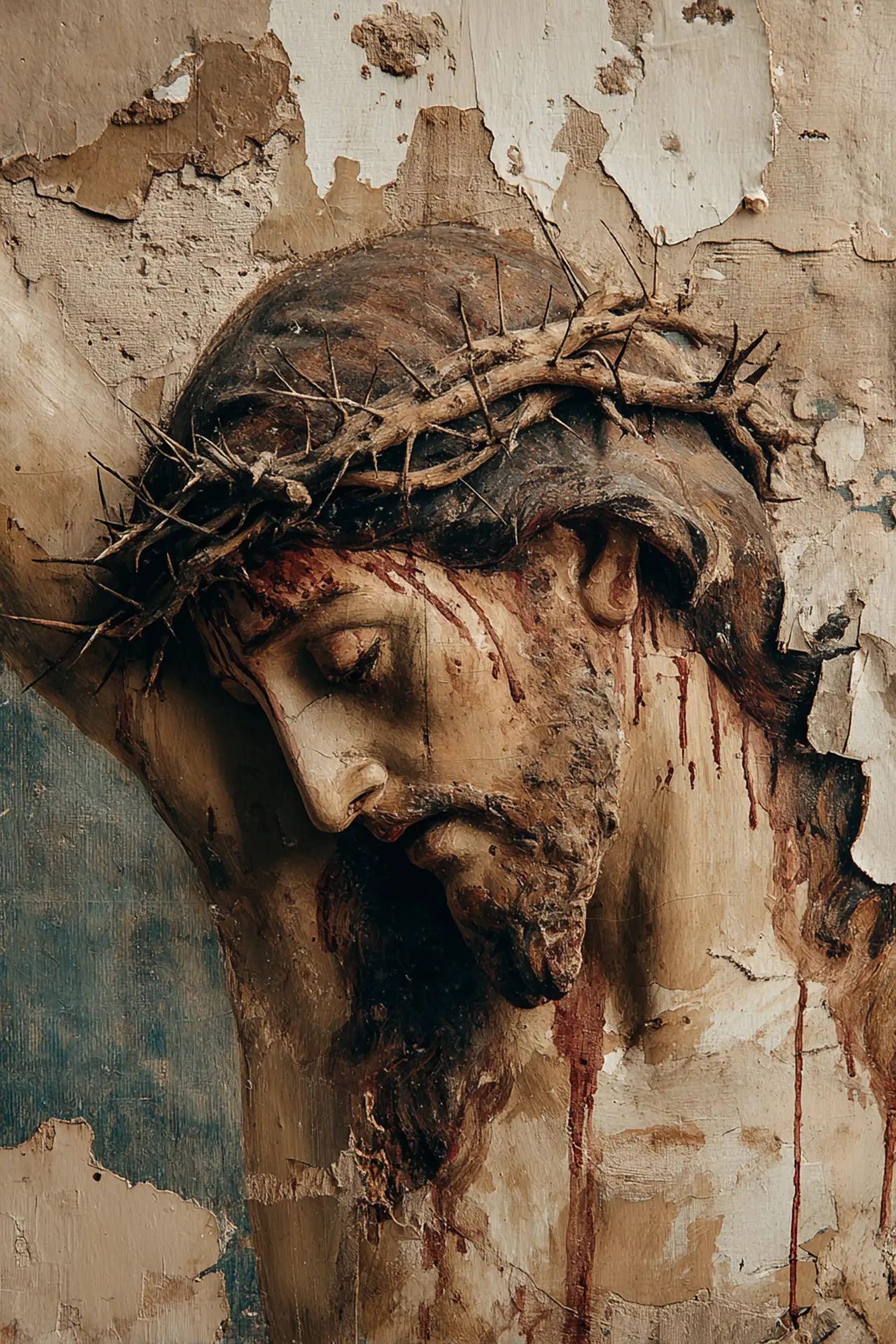
You can almost imagine Simon’s initial excitement: a Galilean rabbi proclaiming the kingdom of God? That sounded like the opening line of every Zealot’s dream. Maybe Jesus would gather followers, spark a revolt and finally throw off Rome’s chains. But then Jesus spoke. And what Simon heard must’ve sounded like the undoing of everything he believed.
- “Turn the other cheek” (Matthew 5:39).
- “Love your enemies”
(Matthew 5:44). - “Pray for those who persecute you” (Matthew 5:44).
To a man whose life was built around resisting enemies, this wasn’t just counterintuitive—it felt impossible. Jesus continued pushing: “If someone forces you to go one mile, go with him two” (Matthew 5:41). Every Jew knew what this meant. Roman soldiers could legally demand anyone carry their gear for a mile. Zealots dreamed of killing those soldiers. But Jesus told His followers to offer more than required. No Zealot in history had ever “gone the extra mile” for Rome. But the deepest collision came in Gethsemane. When Peter’s sword flashed in the night (Matthew 26:47–56), Jesus stopped him, healed the wounded enemy, then allowed Himself to be arrested. Instead of fighting Rome, Jesus died on a Roman cross.
For Simon, the political revolutionary, this must’ve shattered him. His entire identity crumbled at the foot of the cross.
the politics of the kingdom
In a time when Christians are pulled hard toward political tribes and culture war battle lines, Simon’s story suddenly feels very modern. It shows us what happens when deeply held political loyalties collide with the uncompromising authority of the true King. Simon’s transformation wasn’t simply a softening of temperament. It was something far deeper—a reorientation of loyalty. Jesus didn’t make Simon apolitical. He made him kingdom-political, reshaping every conviction around a new kind of revolution. Here’s what Simon had to face:
1. the kingdom comes through the cross, not the sword
Zealots anticipated a kingdom secured by violence—a warrior Messiah who would overthrow Rome with force. Jesus turned that expectation upside down. His kingdom was not built with a dagger but self-giving love. The cross—not violence, coercion or political revolution—was the defining symbol of His rule. Where the dagger takes life, the cross offers life. Where Zealots sought victory through shedding Roman blood, Jesus became King by shedding His own. His rule advances through compassion, forgiveness and sacrificial love—not through the tactics of earthly power.
2. the real enemy isn’t Rome, but the powers behind Rome
Simon wanted a clear political villain, but Jesus redirected his focus. The deepest opposition to God’s kingdom is not a government, empire or political opponent—it is sin, death and the unseen powers of darkness (Ephesians 6:12). Jesus refused to let His followers demonise outsiders or reduce God’s mission to political rivalry. He exposed the spiritual root of human hostility and called His followers to fight a deeper battle with spiritual weapons.
3. the kingdom forms a new family and doesn’t deepen tribal boundaries
Zealots imagined God’s kingdom as Israel against the nations. Jesus attracted a radically different community—Romans, Samaritans, tax collectors, fishermen, women, outsiders and insiders. His kingdom was not built around ethnic, cultural or political purity but around a new humanity formed in Him. The gospel (good news) is not for one tribe but for all peoples, and Jesus consistently tore down the walls that zealotry depends on.
what happened to the Zealot after the resurrection?
Scripture doesn’t tell us Simon’s later story, but Christian tradition hints that he travelled through the Middle East or North Africa proclaiming the gospel as he went. However hazy the exact story, one thing is certain: the man who once believed violence would bring God’s kingdom ended up preaching peace in the name of Jesus. His zeal didn’t disappear—it was redeemed. The fire remained, but the fuel changed. The revolutionary became an apostle.
Simon’s challenge to us
Simon’s story speaks fiercely into our political climate. Today, many people feel pulled into ideological battles, convinced their political stance is the only faithful one. It’s easy to baptise our politics with religious language, assuming God is on our side. Simon reminds us that Jesus isn’t owned by any one political tribe and that He isn’t campaigning for anyone’s kingdom but His own. This kingdom advances when people embody the self-sacrificial love of Jesus—a love that redraws boundaries, prays for enemies and lays down power instead of holding onto it. Simon’s story forces us to wrestle with deeper questions:
Do I treat political opponents as enemies rather than neighbours?
Which shapes me more—my political tribe or Jesus’ teachings?
In the end, Simon confronts us with a truth we often prefer to ignore: Jesus did not come to take sides—He came to take over. He claims ultimate allegiance over every ideology, every movement and every nation. To say “Jesus is King” is one of the most political statements any person can make.
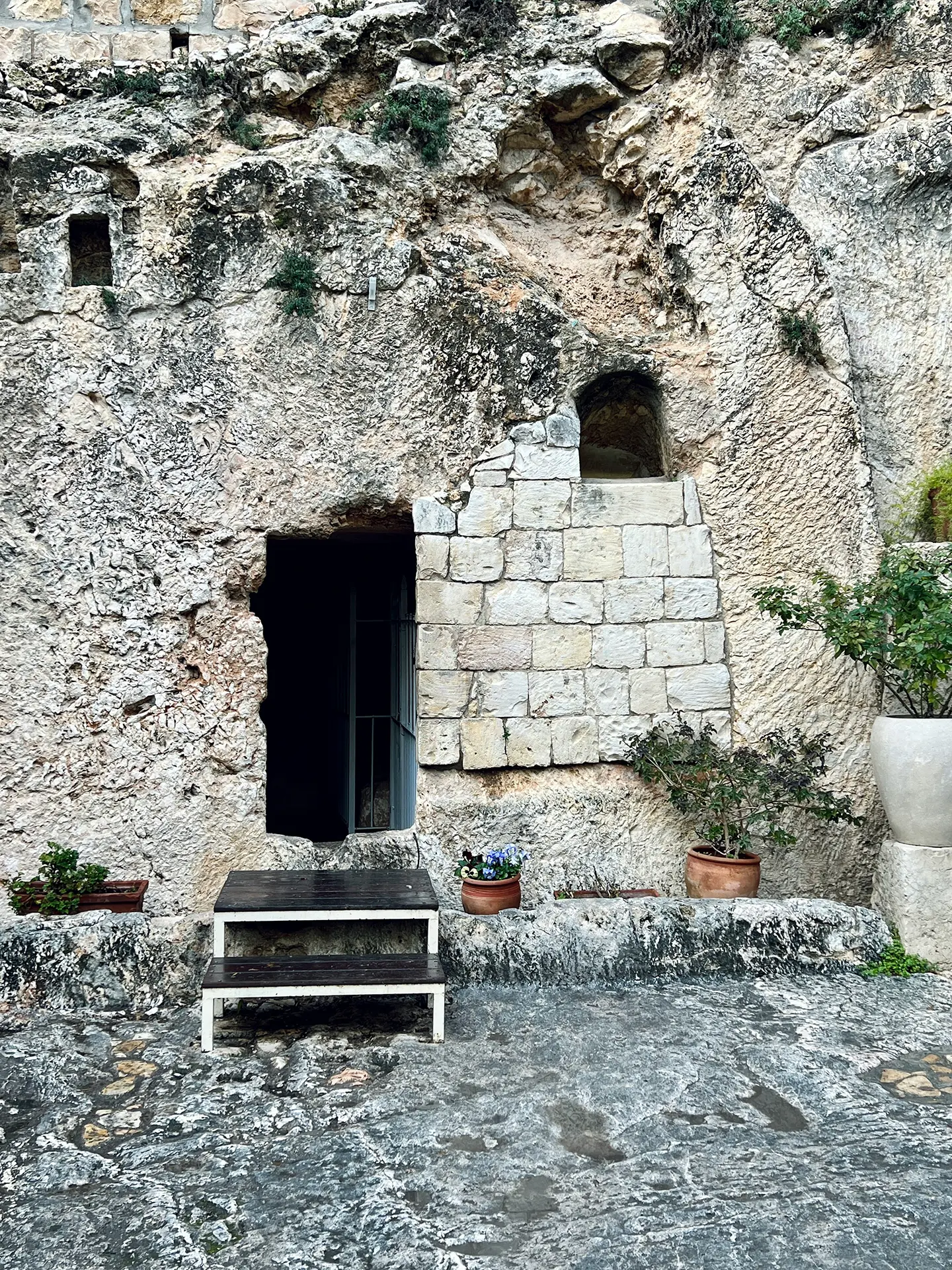
Simon the Zealot is a reminder that Jesus doesn’t flatten strong personalities or dilute conviction. He can take a life burning with passion and reshapes it in ways no-one expects. Jesus didn’t put out the fire in Simon’s chest—He refined it. He didn’t erase Simon’s past—He reoriented it around a new centre: His own life and kingdom. Simon’s story stands as a quiet testimony to the strange way Jesus forms disciples. He doesn’t win people through force or political triumph—He wins them through the cross and the empty tomb. And in doing so, He shows that even the most fiercely held identity can be gathered up and transformed. The question for you is simple: will you let Him do the same in you?