


If you’ve taken a trip down the confectionery aisle of the supermarket over the past year, you may have noticed that chocolate prices have skyrocketed. As I consume chocolate in some form daily, I had to investigate.
In recent years, severe weather has disrupted chocolate production, limiting global supply. Chocolatier Igor Van Gerwen, who has been making chocolate in Tasmania since 1989, said that in 2024, “cacao prices increased fourfold”. In the lead-up to Easter, Australians have been joking that “everyone will be getting carrots this year”. In fear of what this price rise might do to my bank account, I’ve found myself ducking down the confectionery aisle each time I’m at the supermarket to check if my favourite products are on sale. After all, chocolate—at least the dark kind—is good for us, isn’t it? If this chocolate famine gets any worse, I want to be stocked up.
But it’s usually around Easter that chocolate’s health claims start swirling, and I find myself more and more confused. A quick internet search offers headlines of every opinion from “No, chocolate isn’t good for you, sorry” to “Chocolate, a cure for all ills.”
an illustrious past
Chocolate has a long and storied past, and for much of history, people have believed in its medicinal powers. The cacao bean—whose scientific name, Theobroma cacao, means “food of the gods”—was consumed as a drink for most of its past. More than 4000 years ago, the Mayans and Aztecs incorporated cacao into rituals, used it as currency, and relied on it as medicine for skin conditions, fevers and stomach problems, often mixing it with peppers, honey or tobacco juice.
As cacao made its way to Europe in the 1600s, its reputation as a remedy followed. Antonio Colmenero de Ledesma wrote an immensely popular paper praising chocolate for aiding childbirth, improving digestion and curing everything from gut disease and jaundice to tuberculosis and “the green sicknesse” (anaemia).1
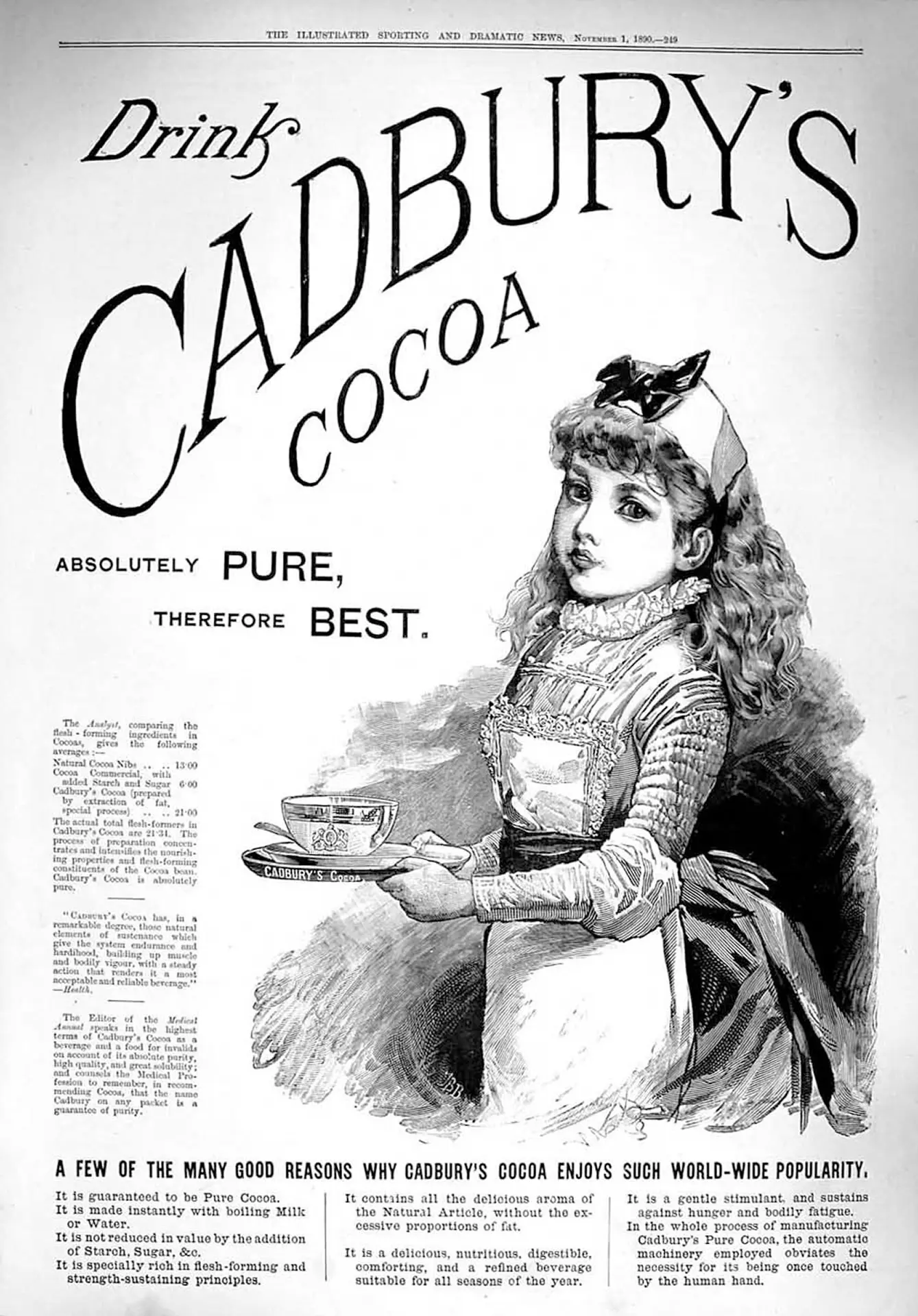
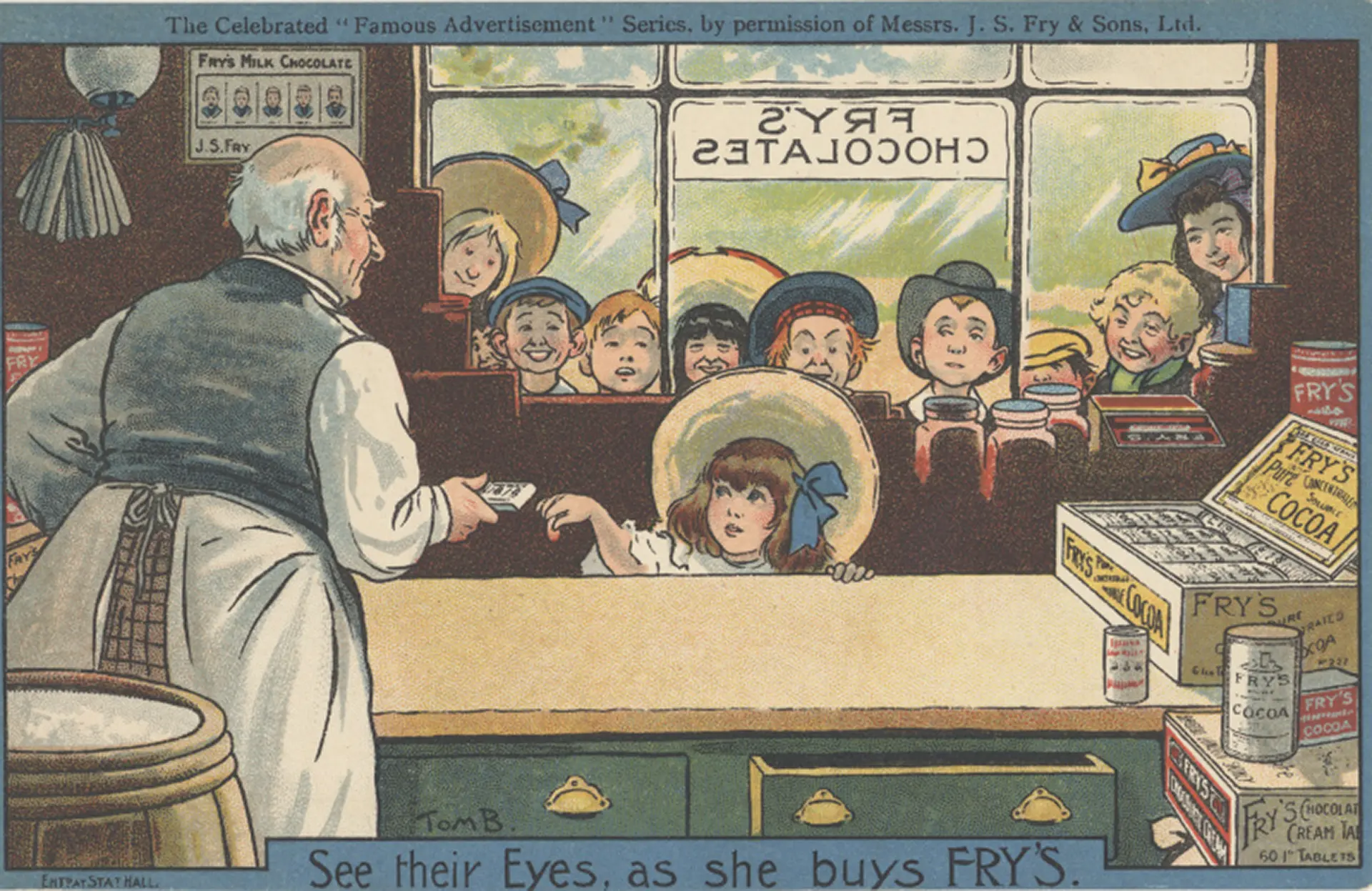
American founding father Benjamin Franklin also became a vocal advocate, particularly for its use in treating smallpox.2 His enthusiasm helped popularise chocolate among well-to-do gentlemen who frequented coffee shops, as it was believed to be more nutritious than tea or coffee. By the late 18th century, chocolate was even believed to slow ageing and delay the growth of white hair. By the 1930s, Nestlé was producing cocoa-based products enriched with vitamins, continuing chocolate’s centuries-old reputation as a health food.
But not everyone was convinced about chocolate’s medicinal claims. Even amid the praise, some doctors warned that it could be harmful in certain contexts. Pharmacologist Auguste Saint-Arroman cautioned that potent cocoa drinks were particularly unsuitable for the young.3
From the beginning of its history, chocolate has carried a dual identity as both a remedy and an indulgence. That tension still exists today. Cacao ceremonies have gained popularity in recent years, chocolate bars line health food shelves and wellness influencers praise its benefits—while some see it as nothing more than candy, and others as a drug.
back to basics
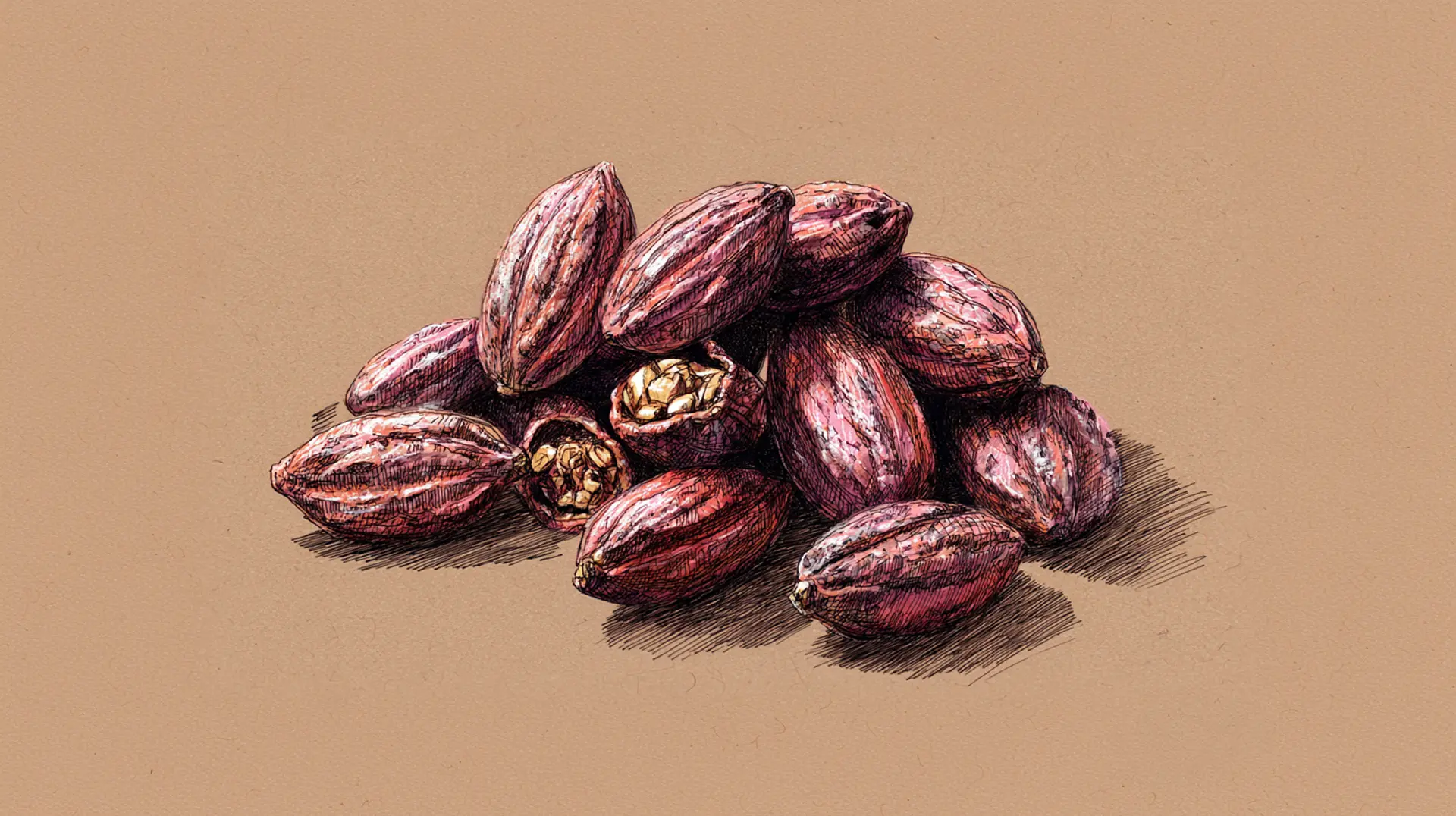
Part of the confusion comes from the wording itself. You might notice that I’ve used cacao and cocoa interchangeably, so let me explain: chocolate comes from the fruit of the cacao tree, which grows as an elongated pod ranging in colour from yellow to purple. Inside are white seeds that are fermented and roasted, then ground into solids and butter. Cacao is the raw or minimally processed bean (including nibs and ceremonial products), while cocoa is the roasted form found in most chocolate and powders we buy today.
When you eat 100 per cent chocolate, you get both cocoa solids and butter—which explains why it’s so bitter. To make it more palatable, manufacturers add sugar, milk and salt. The lower the cocoa percentage, the more sugar it contains and the fewer health benefits remain. It’s a bit like the difference between eating fresh tomatoes and the tomato sauce you have with hot chips. There’s been such a process and so much added that, nutritionally, it barely resembles the original fruit.
Genetic epidemiologist and nutrition researcher Professor Tim Spector puts it simply, “Any health benefits attributed to chocolate are due to its cocoa content.” Milk chocolate contains far less cocoa, while white chocolate contains none at all.
what about dark chocolate?
Much of chocolate’s modern health halo comes from the idea that it’s rich in flavonoids—antioxidants linked to heart health. These antioxidants help your body fight off unstable molecules that can damage cells, contribute to ageing and increase the risk of chronic disease. Flavonoids act a bit like cellular bodyguards, keeping things in our body calm at a microscopic level.
Cacao beans are actually one of the best sources of flavonoids. By weight, 100 per cent dark chocolate contains five times more antioxidants than blueberries. That’s impressive—except it’s very hard to eat 100 per cent dark chocolate, and very easy to eat blueberries.
So yes, chocolate has been found to offer heart health benefits, but these are quickly diluted when sugar, milk and other ingredients are added—so while 75 per cent (or higher) dark chocolate is a healthier choice for milk or white chocolate lovers, the sugar content often outweighs any potential benefits.
In 2012, a large clinical study examined whether dark chocolate (specifically 75 per cent) delivered any broader health benefits often claimed. While researchers observed a small reduction in triglycerides—a marker linked to cardiovascular disease risk—there was little to no effect on blood pressure, blood sugar, cholesterol, acne or body weight.
why it makes us feel good
For many, chocolate doesn’t just taste amazing, it makes us feel amazing too. People often express that it helps them focus, lifts their mood and is the perfect pick-me-up for a bad day.
Unless you’re eating 100 per cent chocolate, it contains sugar and sugar triggers the release of dopamine, the brain’s pleasure chemical. This is the same feel-good chemical released when we finish a task, have sex or receive praise. Part of that chocolate high is simply a sugar high.
Chocolate also contains compounds such as tyrosine, endorphins and theobromine.Tyrosine is an amino acid that helps the brain produce dopamine; endorphins support calm and steady moods; and theobromine is a mild stimulate like caffeine, which may explain the alert, focused feeling chocolate gives some people. Together, these compounds create a gentle mental lift. Some studies do show small improvements in cognitive performance after eating chocolate.
All that said, the chocolate used in research is rarely the chocolate most of us reach for—meaning the real-world benefits are often overstated.
hidden hazards
There’s another reason nutrition experts urge caution. Chocolate—especially dark chocolate—has been found to contain heavy metals such as cadmium and lead, absorbed from polluted soil during harvesting and processing.
Over the past few years, tech entrepreneur Bryan Johnson has spent millions of dollars trying to slow the ageing process and optimise health. He follows an extremely strict plant-based protocol built around vegetables, nuts, seeds, berries and olive oil—and you guessed it—cocoa. The cocoa he consumes is strictly high-flavanol, unsweetened, non-dutched cocoa powder, chosen for its potential benefits to brain and heart health.
Johnson chooses his cocoa carefully because of heavy-metal concerns. These metals can be toxic even in small amounts. Once ingested they accumulate in the body and can interfere with normal cell function, contributing to neurological impairment, cardiovascular disease, weakened immunity, chronic fatigue and even cancer. A 2024 study showed that many dark chocolate products exceeded recommended daily limits for cadmium and lead in a single 30-gram serving. Surprisingly, higher concentrations of these toxins were found in organic products.
This complicates the popular advice “the darker, the better”. While dark chocolate offers more antioxidants, it can also contain more heavy metals (that’s good news for you milk chocolate lovers).
to eat or not to eat?
As with many things, chocolate is too varied to categorise as simply healthy or unhealthy. Happily, there is evidence that supports that in the right form and amount, chocolate can be beneficial for your heart health and mental state. But these benefits come with caveats, particularly when chocolate is highly processed or contains high levels of sugar or heavy metals.
This Easter, as rising prices force many of us to think twice before tossing expensive blocks and bunnies into the trolley, it’s worth remembering that health has many pillars. As dietitian Alice Bleathman explains:
“Health isn’t just about physical health. It’s about social health, emotional health, spiritual health and mental health . . . Some foods like chocolate are healthy because they make us feel good and are used as celebratory foods. The same thing with ice-cream. If we have ice-cream at the end of dinner every time we go to our grandma’s house, ice-cream in that situation is actually kind of healthy. But if you’re having it every single night while watching TV, it might not necessarily be the most healthy option.”
Easter has always held restraint and celebration together. Rising chocolate prices might be frustrating, but when something costs us more, we’re invited into a slower, more intentional kind of enjoyment. So, skimp on the carrots this Easter. Buy your favourite chocolate, share it generously and savour it slowly. You can think about where to categorise it later.
- Colmenero de Ledesma, Antonio. Chocolate: or, An Indian Drinke. Translated by James Wadsworth, 1652. ↩︎
- Benjamin Franklin, The Autobiography of Benjamin Franklin Including Poor Richard’s Almanac. New York: Bantam Books, 1996. ↩︎
- Auguste Saint-Arroman, Coffee, Tea and Chocolate: Their Influence upon the Health, the Intellect, and the Moral Nature of Man, 1846 ↩︎