

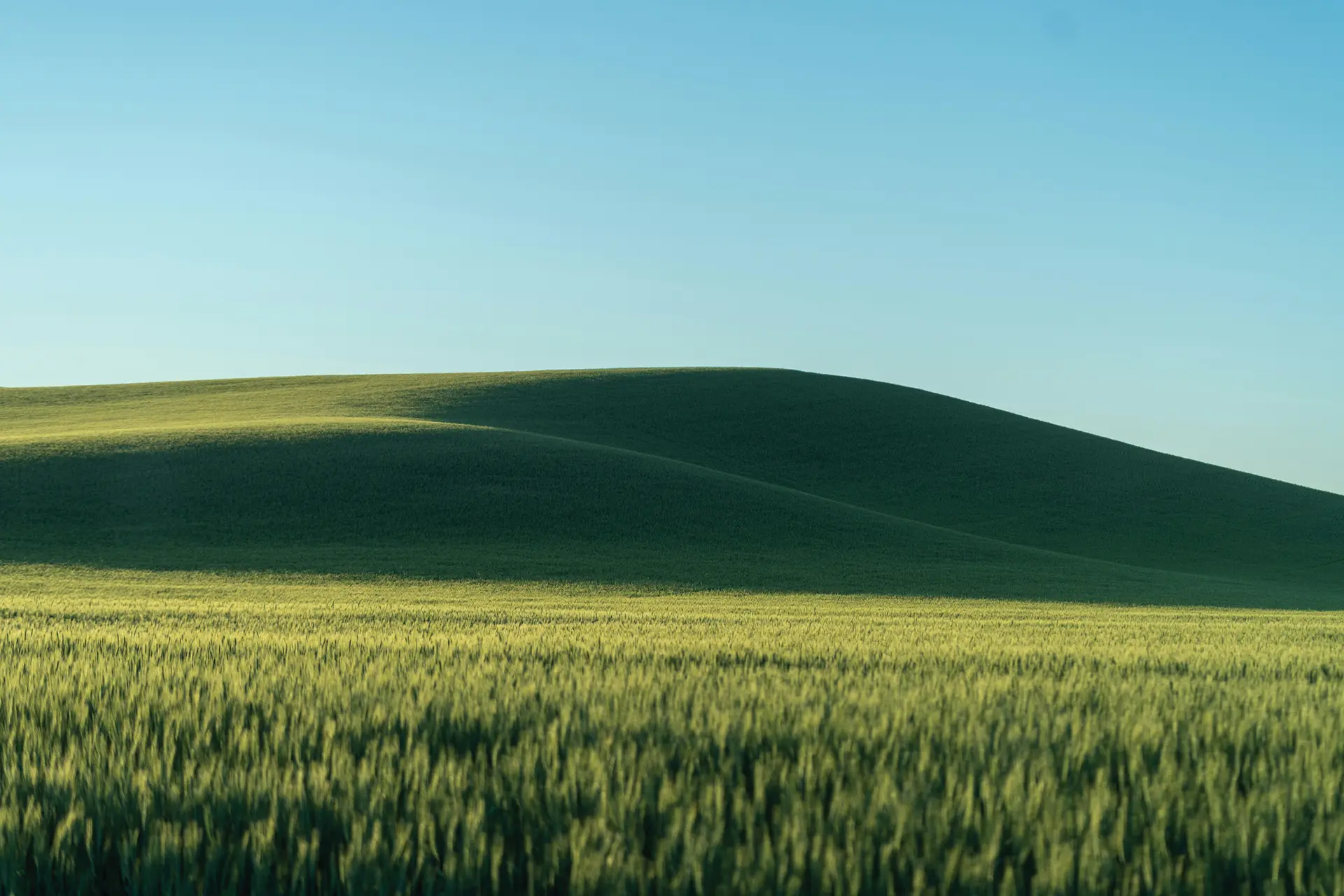
Imagine, just for a moment, waking up on a bed of grass as the warmth of the sun kisses your face. You wander to a nearby river for a refreshing dip before harvesting your crops. The day stretches ahead as you prepare a nourishing meal to share over stories and laughter with your family or local community. As the sun sets, so too does your energy. The day is slow and simple, and every moment breathes with the beauty of life.
This was the rhythm of our ancestors—slowness, simplicity and sacred pace. By contrast, today our phones keep us connected around the clock, TikTok and news keep our minds racing, and our calendars overflow before the week has even begun. Practising the art of slowness has become a newfound challenge for the modern mind and body.
I realised this on the verge of what felt like my 50th burnout—all by the age of 25. I was emotionally, physically and mentally exhausted as I tried to meet the demands of work and my personal life. My excitement for life had drained away. I felt overwhelmed, stressed and inadequate. My life was centred around work—preparing for it, recovering from it and thinking about it all day long. To-do lists would replay in my mind long after I had clocked off, leaving my thoughts overstimulated and my body drained. I searched for relaxation in the usual places—on my phone, through screens, through noise—but it didn’t work. I was depleted. Every single day.
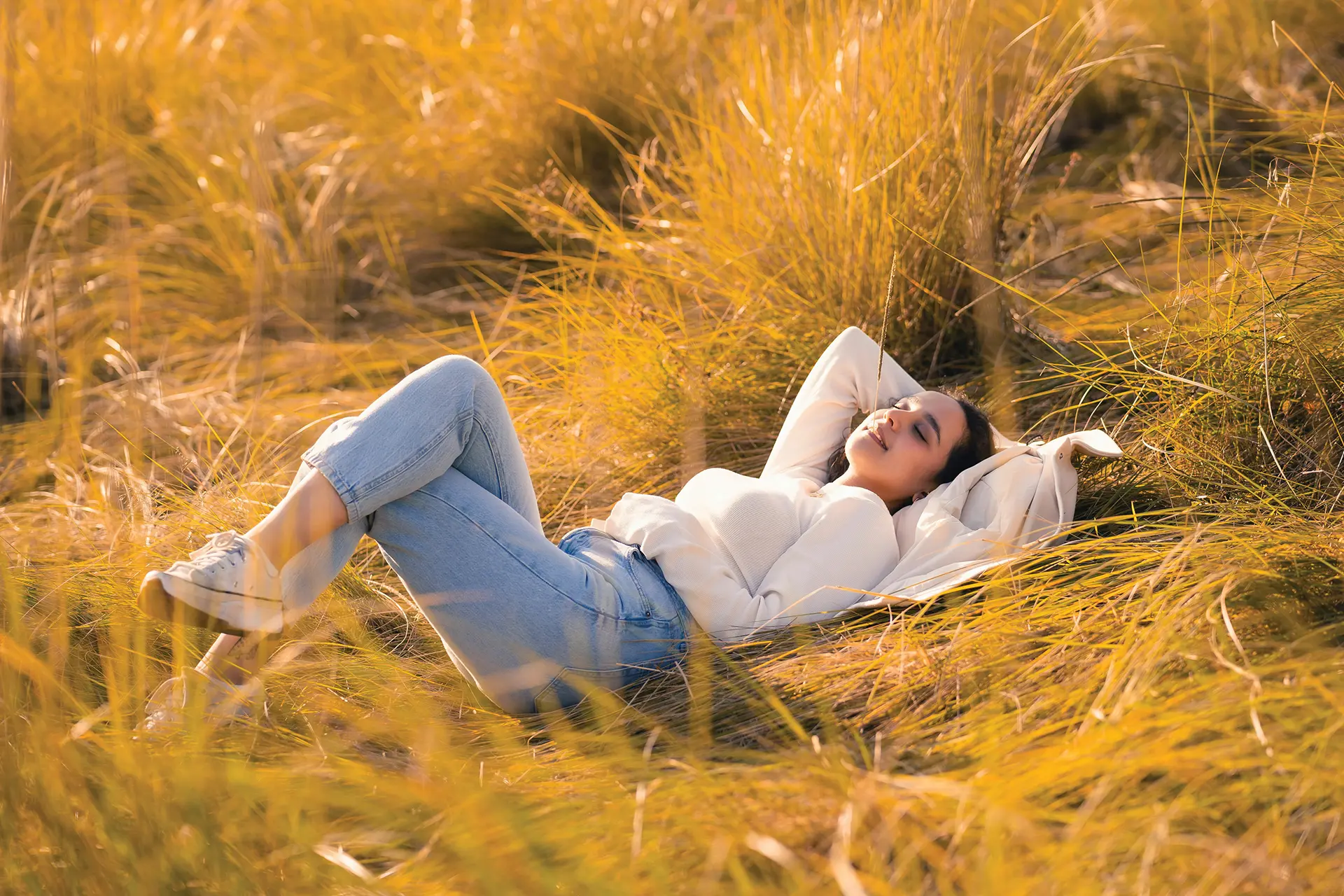
I can’t name the exact straw that broke the camel’s back, but one day something shifted. I decided to intentionally create moments of slowness in my life outside of work—to give my mind an opportunity to breathe, rest and rejuvenate. At first, this just meant spending 15 minutes in a nearby park before my shift. Truthfully, it didn’t feel easy. I didn’t know how to just be. I felt guilty and anxious as my mind asked questions like, Are you sure there isn’t something you should be doing right now? or, Can you afford to take this pause? To do nothing felt absurd to my system—almost irresponsible. But before long, the sunshine and time in nature had an undeniable effect on my mood. I knew studies had long proven the positive effects the outdoors has on our mental and physical wellbeing, but only now was I experiencing those benefits firsthand.
I continued to experiment with slowness each morning before work. Some days I spent a few minutes noticing the birds, the shades of green brushed upon the tree leaves or the whistles of the wind. Other days I simply sat and breathed slowly. Sometimes I let my mind rest on paper, writing out my thoughts and bringing presence to my internal world instead. It didn’t matter what form my slowness took each day. The more I practised, the more alive I felt to the present moment. My mind and body were finally in the same place. I started noticing the small changes that made each day unique. What surprised me most was that I was returning to the same park every day, yet no two mornings were ever the same. My commitment to slow down had opened my eyes to the everchanging, living beauty around me that I’d missed in my rush to get things done.
Life stopped feeling repetitive and mundane. It began to feel alive, vibrant and full of surprises. Soon that sense of curiosity began to spill into the rest of my day. I showed up to work more grateful and came home energised rather than empty. Simple acts like taking my morning shower or making dinner began to feel like a moving meditation. From the water on my skin to the texture and smell of food as I prepared it—every detail of life began to feel meaningful.
The irony was that, on the outside, my life hadn’t changed much at all. But inside, slowing down had created space—a sacred space where I was noticing the handiwork of God in every detail around me.
The art of slowness doesn’t have to happen in a park. It doesn’t have to happen before the work day begins. It doesn’t have to look like my practice, or anyone else’s at all. You can simply set the intention to pause, notice and pay attention to your surroundings in any given moment. Step outside and bask in the sun. Eat a meal without distraction, paying attention to the smells, flavours and textures. Take a few deep breaths when overwhelm hits you throughout your day. Just experiment with a pattern of life that gives you space to breathe and take notice of the world around you.
While the days of living tech-free and off the land may be far gone for most of us, we can still learn from the natural flow of those who lived this way—a rhythm marked by presence, gratitude and simplicity. In that rhythm, we remember that God is always with us—waiting and wanting to connect. All we have to do is slow down and take a seat at His table.