

A child is heading home from school, walking casually, grateful he was healthy enough to attend school that day. It has been a great source of frustration that he not only has severe asthma, but also seems to catch all kinds of illnesses and has spent way too long sick at home. He is especially frustrated, since being bedridden has kept him from being as active as most boys his age and as a result, he holds some extra weight which makes him stand out in an unfortunate way. As he continues home, he notices some boys from school are following him. His stomach drops but he knows better than to show any emotion, even when they start calling out to him, “Fat Freddy!” The name reminds him of how alone he is and how hard he has found fitting in with his peers. It is increasingly difficult to ignore the name calling as his tormentors get closer. Finally, he can stand it no longer and breaks into a sprint, running the rest of the way home. While he is with his parents, he forgets how he doesn’t have any friends, but when he is alone, the tears come. Loneliness is a difficult burden to bear.
A few years later and Fred was now in high school. Still at the bottom of the social ladder, things are not looking good for him. He heard that a football player from his school, Jim Stumbaugh was in hospital after he was injured during a game. Jim Stumbaugh was popular, always hanging out with a crowd of friends. It would have been easy to harbour bitterness towards the person who embodied all Fred was not—healthy, popular, known—it isn’t fair that Fred can’t have any of that. He hasn’t done anything to deserve the sicknesses or the bullying. Even if he didn’t have the anger, it would be easy to justify ignoring the popular jock in hospital since his crowd of friends would have visited. Why would he visit? He’d just embarrass himself. But Fred is made of sterner stuff and has learned the value of kindness. Fred realises that none of his friends had thought to take Jim his homework—homework Jim needs to keep his grades up if he wants to continue playing football.
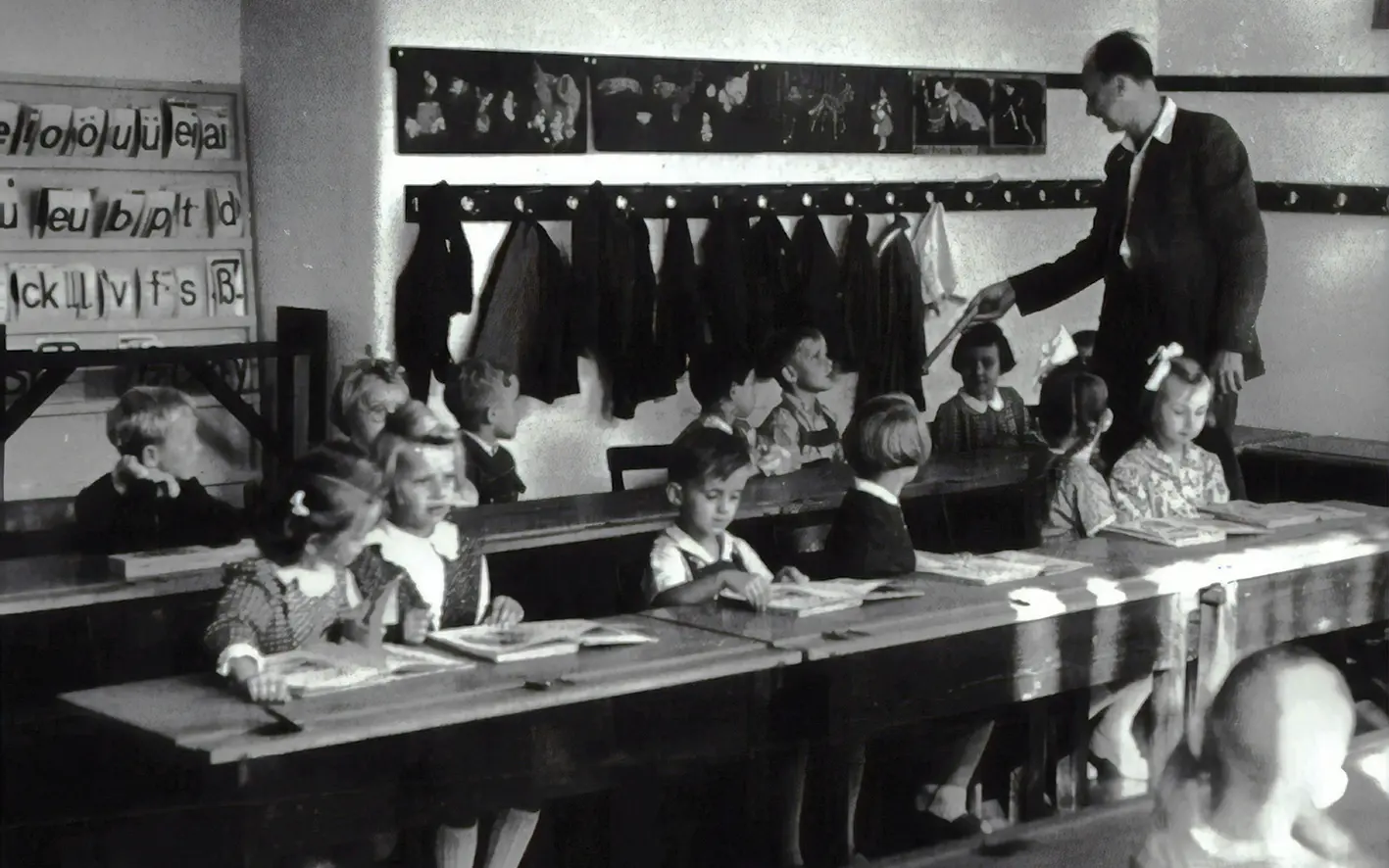
With that in mind, Fred takes the time to pick up Jim’s homework and visit him in the hospital. During the visits, Jim sees a side of Fred no-one else had and when he returns to school, he and Fred have formed enough of a bond that Jim takes Fred under his wing. Fred learns how to be confident from the popular football player and that confidence helps Fred have a good high school experience.
the TV era
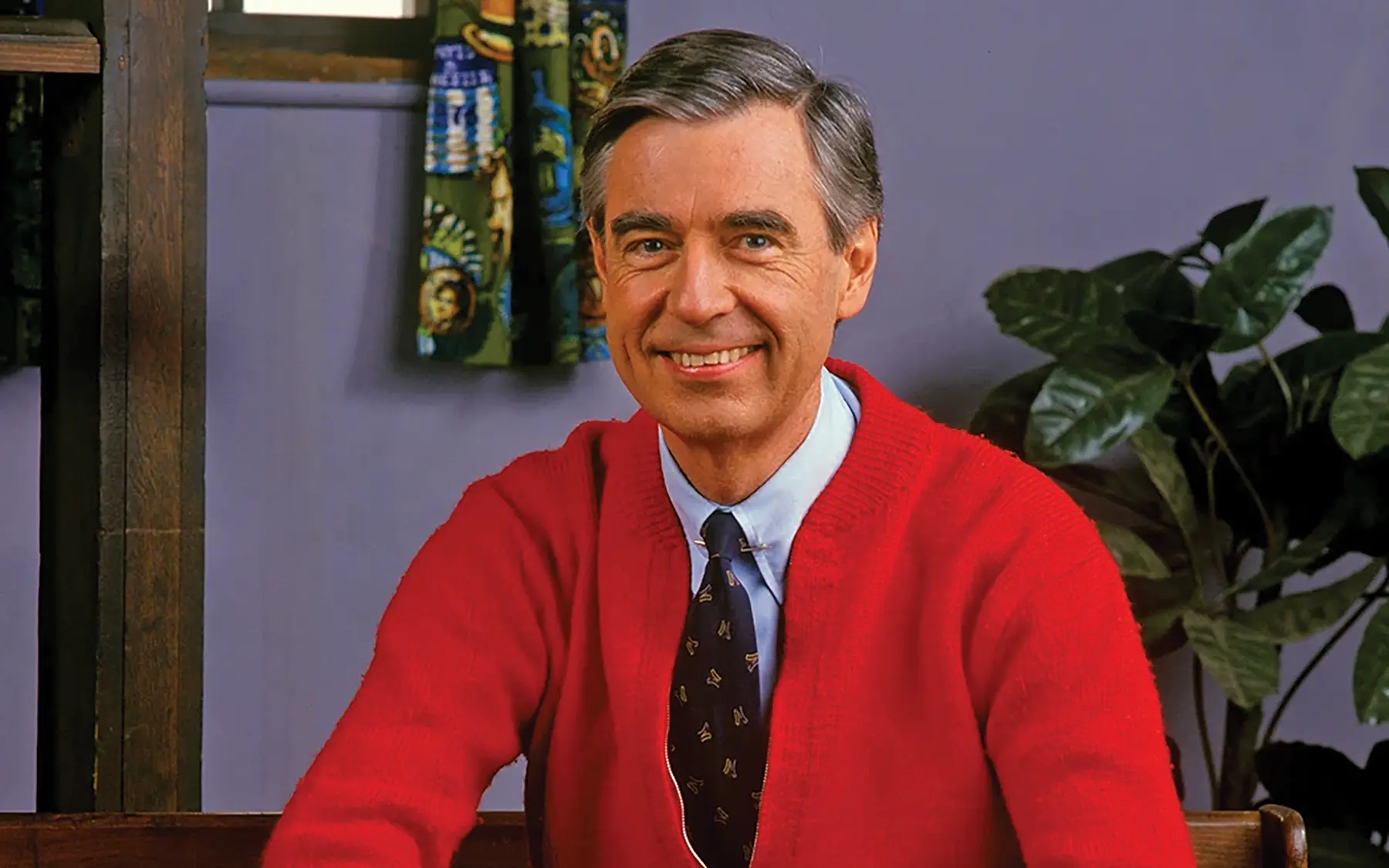
Once the mandatory schooling years were over, Fred went to Rollins College, Florida, where he studied musical composition. One day, on a visit home to his parents, he saw a new technology: television. Fred was concerned because the people on the TV were throwing pies at each other: not a good example of behaviour for children. He wondered whether there was something better that could be done with this new invention that would soon find its way into the homes of most people in America—and many other countries. With this in mind, Fred Rogers began to pursue a career in television. His first job was as an assistant and floor manager of the music programs for NBC in New York City. It isn’t long before an opportunity presented itself and he moved back to the area where he had grown up to help found WQED in Pittsburgh—the first community-supported educational TV station in the country. There he became a co-producer, puppeteer and organist for a show called The Children’s Corner. Fred still felt he needed to reach a little further, so he began attending a Seminary where he obtained his divinity degree as well as graduate studies in child development. When he was ordained as a Presbyterian minister, he was given a special charge to serve children and their families through television.
I’d like to be remembered for being a compassionate human being who happened to be fortunate enough to be born at a time when there was a fabulous thing called television that could allow me to use all the talents that I had been given
fred rogers
making history
In 1963, shy Fred Rogers moved to Canada where he stepped in front of the camera for the first time to become the host of a children’s program. Then in 1966, he returned once more to live close to where he grew up and launched the show for which he is best known: Mr Rogers’ Neighborhood. The show was such a success that it aired nationally in 1968. It was here that he truly found the career he had always wanted—a place where he could help children and influence people from all walks of life to be kinder to each other. Rogers’ show felt like a talk with a good friend. Rogers first and foremost wanted everyone to know that they are special and unique—not simply worthy because of their potential, but exactly as they were.
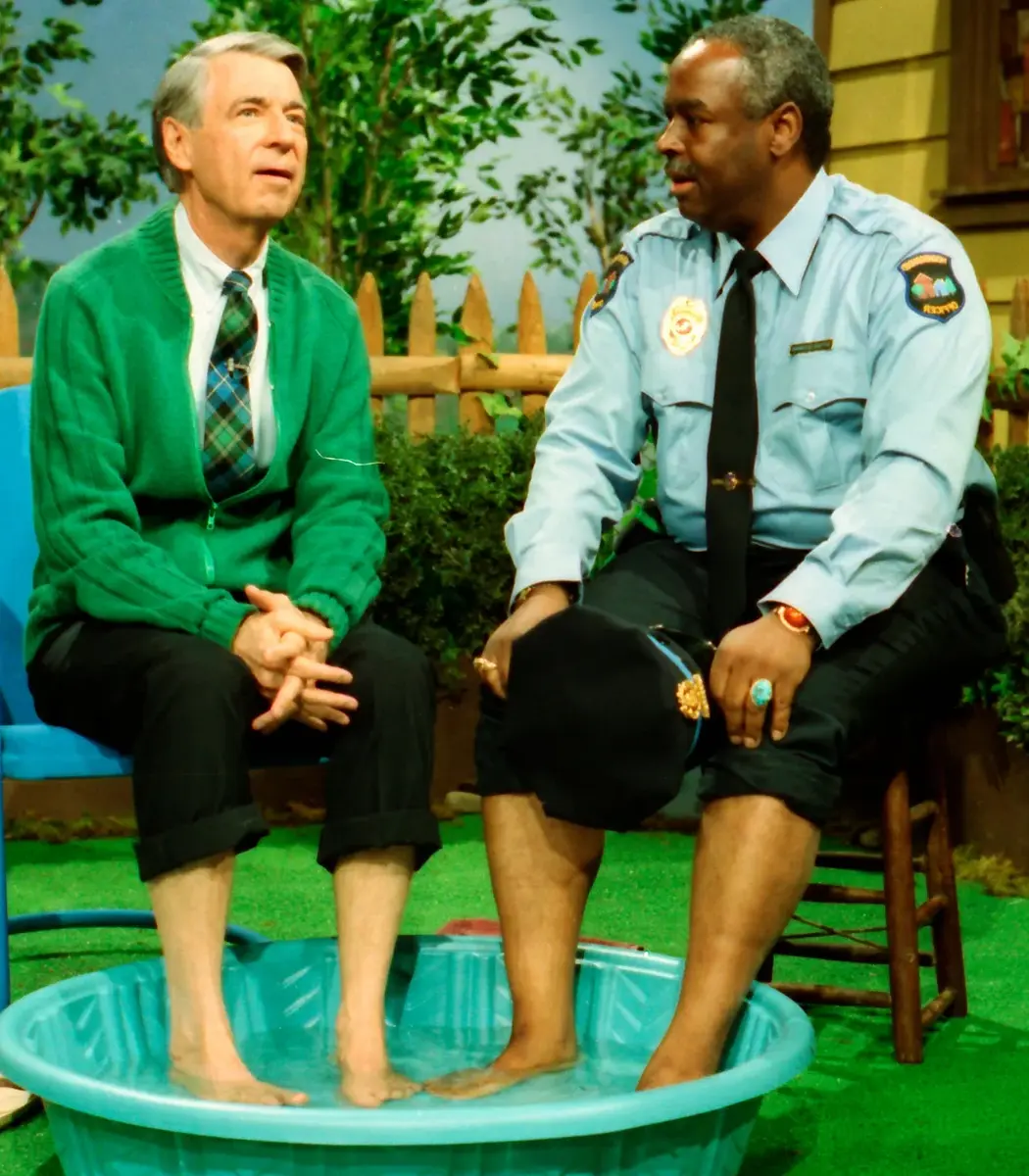
In a time in American television where diversity was not embraced, Mr Rogers demonstrated that everyone was equally valuable by hiring a diverse cast, as well as inviting guests of different ages, genders and ethnicities. This was done in the same gentle way that he did everything else. Rogers didn’t want it to be a big spectacle; he simply wanted to include the people whose talents would best suit the show. It didn’t matter to him whether society saw them differently. Rogers was a great believer in leading by example, but he also felt that it was important to be able to talk about all kinds of things. There were easier topics such as curiosity—ensuring children know that it is a perfectly natural thing to feel and can lead to some wonderful things. But, also that curiosity without caution can lead to danger. But Rogers didn’t stop there. He also talked about heavier subjects such as death and sickness—subjects that were often not spoken about with children in those days. Each topic the show covered, whether happy or sad, light or heavy, was treated with equal care and thoughtfulness so that it could reach and teach as many people as possible.
Fred’s legacy
Fred Rogers retired at age 73 after hosting all 895 episodes of his show and composing more than 200 songs. From a young age, he chose to practice kindness on purpose and lived that principle throughout his career. Rogers’ legacy was of teaching others how to live kindness. Toward the end of his life, he made a simple statement that summed up who he was and how he will forever be remembered:
“I’d like to be remembered for being a compassionate human being who happened to be fortunate enough to be born at a time when there was a fabulous thing called television that could allow me to use all the talents that I had been given”