

Amid the creamy-white branches of the acacias, a summery breeze meandered, casting a variegated light upon the sparkling mountain. I sat in my folding chair, half in the shadow of the willows, immersed in the pages of a good book.
My mother slipped among the tall herbs, dozens of metres away, foraging for tender bundles of thyme. I was alone, on the border between two worlds: the real one, with the sun streaming over the mountain’s shoulders, and the one captured in words, no less enticing.
Suddenly, my gaze fell upon the neighbouring chair, now occupied by my mother’s lightweight jacket. That worn-out chair, still retaining her warmth in its rough fabric, became more vivid than all the beauty reflected in the river, willows and acacias. The chair next to me wasn’t empty, as it should have been. It held the weight of her jacket, while my mother moved briskly through the summer grass, promising to return.
the challenges brought by ageing parents
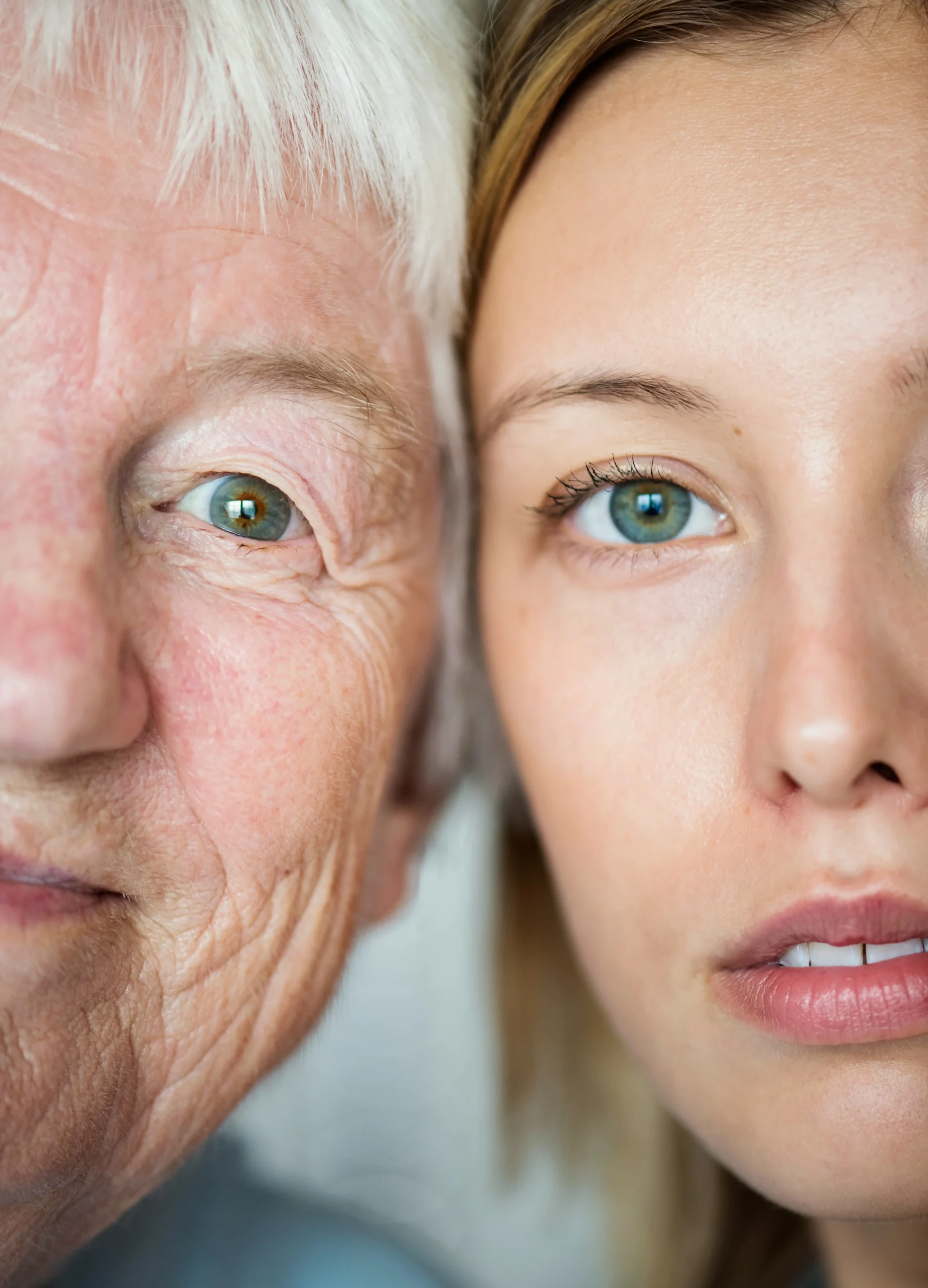
The value of a chair that doesn’t remain empty for long can only be fully appreciated by those who encounter their parents only in their memories. The flip side for those of us who enjoy our parents’ presence for a long time is that we become witnesses to their physical decline. This path of their fragility is experienced with a different intensity, akin to mourning, says psychologist Stephanie Krauthamer Ewing, who says a parent’s ageing equates to a child losing the status of a protected person and becoming a caregiver and protector.
The ageing of parents comes as an abrupt announcement that the roof built to shield us from life’s vicissitudes is about to collapse. We begin to separate the vital, seemingly immortal people we knew from their more fragile version, with slowing bodies, unstable joints and fragile bones. Fear, guilt and frustration often accompany this reversal, as adult children begin to assume their new role. Psychotherapist Maud Purcell says the intensity of these reactions is shaped by the quality of the relationship, our level of involvement and the patterns we use to respond to change and loss.
For those without a partner, siblings or a wide support network, this transition can be especially demanding, requiring resources beyond the family.
Ultimately, ageing parents mark the beginning of a turbulent stage because the stakes involve losing the relationship where the protector expects nothing in return from the protected—“Neither the certainty of shared feelings, nor the echo of your gestures in the other . . . where the lack of response, ingratitude, and vexation do not diminish one iota of the love for the other.”1
the last stronghold of childhood
As a child, I occasionally calculated how long my grandparents and I might theoretically have together. Yet I lost them without truly witnessing their decline. I noticed the greying hair, the lines etched on their faces, the tired stoop of their shoulders and the waning physical vigour, but they seemed frozen at a certain age. Each new decade changed little in their appearance or routine, while quietly undoing the future my calculations had promised.
Two decades later, I would come to discover that any sign, no matter how subtle, of my parents’ fragility left a much deeper mark on me, without age itself being a cause for concern. In the meantime, I had moved the threshold at which I suspected someone of ageing increasingly further, which explained even less the tightness in my chest as I kept score in the case of my parents who, already being in the sixth decade of their lives, had not, by all accounts, entered the true ageing grinder.
side by side
Speaking of a mother as one “who can take the place of all others but whose place no-one else can take”, writer Gaspard Mermillod expressed a truth whose reality we fully grasp only after losing our parents.
Somehow, the way we love our parents must resemble the way we love our children—deeply, sharply, toughly and tenderly, until the heartstrings are about to snap, only to realise we haven’t loved them enough. Too often, we fail to make love pierce through its shell and shine in all forms that could make a person feel cherished to their core.
The paths of ageing are countless, as are the ways of accommodating it, which is why it seems difficult to prescribe a recipe for those who want to support their parents on this journey. However different we may be, the way we convey affection and appreciation inevitably intersects with the time we devote to our parents and the depth of our communication.
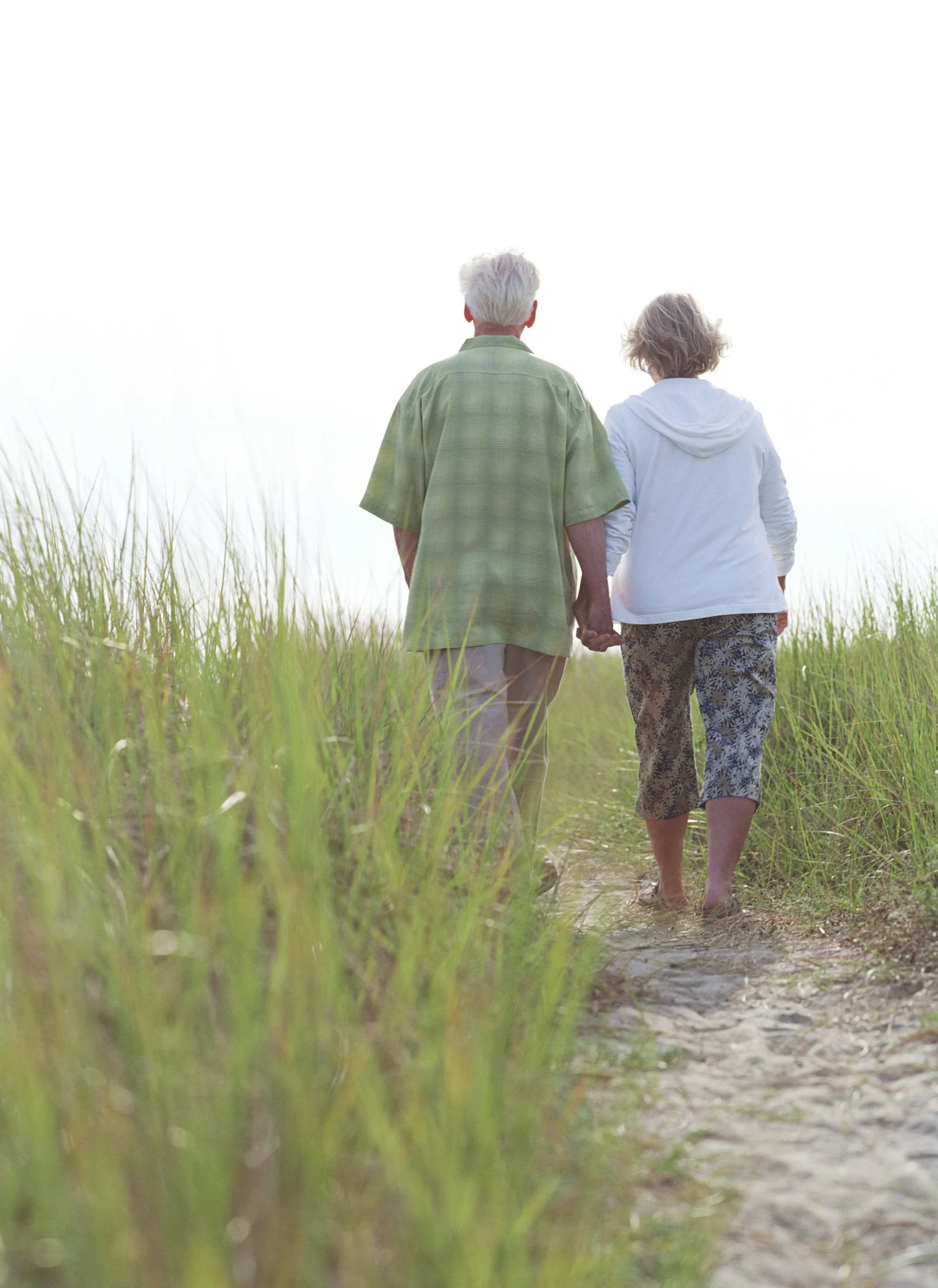
In a century of haste, we often lament not having a privileged relationship with time, but surely there comes a day when we’ll yearn to have spent more time with our parents. Whether it’s sharing dinner, looking through old photo albums, accompanying them to the doctor or helping them navigate modern devices, the greatest gift we can give them is our time.
The first signs that our parents are slipping down the ageing slide give us the privilege of building from the remaining time an enclosure where we celebrate what we have. It is a time in which to honestly discuss with them the challenges of this stage of life, to address difficult topics related to the past or future—“It’s the things we haven’t said, that we haven’t asked, that do us harm,” psychotherapist Julia Samuel says—to mend relational fractures, where they exist, and to leverage their experience and advice, restoring to them the sense that they are useful and appreciated.
I’ve replayed in my mind many times the last encounter with my maternal grandmother, during a weekend when I read too much and spoke too little, even though we shared the same room. A few days later, she was gone, taking with her stories, recipes and advice that had been, for two decades, only a question away. As long as our parents can communicate, it is never too early to listen carefully to what no-one else could tell us—and to tell them how much joy their presence brings us.
Speaking of transparent communication, ageing expert David Solie emphasises that the most important expectations of elderly parents from their adult children are quite reasonable: they want to be listened to when they share what they believe, to be taken seriously and to feel supported by their children.
Gratitude is an essential ingredient for strengthening relationships, especially when the time comes to care for an elderly parent, says Cynthia Ruchti, author of the book As My Parents Age. If there is ingratitude at both ends of the relationship or animosity among siblings regarding caregiving issues, then the final stretch of the relationship will be poisoned by resentment. However, gratitude for every moment spent with the parent in this season of vulnerability brings a harvest of kindness and fulfilment that transcends the boundaries of this process.
The ageing of our parents sends us through a door that opens too soon, into a reconfigured world where we learn lessons we wouldn’t otherwise have access to: lessons about the blessings that pulse even in the fabric of loss, about vulnerability, dependency and relinquishing selfishness. And, last but not least, about not letting ourselves be restrained by the past or future but learning how to live in the present with gratitude, hope and service.
- Gabriel Liiceanu, Ușa interzisă (The Forbidden Door). Humanitas, Bucharest, 2007. ↩︎