
March 3, 2017: it was a day I had been looking forward to for months. Well, years actually but that date had only been confirmed months earlier. If you recognise this date, then you’re probably a geek like me—and that’s cool!
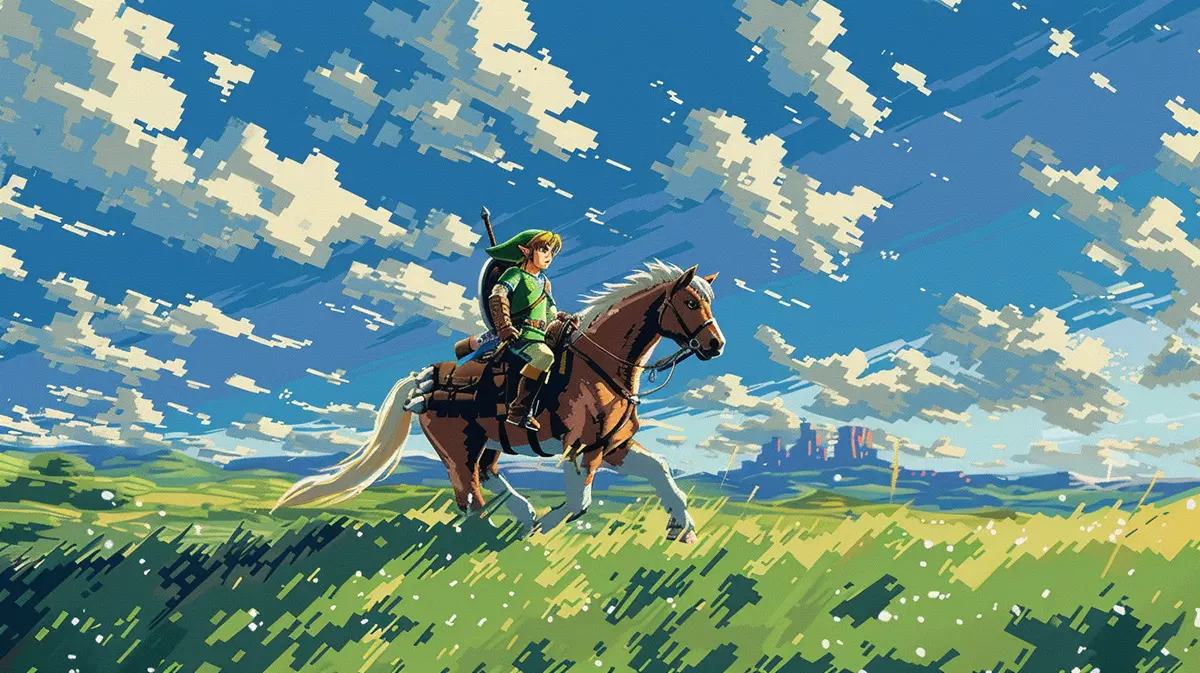
March 3, 2017 was the release date for the much-anticipated new entry in Nintendo’s The Legend of Zelda franchise. This brand-new entry was titled Breath of the Wild, and it was looking to shake up the formula in some huge ways. While not everyone is interested in video games, Zelda is hugely popular. If you’ve never heard of it, chances are high that you have a family member who has.
I don’t have a lot of time for video games in my life, but Zelda is an exception. I was committed to dive into this world again. I won’t go into all the details of Zelda’s history, but there was one pivotal difference between this entry and others in the series that stood out to me. I’m talking about the soundtrack.
Every Zelda game has its own musical identity, but Breath of the Wild took a bold approach—embracing silence. Often during the game, you will frequently just hear a soft melody on a piano that is so quiet, you’ll be able to distinctly hear your character’s feet running through the grass, your sword and shield bumping together, birds in the trees and even wind blowing through the fields.
Personally, I thought this was really clever, subversive and well done. Nintendo’s reason for taking the soundtrack in this direction is because Breath of the Wild takes place in a vast, open world mostly made up of empty wilderness and dilapidated ruins. What’s interesting is that when you enter more populated areas, the soundtrack picks up, becoming more upbeat and orchestral. When you are in a battle, it can get intense.
As I played the game, I had a realisation: Breath of the Wild had better pacing than my own life. I was so used to constantly driving myself to get more done, rushing from this to that, that I often felt uncomfortable in the silence this soundtrack often forced me into.
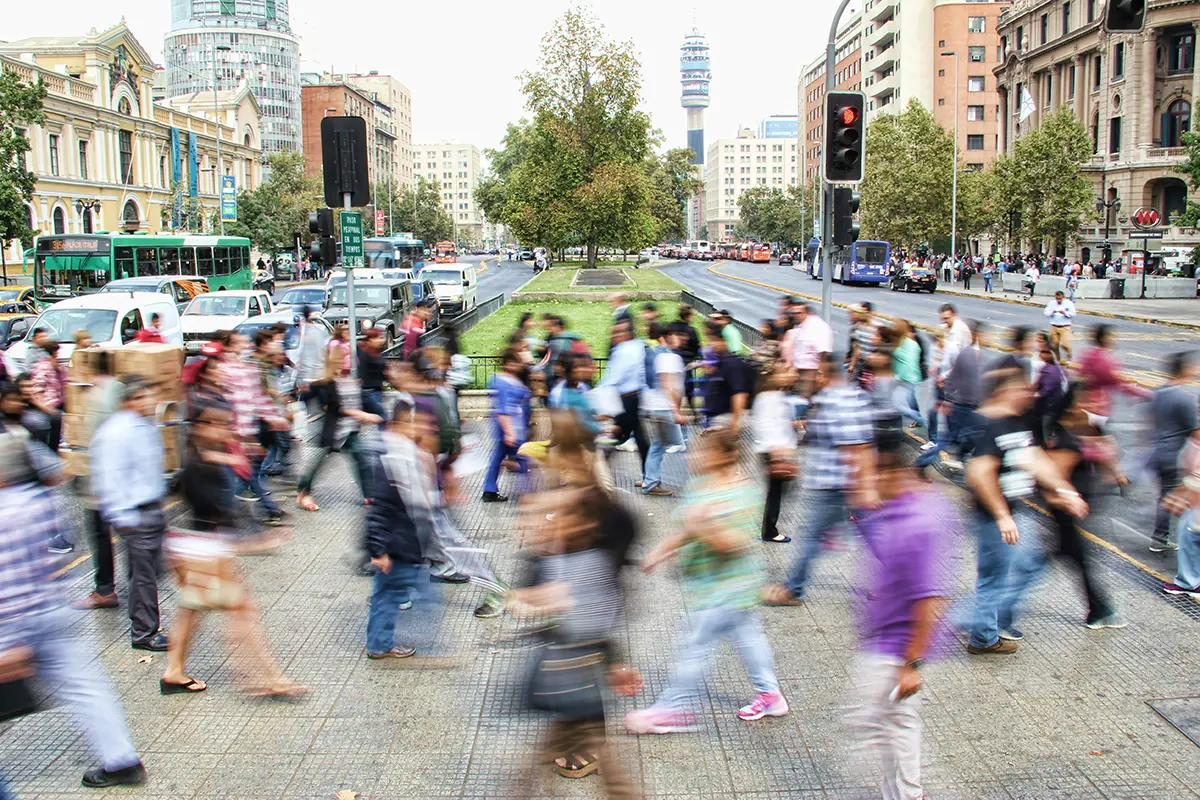
I was so used to traditional soundtracks that constantly kept driving me through the game to cram in as much dopamine as possible that I had carried this ideal into my everyday life. I was constantly trying to cram more into my schedule, pushing myself to be more productive, to achieve more. I couldn’t go for a drive, a walk or grocery shop without trying to cram in a podcast or audiobook to make sure I was even using my downtime to be effective or at least learn something new.
the productivity trap
Wanting to be productive is not bad, but it can so easily spiral out of control. I can do my banking, check my emails, shop online, message people and watch whatever TV shows or movies I want at any time of the day. I can go to the gym or shops at any hour of the day—or night. In fact, not too far from my house, a 24-hour automatic tanning salon just opened. I had no idea the world needed this business model, but apparently there must be a group of people crying out for 2am tanning sessions.
The world needs to learn how to take time to stop. I need to learn how to take time to stop. One ancient practice that has consistently helped me is the Sabbath. It comes from a Hebrew word which literally means “to stop”. After the ancient Israelites were freed from slavery in Egypt, God had to teach them how to live like free people again. Part of this was learning to stop, which to a people who had been in slavery their entire lives, would have been incredibly counter-cultural.
This is what they were told:
“Remember the Sabbath day by keeping it holy. Six days you shall labour and do all your work, but the seventh day is a sabbath to the Lord your God. On it you shall not do any work, neither you, nor your son or daughter, nor your male or female servant, nor your animals, nor any foreigner residing in your towns. For in six days the Lord made the heavens and the earth, the sea, and all that is in them, but he rested on the seventh day. Therefore the Lord blessed the Sabbath day and made it holy.” (Exodus 20:8–11)
Every week from sunset Friday to sunset Saturday, they were called not to do any work. Not even their servants or animals could do any work. To people who had never stopped working, this must have been good news.

I feel fortunate to have been raised in a home where I was taught to observe the Sabbath, but it’s something I’ve been relearning in each season of life. In school, embracing Sabbath rest was easy. I didn’t have much on my plate and didn’t need an excuse to not do homework on the weekends. When I got to university, I really started learning what it meant to force myself to stop for 24 hours. Now I have kids and a busy job, taking time to really observe the Sabbath is only possible if I intentionally build it into my life. To keep it simple, here is what I try to do in that 24-hour period each week.
Stop: I don’t do anything I would class as labour unless it is absolutely essential to do during that time, or it is a blessing to someone else.
Rest: Along with stopping my work, I try to actually rest too. I strive to not even think about my work, money or anything else that is part of my regular life.
Worship: I take time to focus on God, to celebrate who Jesus is and what He has done for me. I remember that I am loved by Him and that He is a good God.
Enjoy: I make time for fun on the day! It’s not meant to be a burden—but a gift. Enjoy it. Eat some good food, go somewhere beautiful, whatever it is.
Gather: I carve out time to gather with my spiritual community, my family and friends. Sabbath is always better together.
In a world that is telling you to just “go go go”, maybe it’s time to carve out some time to just stop long enough to listen to the world around you again. Take a note from Breath of the Wild and incorporate some silence into the soundtrack of your life. If you still need convincing, let me leave you with one of my favourite quotes about Sabbath from pastor and author, Eugene Peterson.
“Sabbath is the time set aside to do nothing so that we can receive everything, to set aside our anxious attempts to make ourselves useful, to set aside our tense restlessness, to set aside our media-satiated boredom. Sabbath is the time to receive silence and let it deepen into gratitude, to receive quiet into which forgotten faces and voices unobtrusively make themselves present, to receive the days of the just completed week and absorb the wonder and miracle still reverberating from each one, to receive our Lord’s amazing grace.”