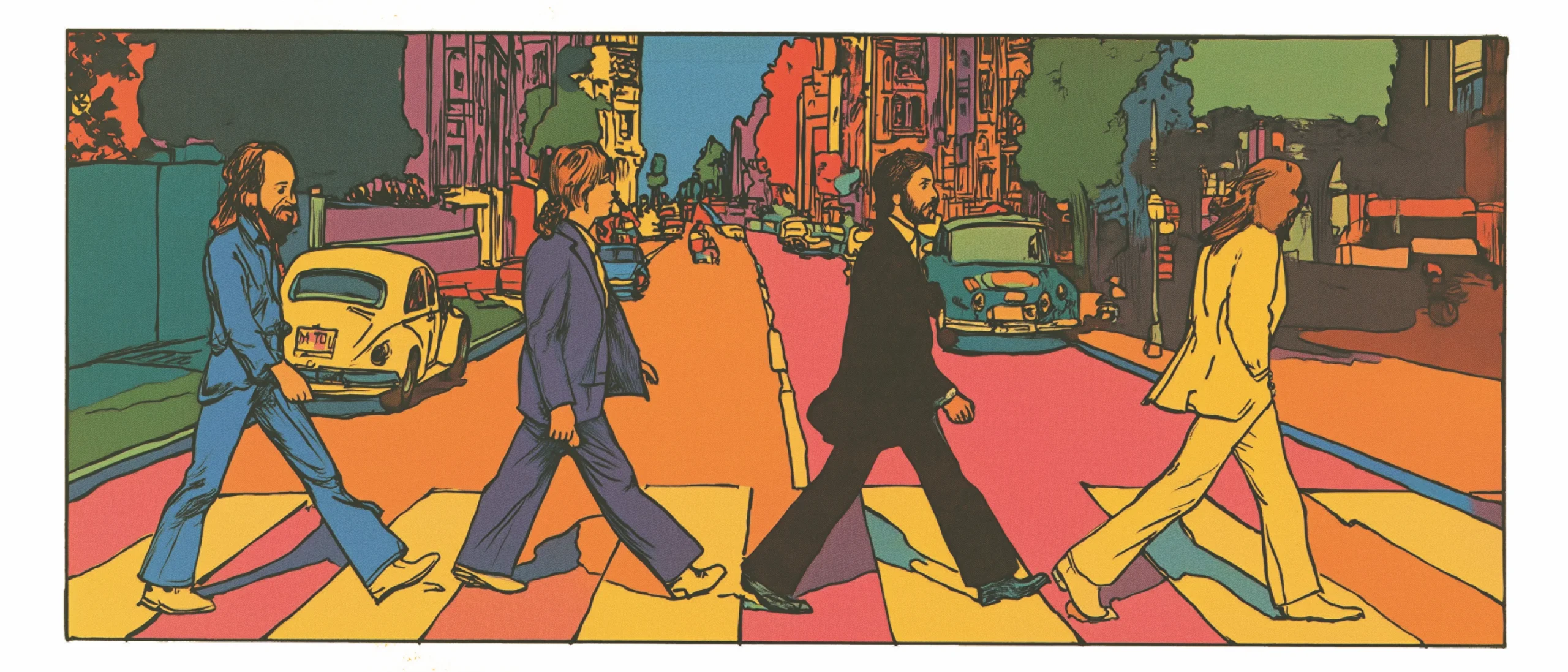
I’ve never been a Beatles fan. The scratchy records, the now archaic rhythms and the mass hysteria still don’t appeal to me. But there’s no denying that the Beatles have been one of the most powerful forces in musical history.
Twenty-five years ago they burst onto the international scene with “I Want to Hold Your Hand”. Since then their influence has extended beyond the field of music to the very structure of society itself.
Musicians have often wielded more power than governments could have dreamed possible. The Beatles are a classic example. Knowingly or otherwise, they turned “music as a social force” into an art form.
“Liverpool! What’s from Liverpool?” retorted music publisher Dick James when the Beatles’ producer, George Martin, told him that he had recorded a group from there. Few people could have made that comment a couple of years later.
The four Beatles were similar in many ways. They came from the same provincial city. For the most part, they came from struggling families during a time of relative poverty in the area.
They brought together a strange combination of personality, rebelliousness and musical skill.
John Lennon especially had a disturbed childhood. Living with his aunt most of the time, he always felt rejected by his parents. Their marriage had ended when he was one-and-a-half years old.
He was an imaginative and intelligent teenager—but his talents weren’t directed towards schoolwork. He failed every subject.
After an unacceptable high school education, he went to art school, where he was similarly unsuccessful. However, during this time, significant things were happening. John began playing the guitar and singing in a local “skiffle” band.
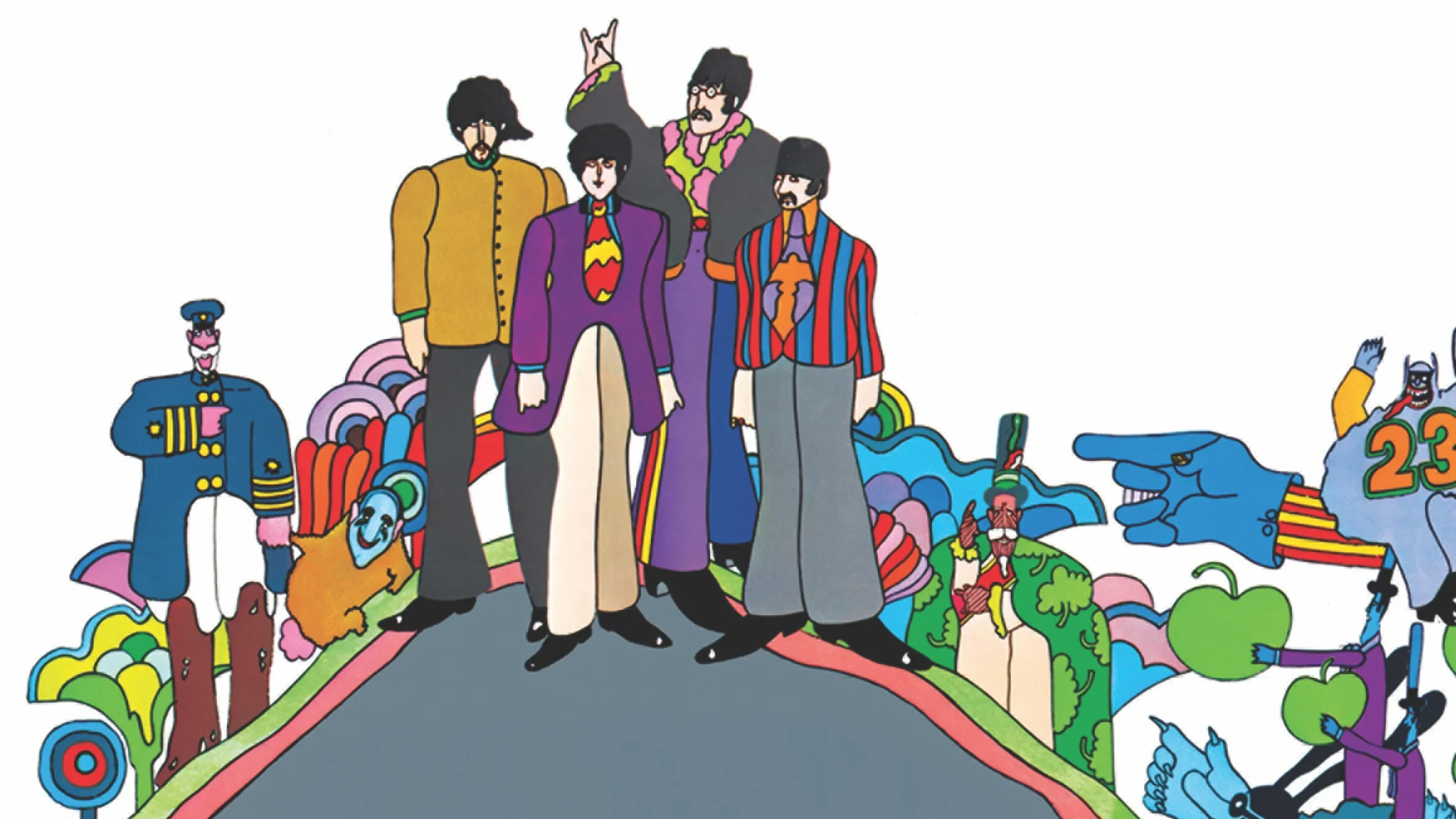
He also met Paul McCartney. Paul came from the same area but remembered a happy childhood in a typical middle-class family. He had a stylish and easy manner with people. He was also good-looking and became the romantic idol in the group.
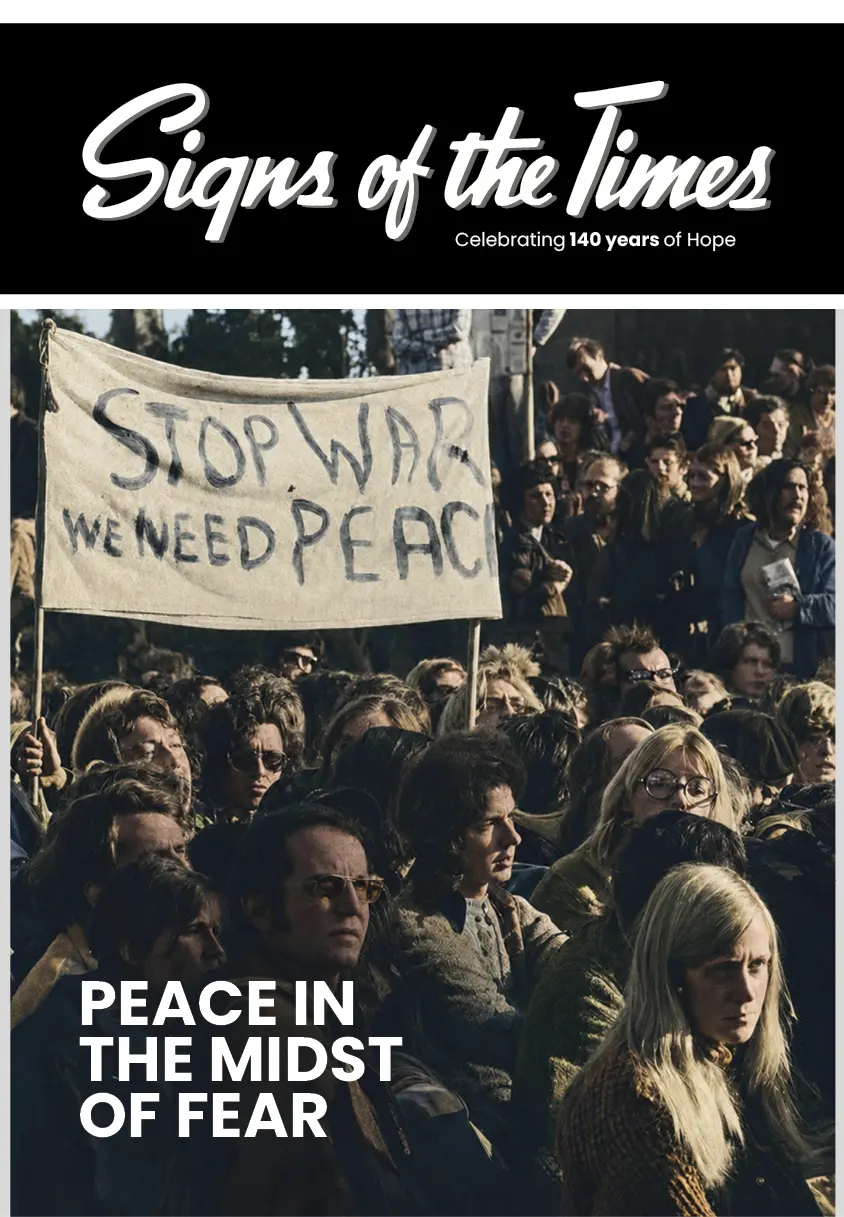
Socially, the 1960s were a time of upheaval. The Western world was beginning to abandon many values held dear since the Industrial Revolution. Vietnam, the first human in space and the Cold War were the major events.
People publicly promoted anti-establishment beliefs and lauded anti-establishment actions. It was into this scene that the Beatles exploded.
By 1963, Beatlemania was firmly entrenched in Europe. In 1964, it hit America. Radio DJs played Beatles music almost continuously. Other record companies complained that their music had become like advertisements between Beatles recordings. On February 1, 1964, “I Want to Hold Your Hand” went to the top of the US charts.
The youthful US president, John Kennedy, had only recently been assassinated when the Beatles did their first US tour. Most of the music industry expected the group to be a mere novelty, despite their astounding success in Europe.
No-one was prepared for the thousands who met them at Kennedy Airport. Older Americans were amazed and disgusted as they listened to minute-by-minute radio reports of the Beatles’ movements.
The Beatles appeared on TV—and no major crime was reported that involved a teenager during that first appearance.
Thousands of frenzied teenagers, fainting masses of budding femininity and a press hungry for a story swarmed the Beatles as they toured. The police had such problems controlling the crowds that some officers accused the Beatles of hiring fans to create a nuisance.
Their 1964 world tour met with similar success. In Adelaide, 300,000 people—more than a third of the city!—turned out to see them. They lined Anzac Highway from the airport to the hotel.
This tour, which finished in the US, started them on the downhill road. Though they enjoyed the power of it all, they weren’t ready for the fame, wealth and success.
They turned to drugs and alternative lifestyles to help them cope. The Beatles became prisoners of the fans they had created—prisoners of their own fame.
In 1966, only two years after they had made it to the top, they decided not to tour anymore. They continued to record together and tried to hide their personal differences. But without the camaraderie that came from touring together, each began to do his own thing.
Their film A Hard Day’s Night portrayed an exaggerated day-in-the-life of the Beatles. Their last film, Let It Be (filmed beginning of 1969), documented their break-up.
By 1970, the Beatles were no more.
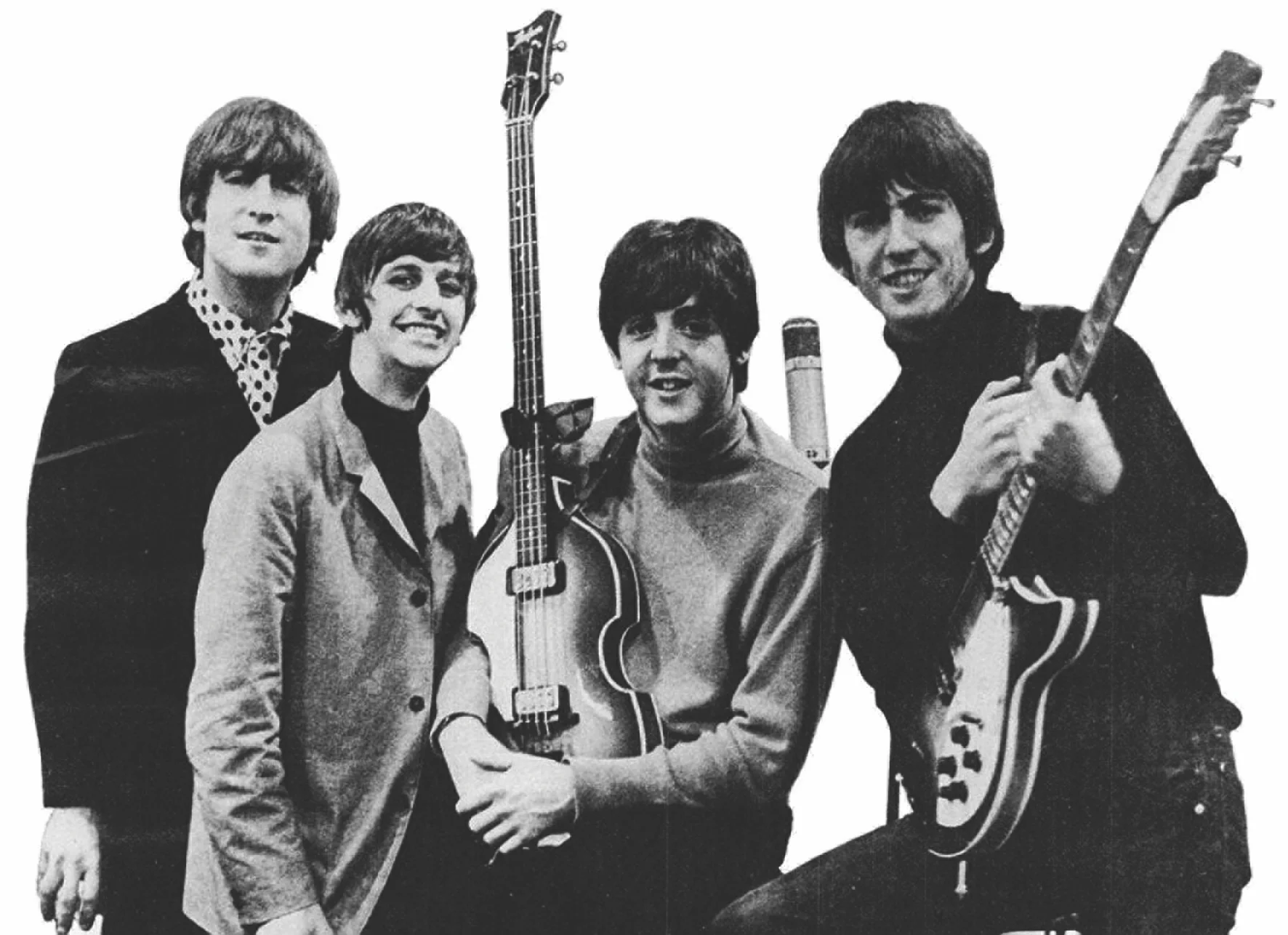
John Lennon’s subsequent death made it impossible for the Beatles to exist again. Only the music and the memories lived on.
But what was it that made the Beatles a success? No doubt there were many factors. The music was unique. They projected a different image. There was little real competition.
But at their concerts, few heard the music over the swollen roar of the crowd. The teenagers didn’t go to sing or listen. They went to faint and fall in love.
Despite the drugs and often blatant promiscuity, the Beatles maintained the image of being “good boys”. In a way, people looked for a messiah—and they found one in the Beatles.
It got them into deep water, but John Lennon was probably correct when he said that their popularity was greater than that of Jesus Christ. Beatles concerts held a greater attraction than churches did, if attendance is any indicator.
Those living through the Beatles era had their problems, but the Beatles’ songs offered answers on a personal, if somewhat shallow, level. The religious institutions of the day were mostly reactionary and were not seen to be providing any real answers.
We still see the same thing. It’s only a wish we know won’t come true when we sing “We Are the World”. And religion is still portrayed as providing nothing more than a comfortable escape.
In the 1960s and 1970s the problems had answers. We felt we had it in our power to right wrongs—it was simply a matter of searching out the right answer.
The 1980s are different.
The Beatles no longer sing. The search for answers has all but died. After decades of singing about truth, the full implications of relativism have hit home.
The search now is simply to make the best of a short life—to enjoy the toys. The attitude has changed. Now it’s, “Whatever answer you come up with suits me fine.” Those who’ve gone before have searched and produced so few answers that it’s assumed there are none.
It’s an attitude that says, “There is no truth. And whatever you choose as your truth is true enough for you.” Or is it?
It’s to this world, a world that has all but stopped searching for meaning, a world that dulls its senses with cocaine and Formula One—that Christianity must address itself.
Now, more than ever, true Christianity has relevance. It still provides answers. It has the answers that the Beatles seemed to promise—yet failed so dismally to give.
True Christianity has little to do with either the reactionaries on the right or the radicals on the left. True Christianity provides peace, not war; freedom, not condemnation. It provides hope. It provides true happiness. It gives love. It allows humanity to reach its fullest potential.
True Christianity says that humankind isn’t on this planet just to survive threescore and ten years of meaningless existence. True Christianity says we’re created to develop our full potential.
Such a life isn’t found through fame or fortune, power or prestige. The Beatles became victims of the very things they had preached against. Such a life is found through aligning our will with the will of our Creator. Christianity teaches that this Creator became one of us to show us how to live.
He came to give peace—not the peace sung about by pop stars—but true peace. To those weighed down with problems, He offers rest.
He taught how to get our priorities straight. To love people and to use things, rather than using people and loving things.
He came to show us how to replace the evil in the world with good. He gave up His own life in the most humiliating way so that every human life could reach their true potential.
And even better, the Bible promises that He’s coming again to make sure it works. That day will make Beatlemania seem insignificant.