

Indigenous people around the world have long understood something that modern societies often forget: humans flourish when connected to the natural world.
Today, many of us spend our days moving from houses to cars to offices to shopping centres. We’ve built towns and cities that have replaced trees with steel shading and natural streams with concrete fountains. For many people, time in nature now sits outside daily life—something reserved for weekends rather than something woven through it. Yet studies consistently show that time spent outdoors is linked to lower stress, improved sleep, reduced anxiety and stronger physical health.
a growing contradiction
While Australians overwhelmingly say they care about the environment, surveys suggest our sense of connection to the natural world has been steadily weakening—a shift researchers identify as a key driver of environmental decline.
In 2024, research from the University of Canberra found Australians who spent less time in nature were less likely to view environmental problems as serious and were less emotionally affected by them. Put simply, the less time participants spent in nature, the less they cared for it.3
a reciprocal relationship
Indigenous cultures have long understood that individuals and communities suffer when connection to land is lost, and land itself becomes sick when it is not cared for by its people. As Nantawarrina ranger Joelwyn Johnson said, “When we keep Country healthy, it sets us right too.”1
This is reflected in research from Arnhem Land in Australia’s Northern Territory, which found that people actively involved in caring for land experienced lower rates of obesity, diabetes, cardiovascular disease, as well as lower psychological stress and improved community wellbeing.
These findings might not come as a huge surprise. But with lives shaped by buildings, screens and busy schedules, it’s easy for our attention to narrow and our priorities to shift elsewhere.
Realistically, most of us won’t ever experience the same depth of connection to land as Indigenous peoples have had. But small acts can help us reconnect more meaningfully with the world around us:
- Learn the names of the birds in your neighbourhood
- Grow some herbs or plant a fruit tree in your yard
- Notice what foods are seasonal in your area
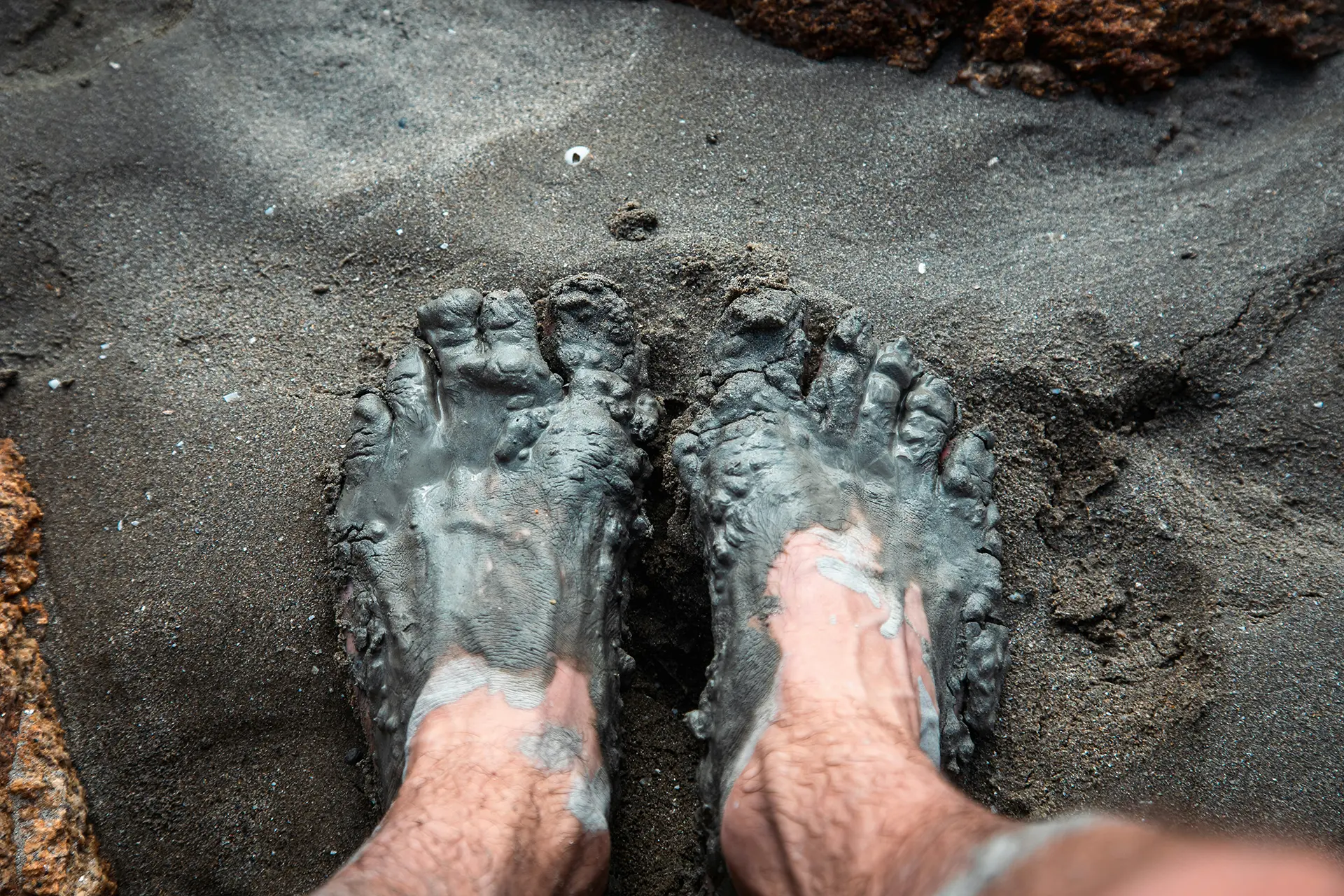
- Go for barefoot walks on grass, sand or soil
- Join a community garden
- Learn to identify native plants in your region
- Stay curious about Indigenous knowledge on land and nature
a shared world
Modern life has a way of insulating us from the natural world. Yet it is always moving around us—in the shift of seasons, lizards splayed out on sun-warmed rocks and fallen leaves piling in parks and yards. It’s easy to slip into thinking of it as something separate from us, something existing on its own. But Indigenous knowledge reminds us that that the natural world is not detached from us in that way. It depends on our care and attention to remain healthy, just as we depend on it for our wellbeing. Our response can be simple: to step outside more often, to slow down and look around.
- Country Needs People, Strong women on Country: the success of women caring for country as Indigenous rangers and on Indigenous Protected Areas, Canberra, 2016. ↩︎