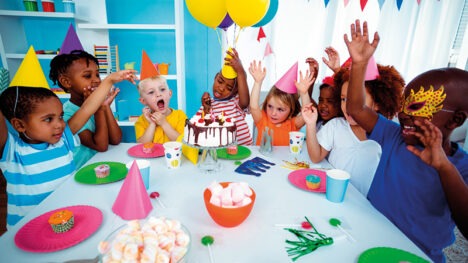

Children play, that’s obvious, but did you know it’s also “work”?
Play is how children learn about and make sense of the world. It is also through play that they grow developmentally and learn how to behave and interact with others. At the same time, when we play with our children, we form connection, build trust and develop a nurturing environment for them to thrive.
However, not all play is created equal. Children benefit from all forms of play, but it is through unstructured play that they develop creativity, problem-solving and social skills.
Structured play tends to be organised or led by an adult. It has a specific set of rules, it’s goal-oriented and is usually designed to develop a specific set of skills. Think group sports, extracurricular classes, board games or building sets that require following a set of instructions.
Unstructured play, on the other hand, is spontaneous and child-led. This is when they’re free to come up with whatever their imagination comes up with. Think inventing games and scenarios, running around the playground, playing with blocks or LEGO (that is not part of a specific set) or creating craft and artwork without overt instructions.
Here are some types of unstructured play and why you should encourage it:
1. physical play
This involves moving their body in some way. Climbing, throwing, running, jumping, skipping, dancing. Physical play helps develop their gross motor skills, building muscles, developing balance, improving coordination. It also teaches them spatial awareness (of their own bodies and the world around them).
2. imaginative play
While costumes are entirely optional, imaginative play is all about make-believe and pretend. It could be as simple as having a tea party with their dolls, to something far more extravagant, using blocks and other toys for complex world building, and developing a story arc with multiple characters. Besides fostering creativity, imaginative play helps children experience and explore alternative attitudes and personalities safely. It also grows their social skills as they experiment and learn how to interact with others.
3. nature play
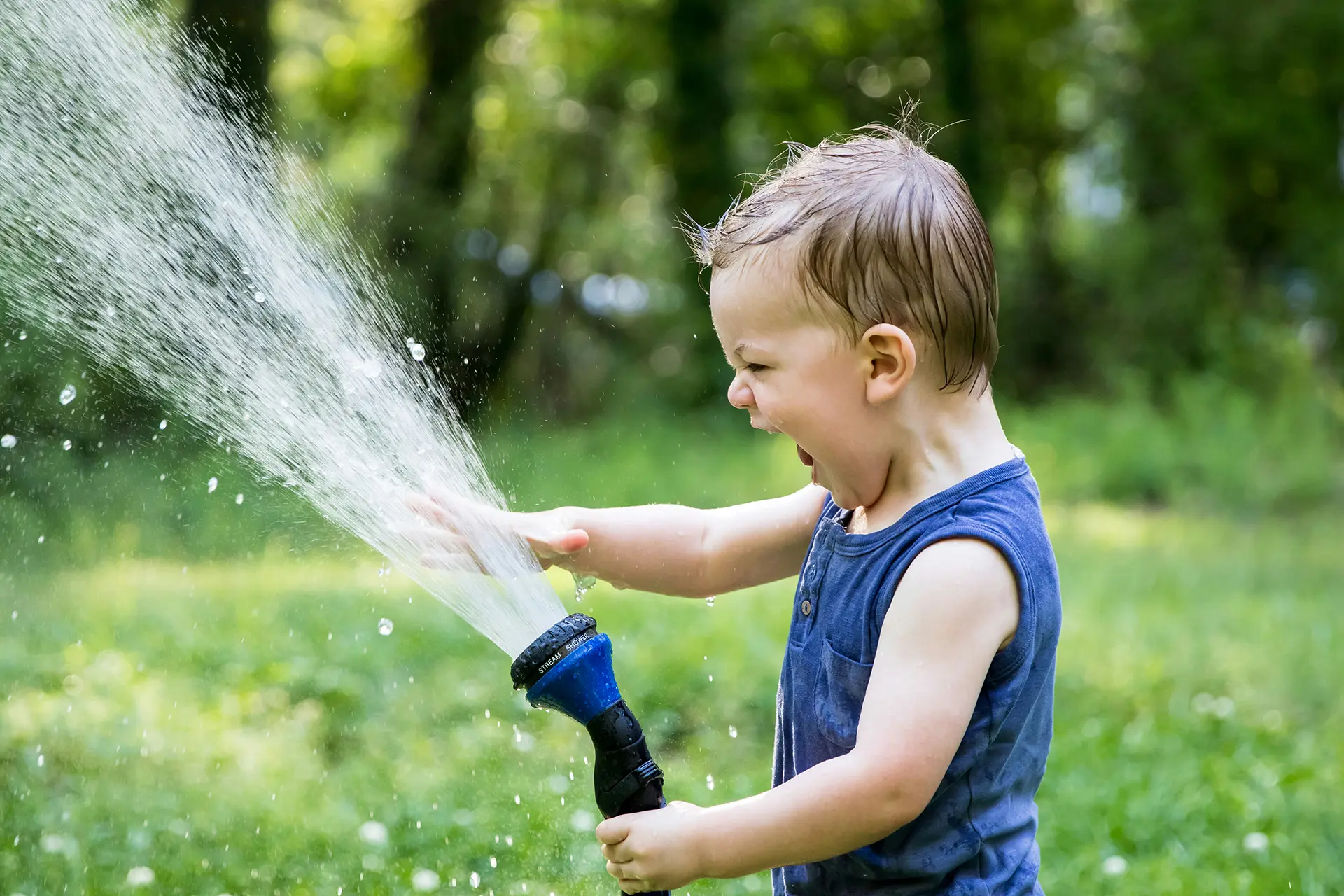
There is a piece of advice for parents dealing with children experiencing high emotions: Take them outside or give them some water. There is something to say about being in the outdoors or interacting with nature (such as playing with or bathing in water) that calms our nervous systems. Being outside also helps to promote healthy habits—most children will take the opportunity to run freely—and lays the foundation for environmental stewardship.
4. sensory play
Increasing in popularity in recent times, sensory play stimulates a child’s senses: sight, hearing, smell, taste and touch. A baby will put anything into their mouth even without encouragement. That’s because of the multiple nerve endings in their mouths which helps them learn about textures, shapes and tastes. Similarly, sensory play such as exploring an outdoor rock pool or playing with coloured rice, playdough or shaving foam, can do the same. It also enhances fine motor skills, paving the way for feeding themselves, writing, using scissors, buttoning clothes and tying shoelaces.