
Why do certain people leave lasting impressions on us? It is rarely just about what they have achieved—it is about how they achieved it and the quiet but powerful suggestion that we might do likewise. We see in their lives a kind of permission: a mirror that reflects not who we are, but who we might become.
For me, that recognition has been particularly meaningful. Growing up as a Pasifika woman, I had few role models who looked like me, thought like me or moved through the world the way I did. That absence was something I felt long before I had the words to name it. It was only with time—and distance—that I was able to sit with that gap and ask: what does a female role model actually look like? And more personally: who has shaped me, and how?
The women I admire are not all famous in the conventional sense. Some are known to many; others are celebrated only in specific circles and some exist only within my own sphere of life—women whose influence may never be documented, but whose mark is no less real. What unites them is not fame or status, but the way their lives speak to something already alive in us—a value, a longing, a way of seeing the world that we had not yet found the courage to claim as our own.
What these women share is that they managed to navigate their way through life, discover their calling and follow their dreams—either actualising their goals or living in a way that broke barriers, supporting the next woman to do better than they ever dreamed. They broke glass ceilings while improving and inspiring the lives of other women who looked on. The women I find inspiring usually have overcome adversity. They are the underdogs—the people others either overlooked or did not expect to win at life. Women, like me.
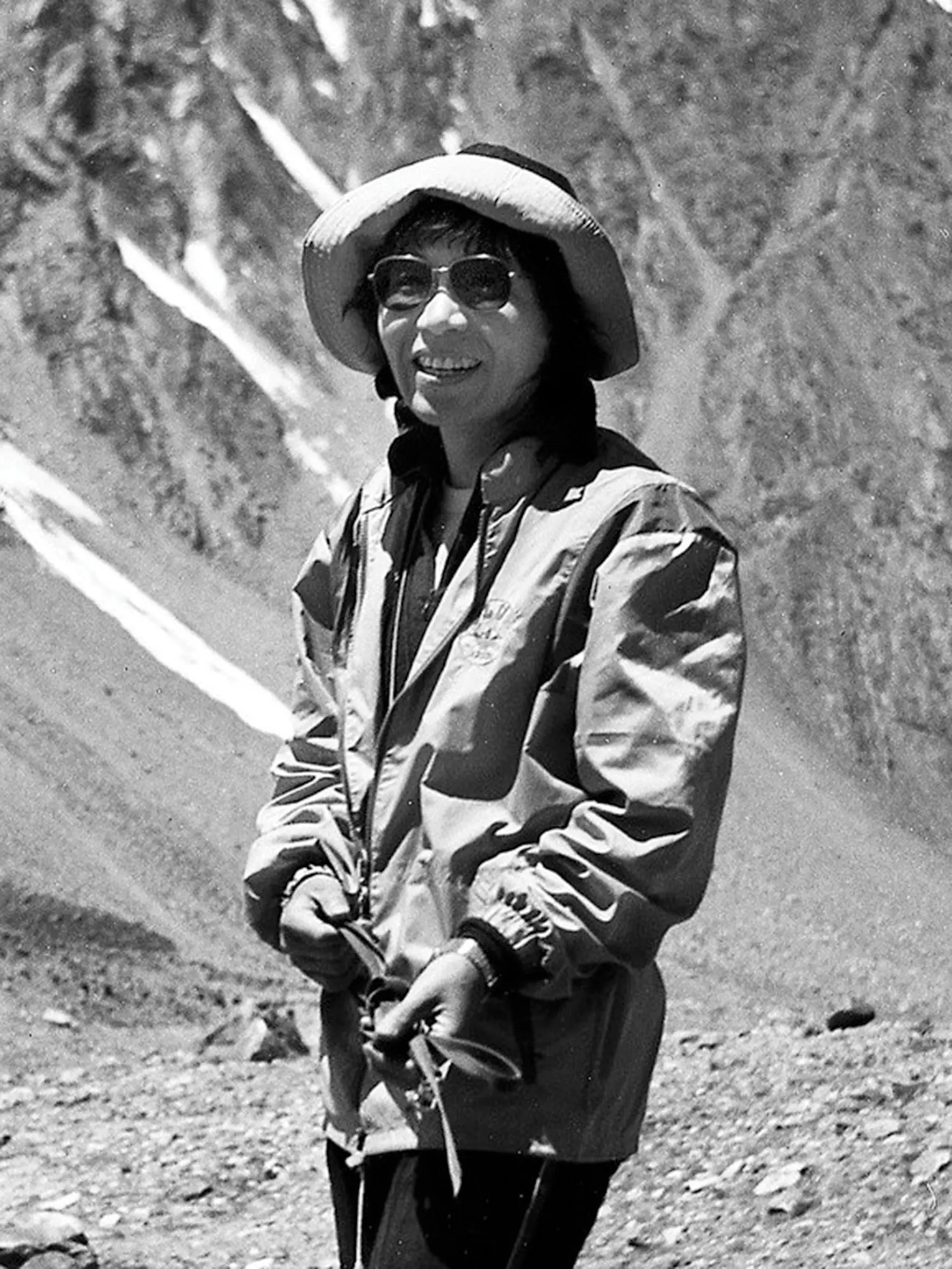
Take Junko Tabei, the first woman to summit Mount Everest in 1975. Growing up in mid-20th century Japan, she found her calling as a mountaineer early and pursued it for the rest of her life. She possessed the kind of tenacity that few others in her era had—a tenacity that gave her the spirit to overcome prejudice, sexism and self-doubt—and achieve what no other woman, and only a handful of men at the time had done.
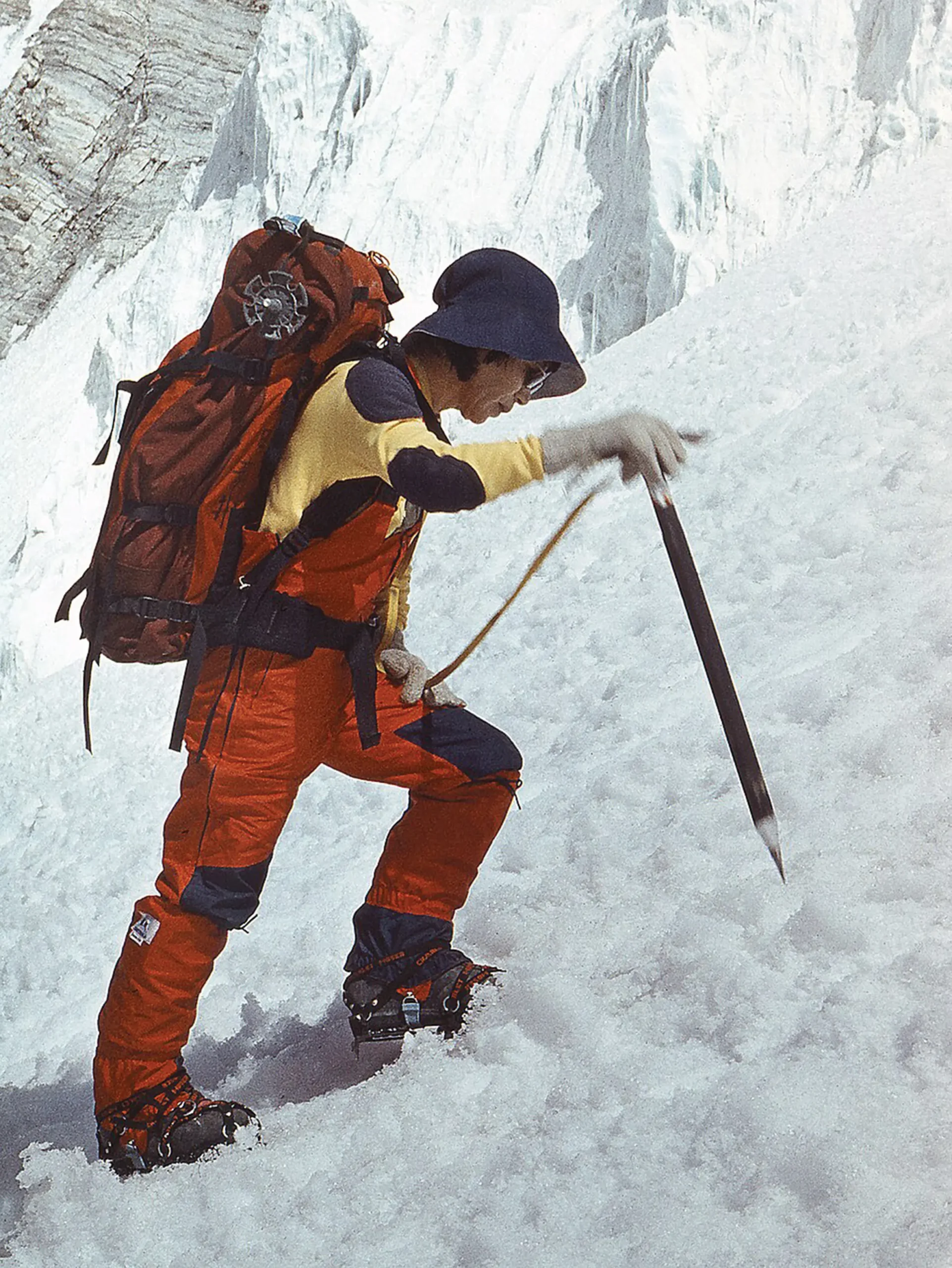
Tabei’s path to the summit was built on sacrifice long before she took a single step up the mountain. She and her team of 15 women spent years fundraising, making their own equipment and working extra jobs to cover costs. Tabei herself taught piano lessons, stitched her climbing trousers from old curtains and fashioned waterproof gloves from a car cover. Those they approached for sponsorship told them bluntly that women belonged at home, not on mountainsides. Undeterred, the team waited four years for a climbing permit and when it finally came, nothing would stop them from using it.
In reaching the summit, Tabei became something far more than a mountaineer; she became a symbol. In Japan, where women in the 1970s were only just beginning to push back against expectations that confined them to the home, her achievement landed with particular force. She proved, in the most visible way possible, that gender was not a ceiling—it was a barrier someone else had erected.
Tabei did not stop at the summit, either. In the years that followed, she turned her attention to protecting the mountain she loved, founding an organisation in Japan dedicated to preserving the Everest environment from the damage caused by the growing tide of climbers who followed in her wake. She passed away in October 2016, aged 77, having climbed the highest peak on every continent. What she left behind was not just a record but a road—carved through sheer refusal to be told “No”, so that the women who came after her would have a little less to prove.
Or take a lesser-known pioneer, but someone I deeply admire: Kate Lindsay. Lindsay was born in 1842 in Wisconsin, USA. Like Junko Tabei, the promise of a life filled with purpose was evident early on. Lindsay had an insatiable appetite for learning—something many would tell her was wasted on a woman.
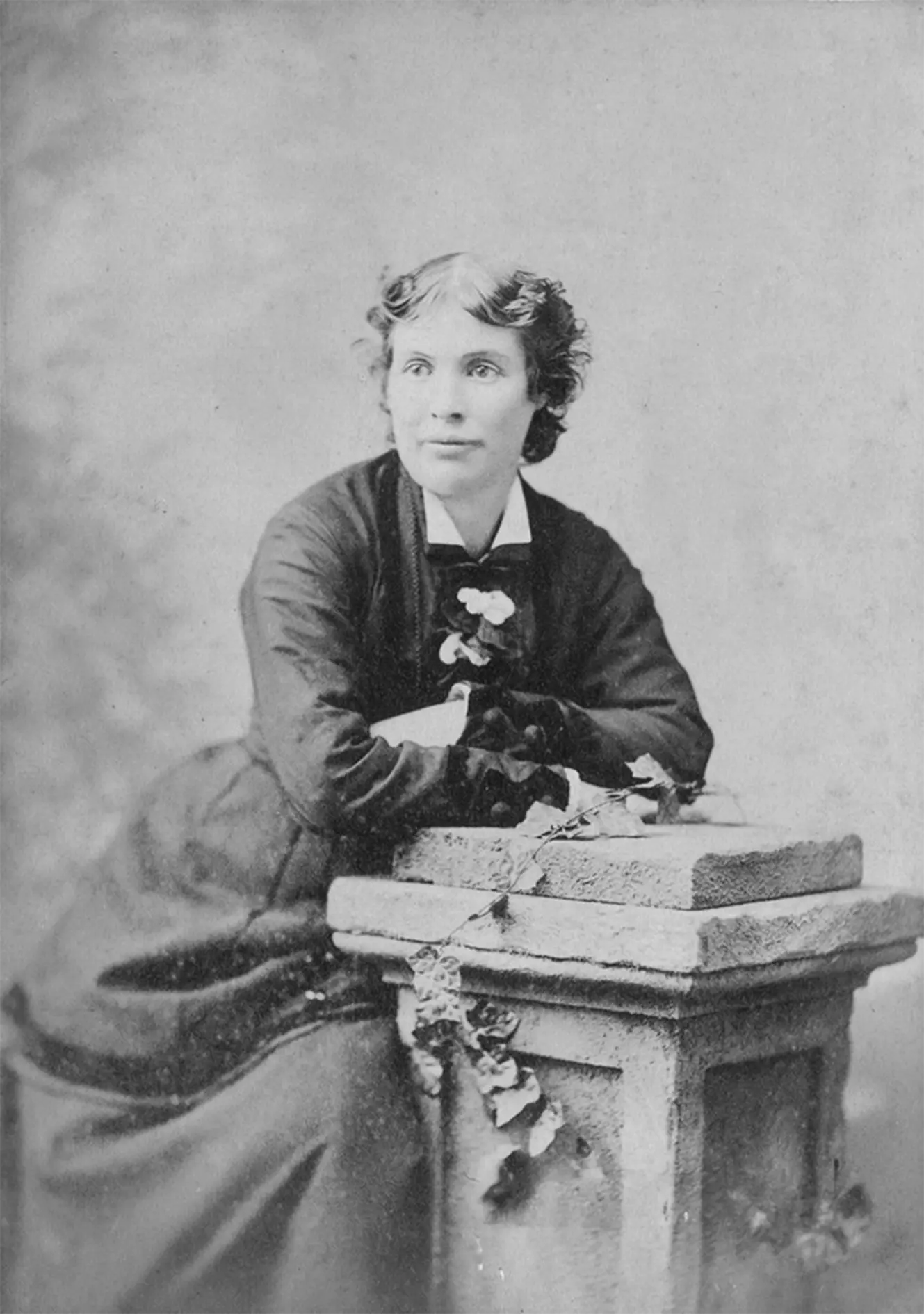
Her journey began not in a medical school but at the Western Health Reform Institute in Battle Creek, Michigan, where she arrived at the age of 25, determined to become a trained nurse. But nursing alone was not the full extent of her calling. Recognising that a trained female physician could fill a great need and that she would require further education to pursue her dream of training others, she set her sights on medical school—self-financing her entire education. She went on to graduate as the top student in her class from the University of Michigan, as part of only the second cohort the university had ever accepted female students into.
She did so against a wall of financial hardship, social isolation and institutional scepticism that would have caused many to walk away long before graduation day.
But credentials were never her endpoint. In 1883, she founded the first nurses’ training school at Battle Creek Sanitarium, turning her own hard-won experience into a ladder for other women to climb. She devoted 20 years to Battle Creek, building something that would long outlast her time there. Then, rather than settling into the comfort her achievements had earned her, she answered a further call—travelling to South Africa to do mission work at Claremont Sanitarium. The outbreak of the Boer War would eventually bring her time there to an end, but not before she had faced cultural, logistical and physical challenges that would have defeated many, and served those who needed it most.
What made Lindsay remarkable is that her obstacles were not only external. Like every pioneer, she carried internal burdens—doubt, isolation and the weight of having to represent every woman who came after her. Yet it was precisely those pressures that sharpened her sense of purpose.
Lindsay did not just survive the barriers placed in front of her; she used them as proof that they could be broken and made sure the path behind her was clearer than the one she had walked.
And finally, I look at my own dear mum—a humble and kind Niuean woman who never made it past primary school, began her married life in a part of New Zealand where the number of Pasifika families could be counted on one hand, and who managed to raise eight children—all girls—in a country where the food, language and culture were entirely foreign to her.
My father travelled a lot for work, so Mum had to manage all of us without the support of another adult in the home. She taught herself—thankfully with the help of a few kind ladies from church—how to sew, knit, cook and care for a large family during a time when modern conveniences were few: no washing machine, no telephone and, when Dad was away, no car either. My mum. My hero. My role model of endurance.
Watching her life and the quiet strength she poured into ours, led me to finish school, pursue a degree, then a postgraduate degree and ultimately to represent my culture and gender in ways that women of my background had never had the opportunity to do before—or even the space to imagine.