
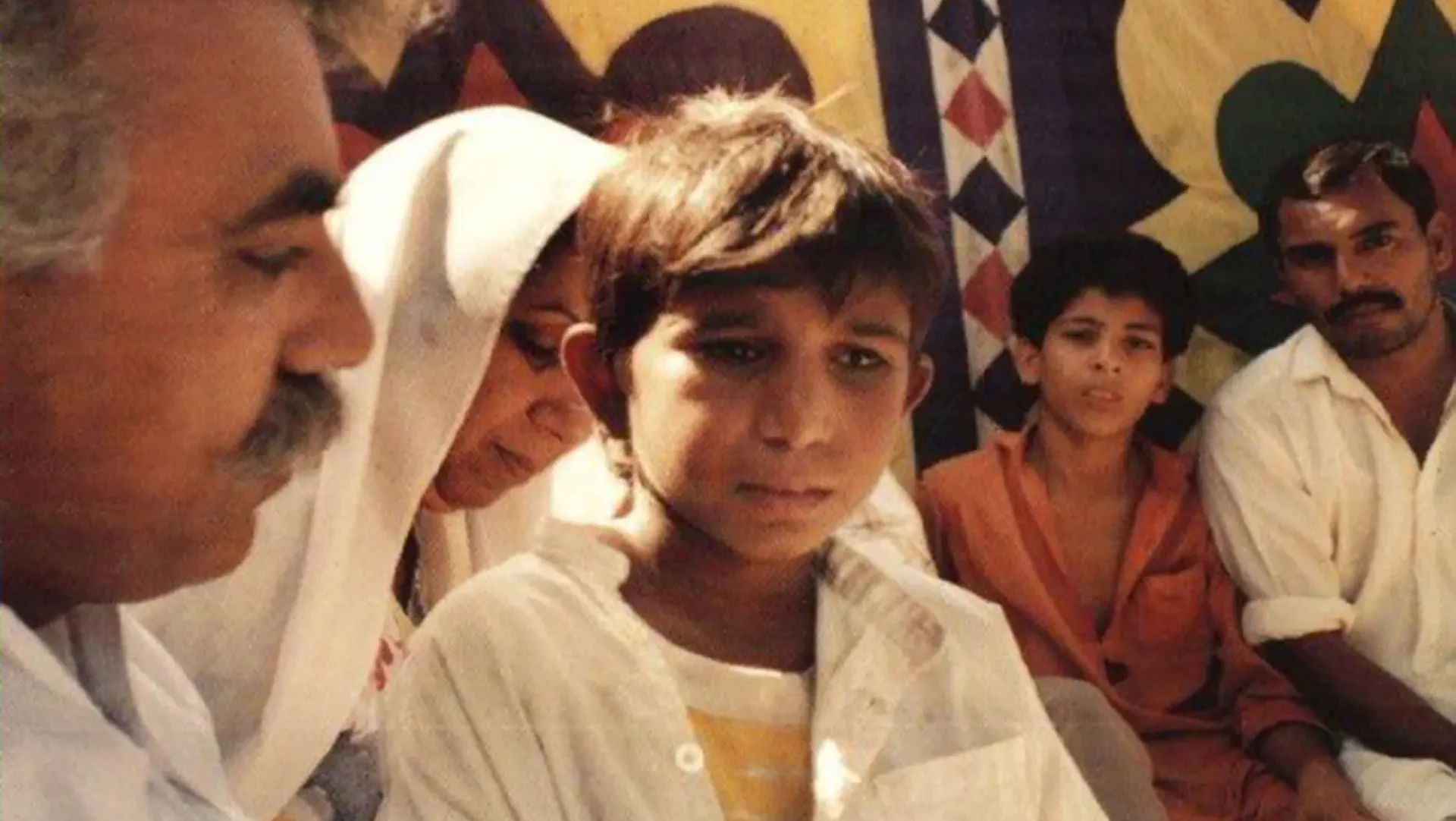
On January 1, 1983, Iqbal Masih was born into a Christian home in Pakistan. His family was below the poverty line, so much so that when they needed extra money for a one-off expense, they were forced to take out a loan. Because they were poor, the banks would not lend them the money. However, there was an owner of a carpet manufacturing factory who agreed to lend money to Iqbal, which would then be able to be used however the family wished. As such, at the tender age of four, he found himself in more debt than his family was able to pay back. After nearly two years, when they still couldn’t pay back the money, the carpet factory owner demanded that Iqbal work in his factory until the debt was paid off. Thus, at five years of age, Iqbal became a carpet slave.
Like the other child slaves in the carpet factory, Iqbal still lived at home. Every morning just before the sun rose, someone would come and fetch him. He would then be placed in front of a loom and forced to weave threads and tie knots that gave his fingers blisters, risking a beating if he didn’t work fast enough or took more than the few short breaks allotted to him. One day, another child had a fever, which made it difficult to work. Still, he was beaten because he wasn’t working fast enough. There was no mercy in that factory. But Iqbal refused to give in. He stretched out his breaks just a little longer than he was allowed and sometimes he would even take an extra break. Finally, the carpet factory owner sold Iqbal to another carpet factory—one where punishments were even swifter and more harsh.
systemic corruption
This still did not break Iqbal and one day, a few years after he was sold as a slave, he ran away. He had seen a poster that told him child slavery in Pakistan was illegal, so he believed that all he needed to do was go to the police station and tell them about the factory. Not only did he believe he would be freed, but all the other child slaves would be freed with him. Excited by the prospect, Iqbal walked straight to the police station. Unfortunately, despite the steps the government had taken to help businesses transition from child slaves to humane adult workers, most people still did not accept that child slavery was illegal. The first policeman Iqbal walked up to listened to his story then took Iqbal—who believed he was going to free the other children—right back to the factory. There, the policeman accepted the reward money for returning runaway slaves and advised the owner to chain Iqbal to the loom.
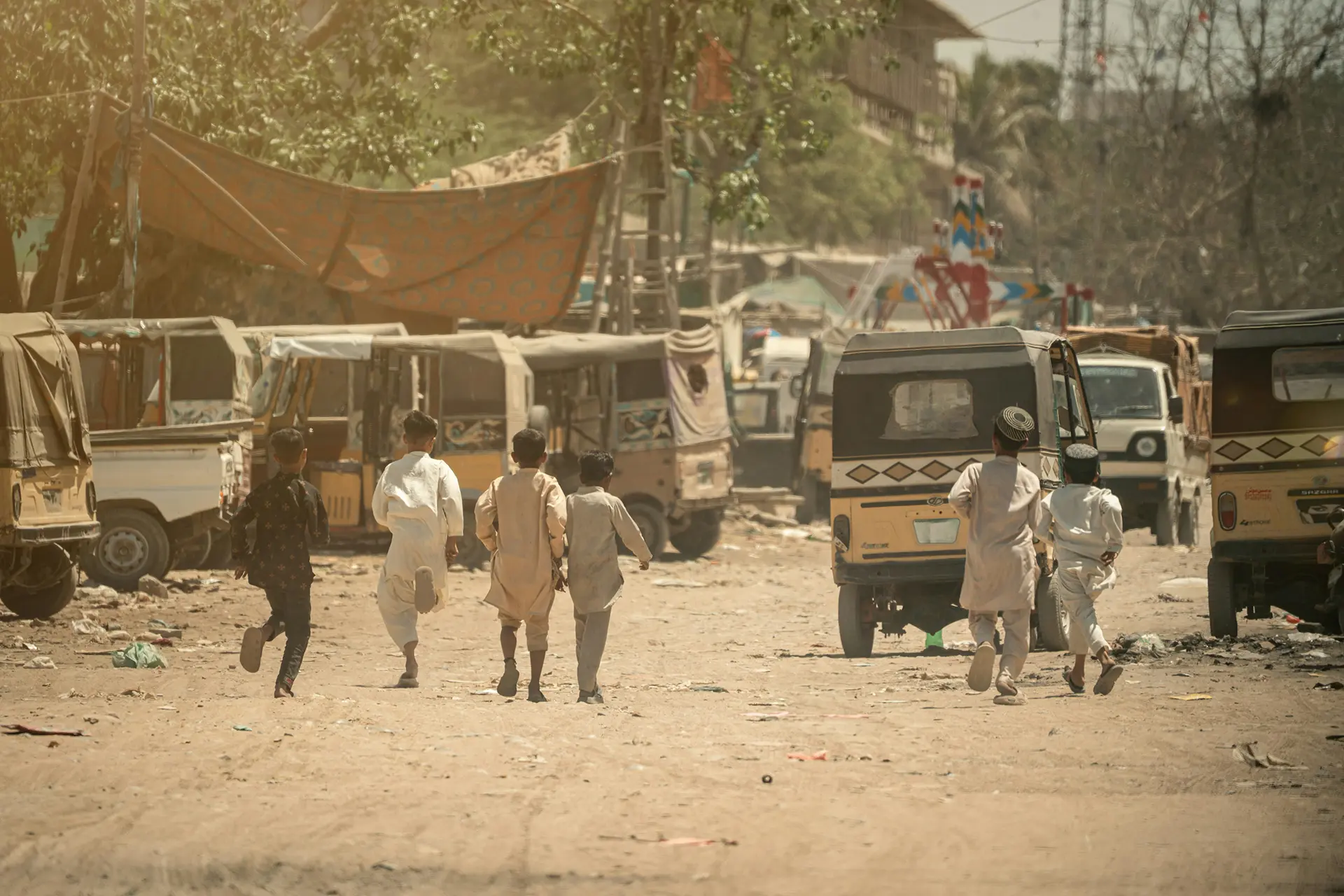
The next day, Iqbal was beaten and tortured. Barely conscious, the overseers gave him a few mouthfuls of rice and chained him to the loom as an example to the other children so they would know what happened to those who ran away. Iqbal later described how he survived by remembering all the prayers from when he was small and used to regularly attend church. He would say those prayers in his mind repeatedly to help him hold on until finally, the torture ended.
freedom at last
In Matthew 18:5,6, Jesus says, “And whoever welcomes one such child in my name welcomes me. If anyone causes one of these little ones—those who believe in me—to stumble, it would be better for them to have a large millstone hung around their neck and to be drowned in the depths of the sea.” Iqbal and the other children had to endure the conditions of the factory for roughly another year. It was long enough for the overseers to relax a little and sometimes forget to secure Iqbal’s chain. One day, a dove flew into the factory. By watching how the dove escaped, Iqbal was shown his own escape route and the next time the overseers forgot to attach his chain, as soon as they walked outside for their own break, he followed the path of the dove and escaped the factory once more.
This time Iqbal avoided not just the police, but everyone. He kept to back alleys and shadows, eating from trash piles and sleeping in hidden places, until he happened across a meeting run by “Bonded Labor Liberation Front” (BLLF) which was a charity organisation that was trying to free child slaves in Pakistan. Finally, he was able to tell his story to people who sympathised with him and were able to do something. He led them back to the factory from which he escaped and because the owner was away and the overseers were too intimidated to stop them, all the children in that factory were set free.
from slave to advocate
From then on, Iqbal wanted to help set all slaves free. He enrolled in a school run by BLLF specifically for former child slaves, and despite years of malnourishment and abuse which had left him extremely small for his age, he managed to complete five years of schooling in only three years. Iqbal had decided to become a lawyer as he believed that was the best way to end slavery. He also went on tour to talk about his experience in the carpet factory. At first, he focused on Pakistan, but when people started to listen, he was invited to Sweden and the United States where he spoke to schools and organisations. While he was in America, the sporting goods company Reebok gave Iqbal the Reebok Human Rights Award for his contribution toward ending child slavery.
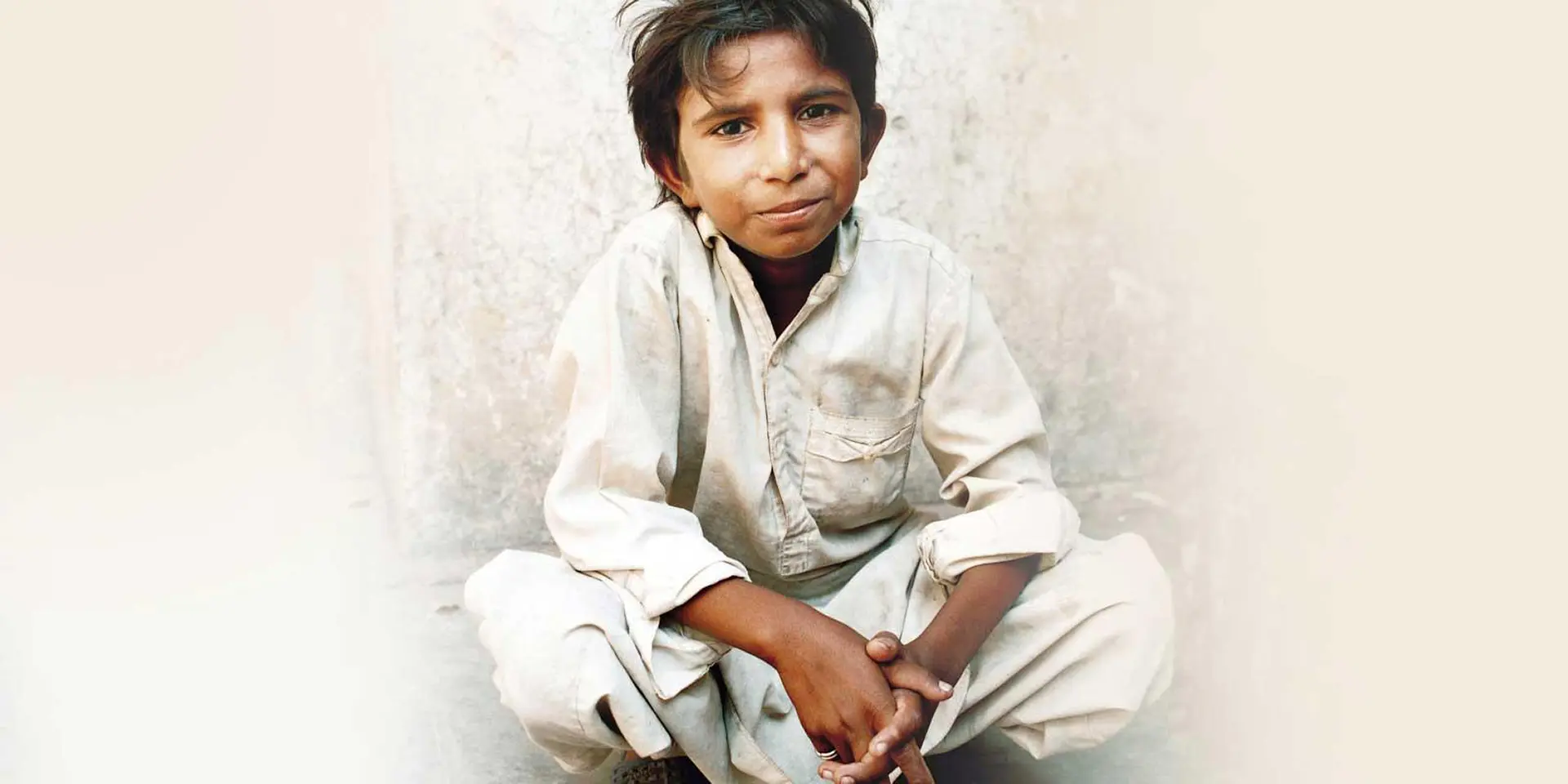
Iqbal was slowly starting to raise awareness. People became aware that their beautiful carpets were made by slaves and as public opinion changed, profits in the industry began to drop. Iqbal began to receive death threats but whenever he was asked about it, he would puff out his chest and say, “I am not afraid.”
When he was 12 years old, on Easter Sunday, after attending the local service at his church, Iqbal and two of his relatives were taking food to an uncle when Iqbal was shot to death. The official report deemed his death “accidental” but there was strong evidence that he was assassinated by the “carpet mafia”, a gang that killed runaway slaves. His funeral was attended by more than 800 people, with a protest taking place the following week to demand an end to child labour.
Iqbal Masih lived life to the full. In spite of years of abuse, neglect, even torture, his faith helped him hold on to his courage. Because he never gave up, and because he fought whenever he could in whatever way he could, Iqbal made a huge impact on the Pakistani slave trade. It is estimated that BLLF was able to free more than 3000 slaves during the year Iqbal was a spokesman for them. Even his death created a spark that ran around the world and severely dented the profits of those who used slaves to feed their greed. Today, the legacy of Iqbal Masih is still going strong, raising awareness and helping others who, like him, were forced into slavery, enabling them to find the same kind of freedom he fought so hard for and cherished so much.