
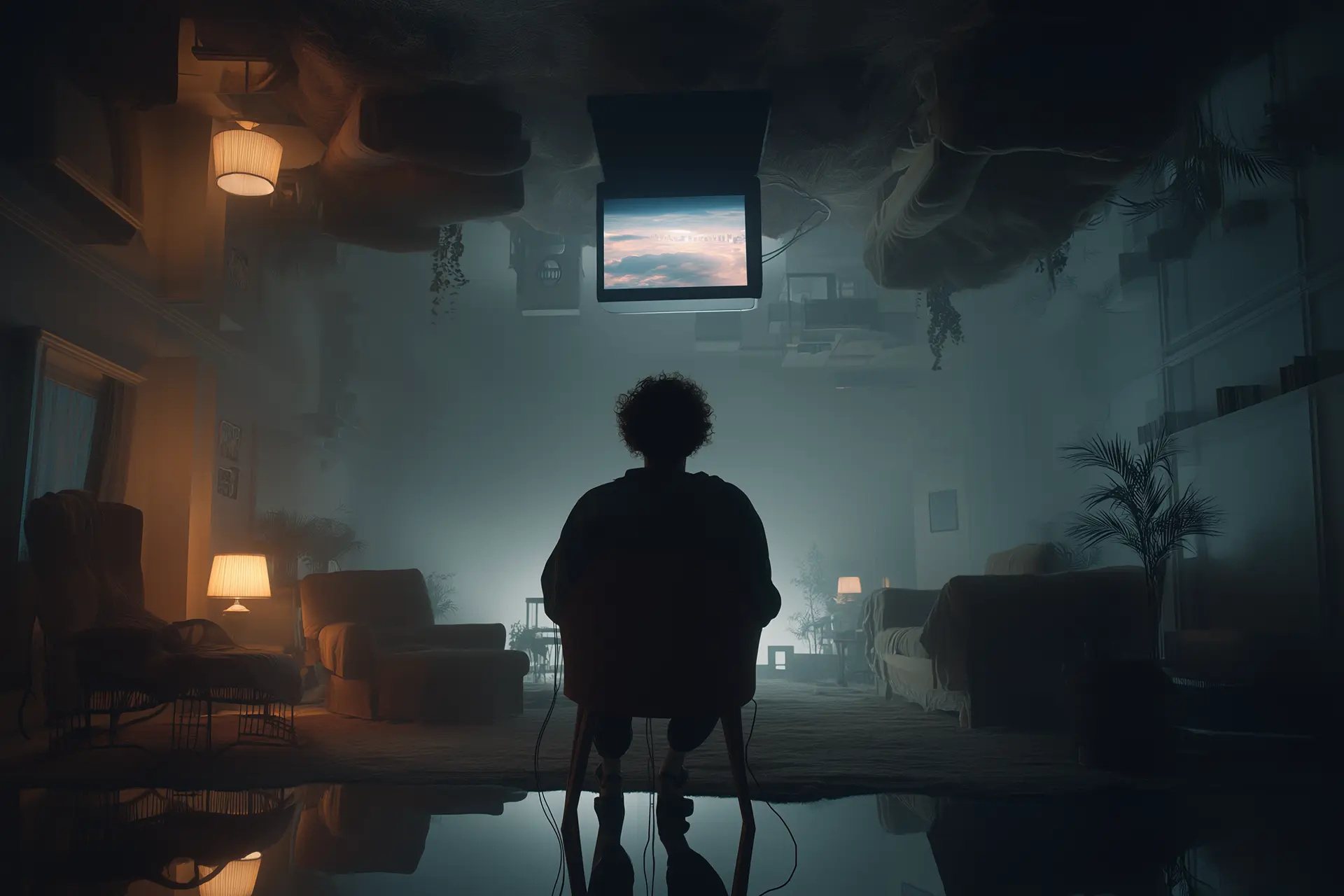
I’m generally not one for scary movies or shows. I’m still kind of low-key scared of the dark. There was one series that hooked me though, and that was Netflix’s show Stranger Things. From the very first episode there are so many mysteries that just pull you in, the main one being the eerie disappearance of 12-year-old Will Byers, whom we later discover has wound up in the Upside Down (cue spooky music).
The Upside Down is a terrifying alternate dimension filled with darkness, monsters and just general creepiness while still retaining all the same landmarks, buildings and geography of the normal world. Though it’s been a long time since I watched the first season of Stranger Things, the images of the Upside Down are still burned into my mind.
Alternate dark dimensions have been a sci-fi and fantasy trope for a long time. The first time I was introduced to this concept was when, as a child, I played The Legend of Zelda: The Ocarina of Time (is it any surprise that I’ve mentioned this series in yet another of my articles?) all the way back in 1998. In The Ocarina of Time, the player travels back and forth between the colourful, peaceful present and a dark future ruled by an evil king.
The idea of an alternate story running parallel to our own is something that I will always find fascinating and, with the popularity of multiverse-style movies and shows like Marvel’s What If . . . ?, the film Everything Everywhere All At Once or the book The Midnight Library, it seems to interest many others, too.
The ending of all of these tends to be that the alternate story has a way of influencing or informing our current story for the better—hopefully. So, this draws me to ask the question: are there real alternate stories that inform my life today? The answer, you may not be surprised to learn, is “yes”. But don’t get too excited about the idea of exploring an alternate reality of your own life where you become rich and famous or develop superpowers, or even where the world is permanently flooded and we all live the exact same lives but as merpeople (or is that just me?). Let me explain.
I think this alternative story for us today can be found in the Bible. I’m not saying I believe the stories that happened in the Bible are stories from an alternative dimension or timeline. I believe these stories are historical and true. What the Bible does as well, however, is set forth an alternative picture of what humanity could and should look like. Allow me to take you on a journey to explore this alternative picture of humanity.
Genesis 1 and 2
This story starts in a way that has unfortunately become so common that to many people, it has lost its impact. God creates the universe with intention and order, bringing light, sky, land, seas, plants, stars, animals and finally humanity, into existence. Humans, made in His image, are given the dignity of relationship and the responsibility of caring for creation. God declares everything “very good”. What makes the Genesis creation story so powerful is not just how it begins, but how differently it speaks about us. In many ancient stories, creation comes from conflict. The gods fight. The world is born out of chaos. Humans are often created as an afterthought or as servants made to meet the needs of the gods.
Genesis tells a strangely different story. It insists that there is one God. He does not battle; He speaks. And creation responds. The world is not accidental or violent. It is intentional and good. At the centre of this goodness stands humanity. We are not slaves or expendable resources. Genesis says we are made in the image of God. That means every human life carries dignity, worth and purpose. We are entrusted with responsibility, invited into relationship and given a role in caring for God’s world. Genesis tells us this:
You are not an accident.
You are not disposable.
You are not forgotten.
You are created in God’s image, designed for meaning, relationship and trust.
Now, many of us know the story takes a sad turn after this with humanity’s corruption from sin but in this beginning, we see the ideal picture of humanity—the life we were supposed to live: to be co-rulers with God in His good creation.
Matthew 5
Skipping much further ahead in the story, after many ups and downs, we arrive at the life and teachings of Jesus. He claims to be the Son of God but strangely presents in humble human form. He lives the kind of life that we were originally meant to live as humans. He understands this original design, then lives it and teaches it to His followers.
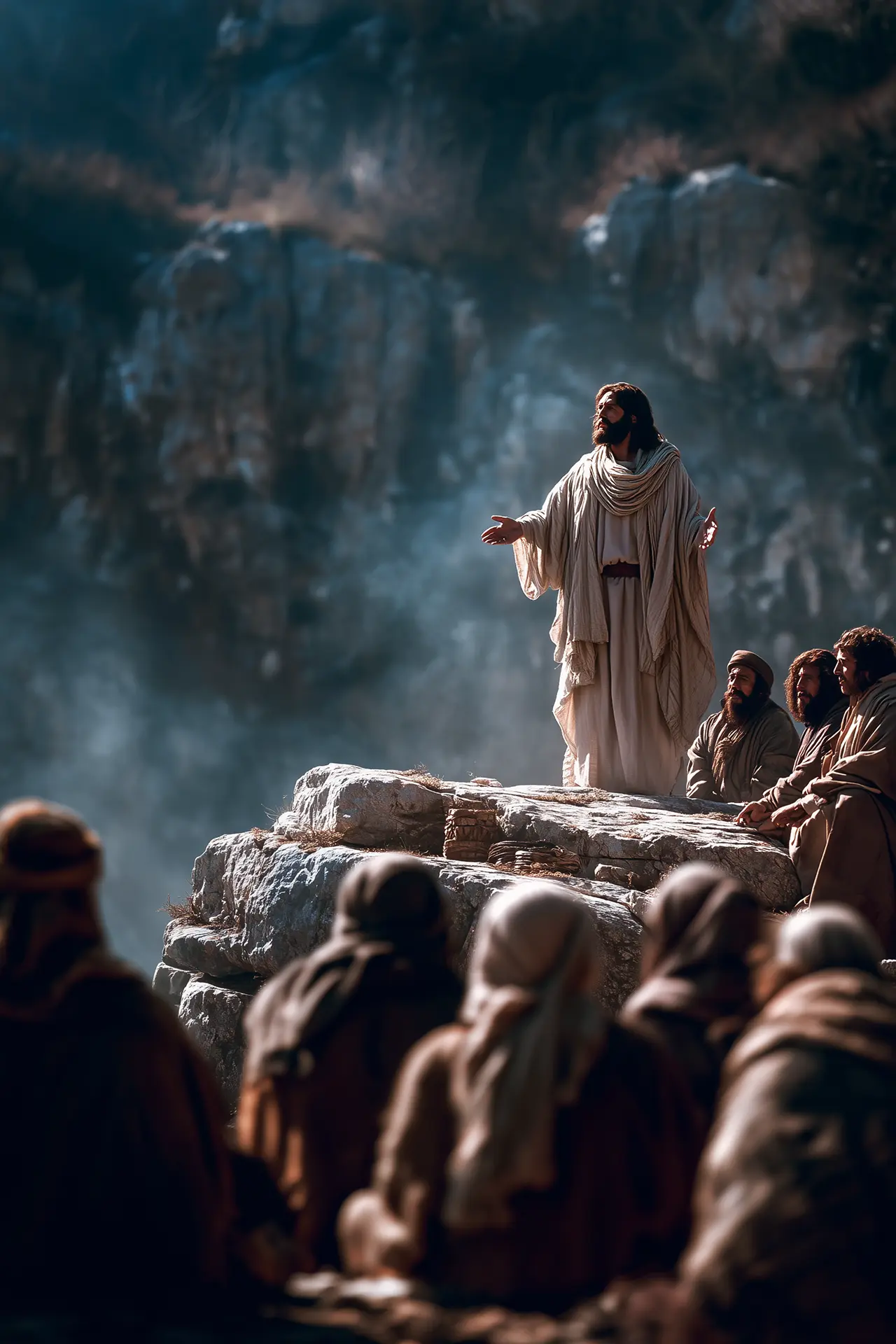
In Matthew’s biography of Jesus’ life, His deepest teaching on the subject is outlined in chapters 5–7, which have been called the Sermon on the Mount. Here, Jesus lays out an entirely different story of what humanity should look like.
Instead of dominating those around you to get what you want, He says, “Blessed are the meek, for they will inherit the earth” (Matthew 5:5). Instead of revenge, taking an “eye for an eye”, He says that true humanity should look like loving your enemies and praying for those who persecute you (5:44). Instead of worrying about each day—what you have or don’t have—He says to “seek first His [God’s] kingdom and His righteousness, and all these things will be given to you as well” (6:33).
There are many more examples I could give from His teachings here, but I imagine you get the point. His expectation of His followers is to live differently from the rest of the world—in a way that probably seems completely upside-down to others—to live as though you are in the alternate story that God began while you are living in this one. But, it gets better.
Revelation
The Bible also contains promises that one day this story that currently seems like an alternate world will become one with ours again, as it was in the beginning. Revelation, the Bible’s strange but beautiful final book, gives away the ending of the whole story. After Jesus returns and restores humanity, it says this:
“Look! God’s dwelling place is now among the people, and He will dwell with them. They will be His people, and God Himself will be with them and be their God. ‘He will wipe every tear from eyes. There will be no more death’ or mourning or crying or pain, for the old order of things has passed away” (Revelation 21:3,4).
Our story will one day come to an end, and the way humanity was supposed to be will become the norm again. Our broken world will be healed; there will be no more death or pain—not even tears. It won’t just be a story on the pages anymore, but a reality we can live. So, why does this matter?
I want to make a choice to live my story in the way God calls me to; to live like He called humans to in Eden originally; to live the life that Jesus describes while I wait for the full experience when He returns. So I regularly read the Bible repeatedly, not to gain information, but to continually retune my life to the alternate story it calls me to live; to weave God’s story into mine—even if it looks upside-down.
God has already written the future. Find out how it all ends.