

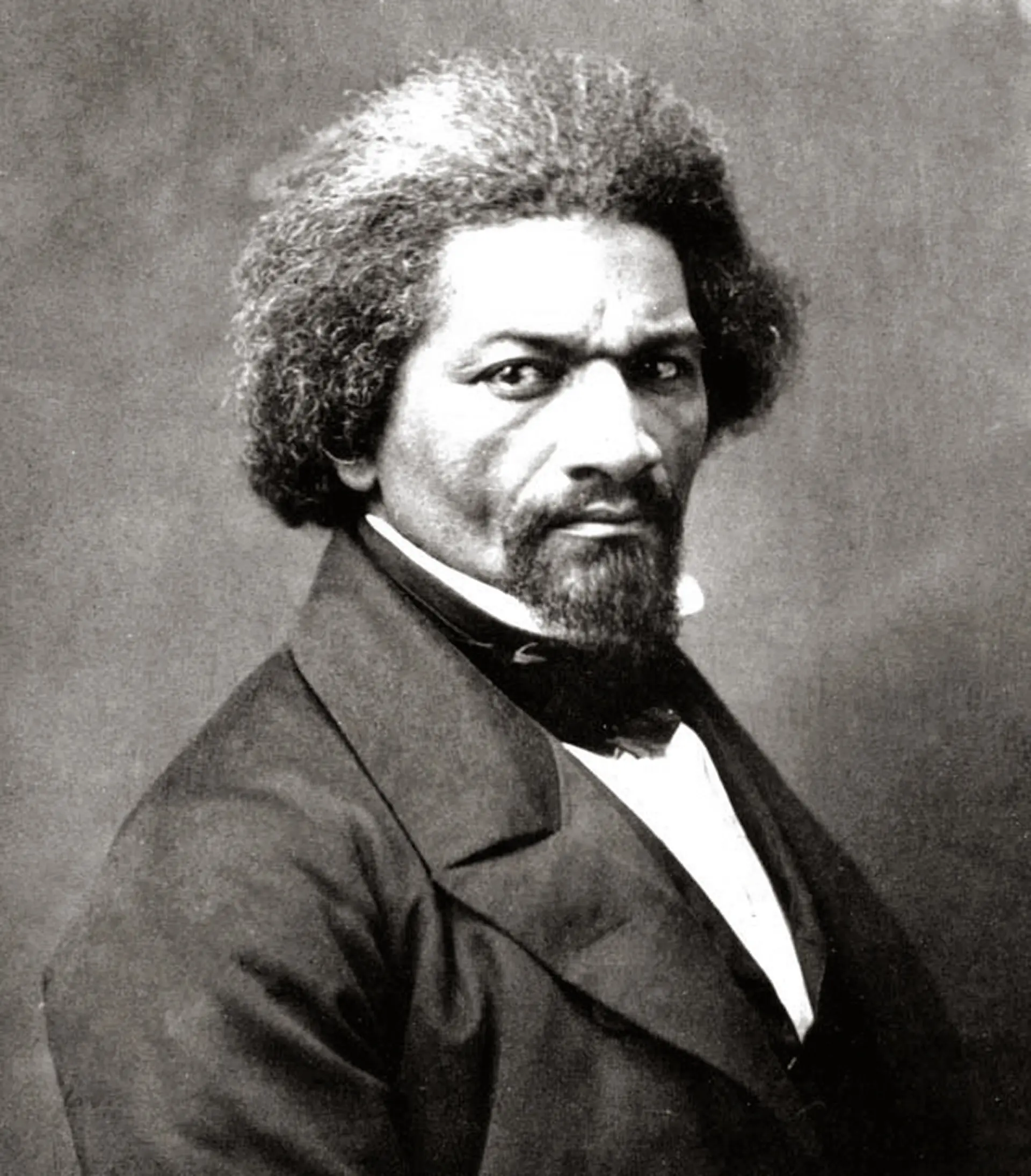
Genesis 37–50 tells the story of a boy named Joseph who was born the son of the head of a wealthy and very influential family. The boy grew up believing that he would one day lead the family, with all the attendant responsibilities and privileges. However, he also had older brothers who were jealous, hated him and sold him as a slave. Joseph ended up in a foreign country. Despite the betrayal and trauma, young Joseph held on to his faith in his God. Because of this, God blessed Joseph and anything he undertook was wildly successful. After all, who had ever heard of a slave running the entire estate without even having to check with his master? Or a prisoner running a prison? Bizarre as it is, it gets crazier. The king found himself in need of help, but none of the nobles, priests, priestesses or anyone in his court was able to help him at all—at least, not until a servant approached and spoke of a prisoner in charge of the prison. The king sent for the slave in prison. When he appeared before the king, Joseph presented a plan that would save his kingdom. It was a wise plan, so the king promoted the former slave to second-in-command of all the country. They saved not just the country but also nations far away, and when the crisis was over, they remained friends and worked together. Joseph was able to reunite with his family and reconcile with his repentant brothers and, in the end, things worked out as well as any story possibly could. In fact, it all worked out so well that it seems almost impossible. Who had ever heard of a ruler treating a slave like an equal, or a slave rising to change a country except in fairy tales?
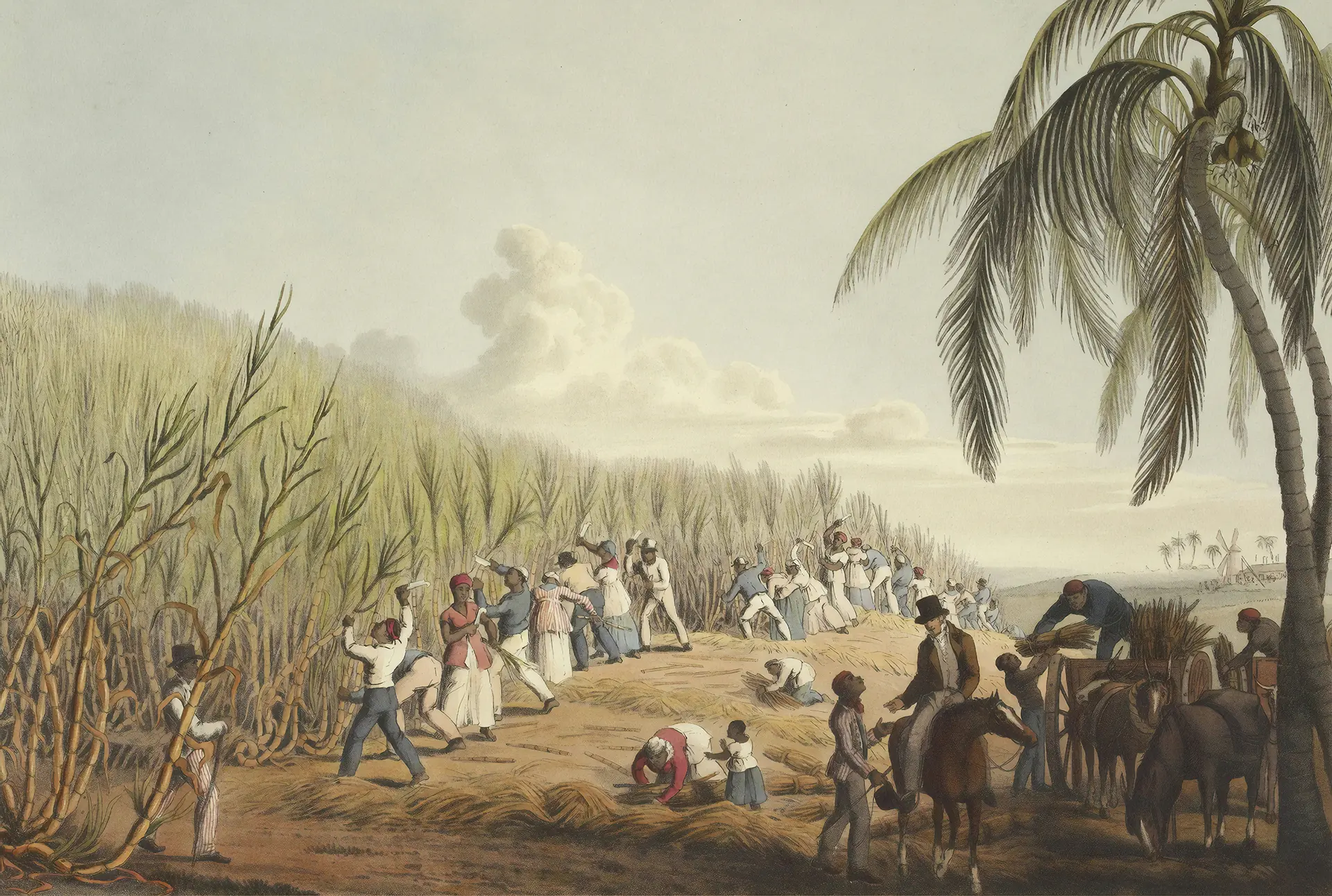
Frederick Bailey, later known as Frederick Douglass, was born a slave in or around 1818 in Talbot County, Maryland. Having no rights, he was taken from his mother as an infant and given to his grandmother, who raised him until he was six years old. At that time, it was decided he was old enough to be sent off to work. He was “given” to Lucretia Auld, wife of Thomas Auld and sent to work with Thomas Auld’s brother on the Wye House plantation. At the time, it was illegal for slaves to become literate, but Bailey had a dream. Later in life, when he wrote his first autobiography, he described it this way: “From my first recollection, I date the entertainment of a deep conviction that slavery would not always be able to hold me within its foul embrace; and in the darkest hours of my career in slavery, this living word of faith and spirit of hope departed not from me, but remained like ministering angels to cheer me through the gloom.”1 His faith gave him the determination to take every opportunity he could to learn how to read and write. Some days, that determination required giving up precious food to pay for lessons, but still his faith held and he persevered. When, at last, he had a decent grasp of reading, he started to teach other slaves how to read using the Bible. It was illegal. It was dangerous. Slaves had no rights and reading opened up a whole new world to those that slave owners did not want them to have. But Bailey was persistent and word of his willingness to teach got around. Thomas Auld did not want to deal with the problem himself. Instead, he transferred Bailey to Edward Covey, who had a reputation for brutal treatment of his slaves. Covey regularly whipped Bailey, who was around 16 years old at the time.
Slavery would not always be able to hold me within its foul embrace.
Instead of stopping his lessons, Bailey responded to the beatings by trying to escape. It took several failed attempts but in 1838, he finally managed to board a train and begin a roundabout route to New York, a state that had abolished slavery just over a decade earlier. Once there, he was reunited with one of the people who had aided his escape—Anna Murray. They were married on September 15, 1838. Not long after their wedding, they moved to Massachusetts. There they lived with a couple, Nathan Johnson and Mary Johnson, who were born “free persons of colour” and helped them early in their married life. It was there that Bailey and Murray were introduced to the writings of Scottish writer Sir Walter Scott, including the poem The Lady of the Lake. The character Douglas in the poem inspired them so much that they decided to use a version of his name as their last name, and they became Mr and Mrs Douglass, starting their new life together.
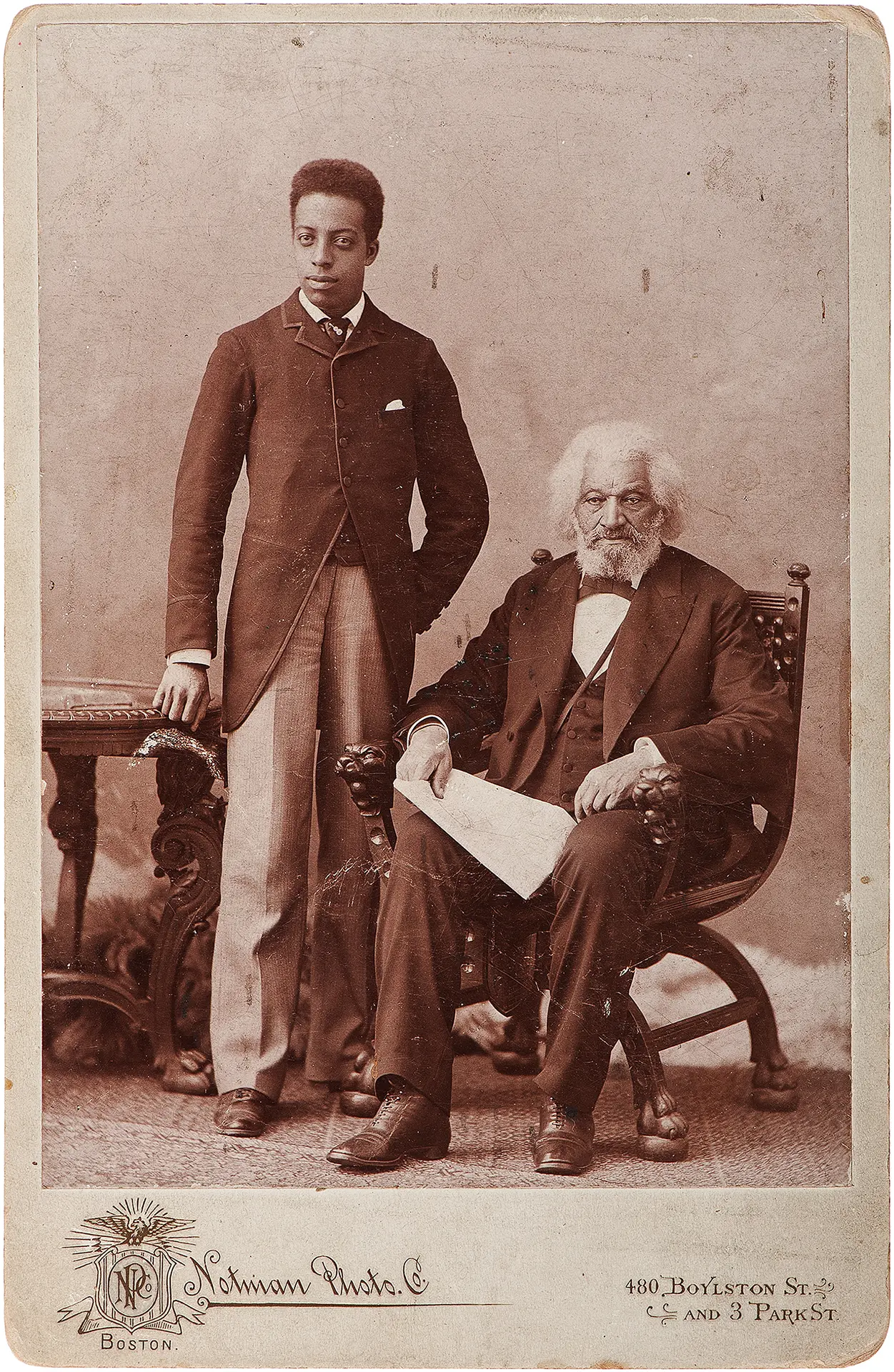
Though they lived in a state where slavery had been abolished, neither of them could forget those who were still trapped in terrible conditions. Douglass started attending abolitionist meetings and, with his first-hand account of escape from slavery as well as his gift with words, he soon became a regular speaker at abolitionist events. Until her death on August 4, 1882, Anna Murray-Douglass continued to support her husband and raise their five children while also being an active member of the Boston Female Anti-Slavery Society and working as a laundress to supplement the erratic income of a travelling speaker. Despite being beaten and threatened, Douglass refused to be swayed from his course. He persuasively argued with those who tried to justify slavery and challenged the accepted wisdom about the inequality between black and white people.
When the American Civil War broke out, Douglass was influential in advocating for the right of African Americans to join the army and fight for their freedom. Later, dissatisfied with the conditions of the African American regiments, he confronted President Abraham Lincoln, who met his accusations with an invitation. They talked, and Douglass helped Lincoln form policies around the plight of African Americans. These consultations continued, and Douglass, a former slave, and Lincoln, president of the United States, formed such a friendship that on April 14, 1876, at the unveiling of the Emancipation Memorial, Douglass was invited to give an address. There is also a rumour that Lincoln’s widow, Mary Lincoln, gave Douglass Lincoln’s favourite walking stick.
Throughout his life, Douglass published books, including his autobiographies Narrative of the Life of Frederick Douglass, an American Slave, My Bondage and My Freedom and Life and Times of Frederick Douglass. He also started a publication titled The North Star. His voice was heard across the world, urging people everywhere to treat all humans as equal. His beginning was humble, but his faith and unwavering conviction in the face of gross injustice fuelled the fire that enabled him to learn the words that would change a nation. Even presidents listened to this man who was once a slave. Because when you have faith, impossible things are possible.
- Frederick Douglass, Narrative of the Life of Frederick Douglass, an American Slave. CreateSpace Independent Publishing Platform 2014. ↩︎