
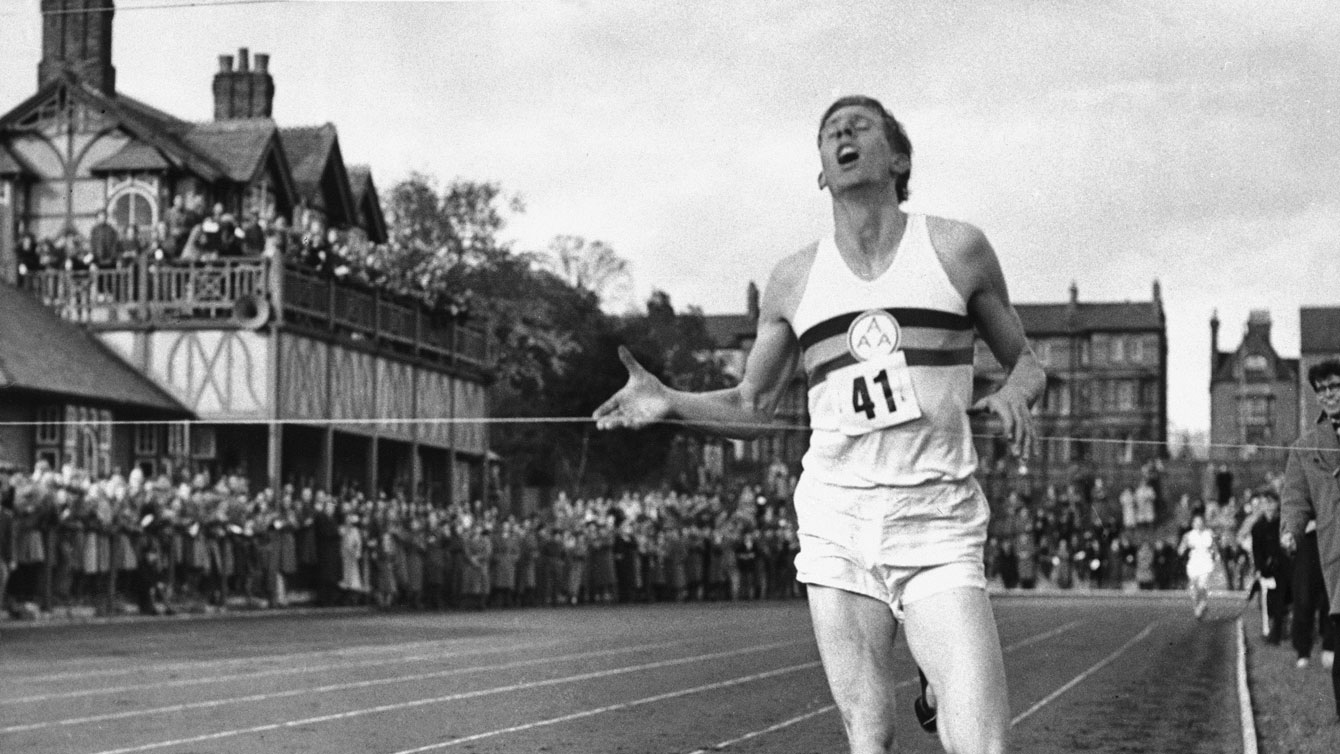
It was May 6, 1954, and the crowd gathered in anticipation at Oxford’s Iffley Road Track, UK. Word had it that history was about to be made—though many still doubted it. You see, up to that point in time, no human had ever run a mile (1.6km) in under four minutes. In fact, the widespread consensus was that it simply wasn’t possible. Runner John Landy was quoted saying, “It’s like a brick wall,”—one he didn’t believe he could physically cross—feeding the scepticism surrounding the feat. Nevertheless, Roger Bannister believed it could be done. And he believed he was the man to do it.
Bannister had an unwavering belief in his ability to break the record, but his approach was strategic. He had constructed a plan with two of his running mates, Chris Brasher and Chris Chataway. Brasher would lead for the first two laps, setting the pace with Bannister nipping at his heels like a beagle in pursuit of a spring rabbit. Chataway would take over for the third lap. Then Bannister would bring it home on his own for the final lap.
the race that changed it all
The starting gun fired, and the runners were off like a bucket of prawns left in the midday sun. They completed the first lap in 57.5 seconds. A great start, but had they gone too hard, too early? Time would tell.
They continued at a solid pace. Brasher completed the half mile in 1 minute 58 seconds. Then Chataway took the lead and pressed forward. But on the third lap, the pace slowed—3 minutes 0.7 seconds. That meant Bannister would need to run the final lap in under 59 seconds to break the record.
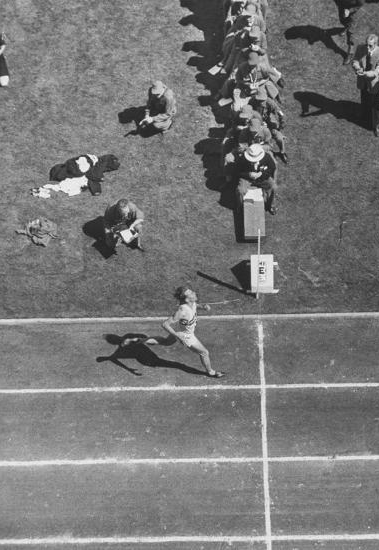
Bannister surged ahead of Chataway, striving unceasingly towards the potentially historic achievement. A feat comparable to Edmund Hillary’s ascent of Everest in 1953 or Alex Honnold’s free solo of El Capitan in 2017.
Bannister pushed and pushed. But could his body handle such a gruelling undertaking? Some believed that attempting a sub-four-minute mile could result in death. Bannister was pushing himself to such extents that he might not even live to tell the tale.
As the crowd cheered him on, he exerted every ounce of remaining strength he could muster and hurled himself across the finish line, into the arms of the waiting spectators. In an age before digital time-keeping, the crowd waited eagerly to hear if they had witnessed the impossible.
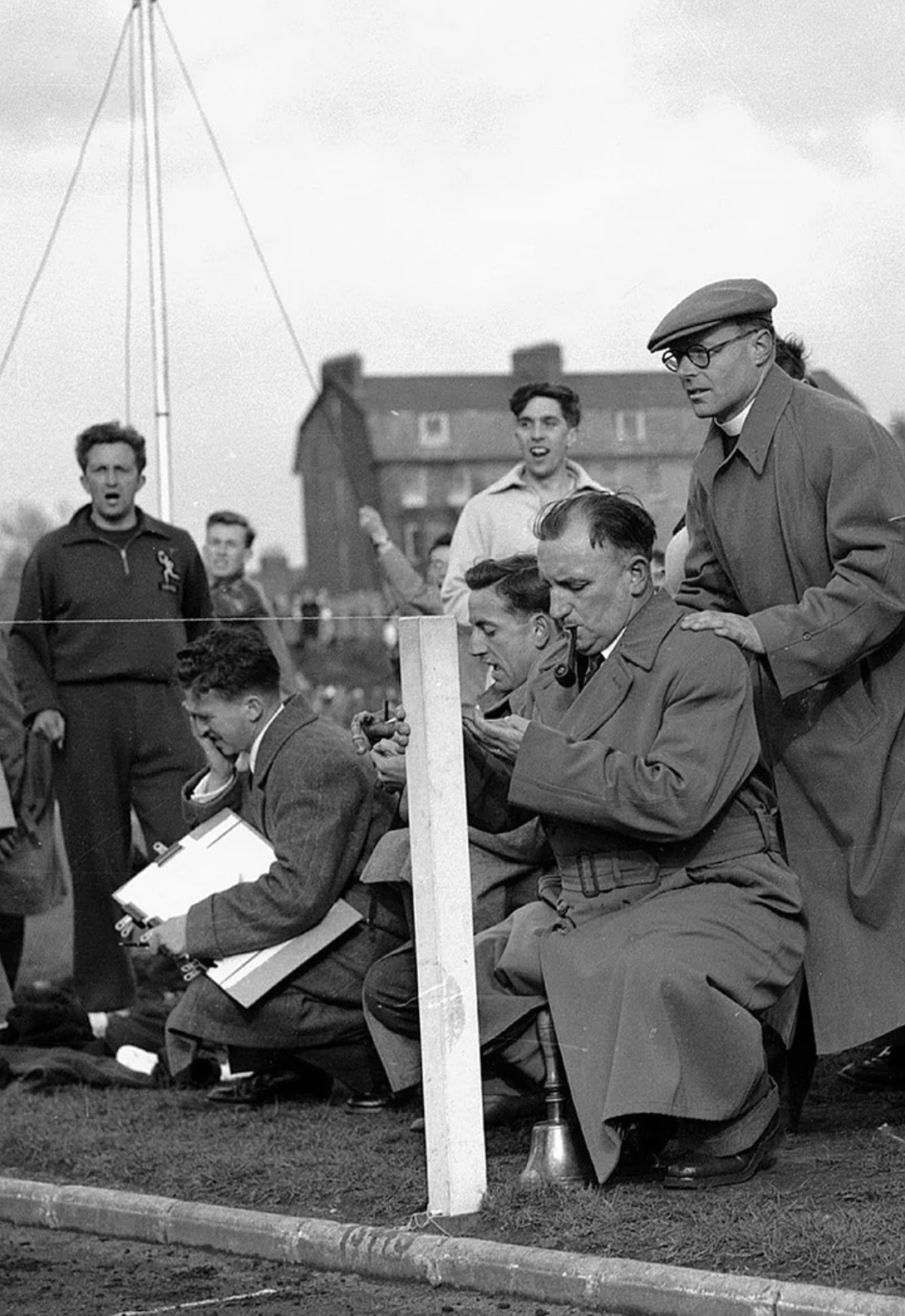
The stadium announcer, Norris McWhirter, called for the attention of the boisterous crowd. “Ladies and gentleman, here is the result of the men’s One Mile” . . . First, number 41, Roger Bannister, crossing the finishing line in three . . .” The crowd erupted into a tremendous cheer, drowning out the rest of the announcement. But it didn’t matter because Bannister had done it.
With the support of his teammates, he had achieved the impossible. Bannister crossed the finish line in 3 minutes and 59.4 seconds. He proved the sceptics wrong and changed what the world believed about the physical capabilities of the human body.
Amazingly, just 46 days later, Australian runner John Landy broke Bannister’s record—further proving that so-called “brick walls” can be overcome. Since then, more than 2000 athletes have achieved a sub-four-minute mile—including 26 high school students.
we become what we believe
There are two reasons I’m sharing this story. Firstly, what we believe has a dramatic impact on our outcomes. The wise King Solomon once said, “As a man thinks in his heart, so is he” (Proverbs 23:7). This idea was echoed by Earl Nightingale, known as the self-professed “dean of personal development”, who wrote, “We become what we think about.”
So, it begs the question, what are you thinking about? What do you believe deep in your heart?
Those who didn’t believe a sub-four-minute mile was possible never even tried. It’s likely that some runners of the time were physically capable of achieving it, but who fell short because they never saw it as a possibility.
the power of our beliefs
Our beliefs define and drive us. Each day, as you go about your life, your beliefs shape your actions—whether you realise it or not. So here’s the question: are your beliefs helping you or hindering you? Are they getting you to where you want to be or holding you back?
Think about the beliefs you hold—about yourself and your value. About the world and how you make sense of it. About others—your family, your friends, the people you meet along the way. And ultimately, about God.
It’s been said that we all live out our picture of God. If you see Him as vengeful, controlling and punitive, that will impact your behaviour. Even those who deny the existence of God are often responding to the picture of a god that they don’t believe in. But if you see God as the very definition and source of love—a relational being who wants connection with you—it will dramatically impact the way you operate.
This insight is crucial when it comes to changing behaviour. If you desire to change your actions, but fail to change your beliefs, you’ll will be met with frustration and discouragement. Why? Because our behaviours flow from our beliefs.
How do you know what you really believe? I would encourage you to look to your actions—they will show you. And if you find yourself being limited by your beliefs, well I have good news for you. In the words of Jesus, “The truth will set you free” (John 8:32).
The process of changing our beliefs takes intentional effort. It requires us to:
- Identify a limiting belief or lie
- Argue against it
- Replace it with the truth
we can’t do it alone
But there’s another insight that could easily be missed. What Bannister achieved, was achieved as a team. Sure, his name may be the one on the record books, but without Brasher and Chataway, Bannister would not have achieved that historic feat on that momentous May evening.
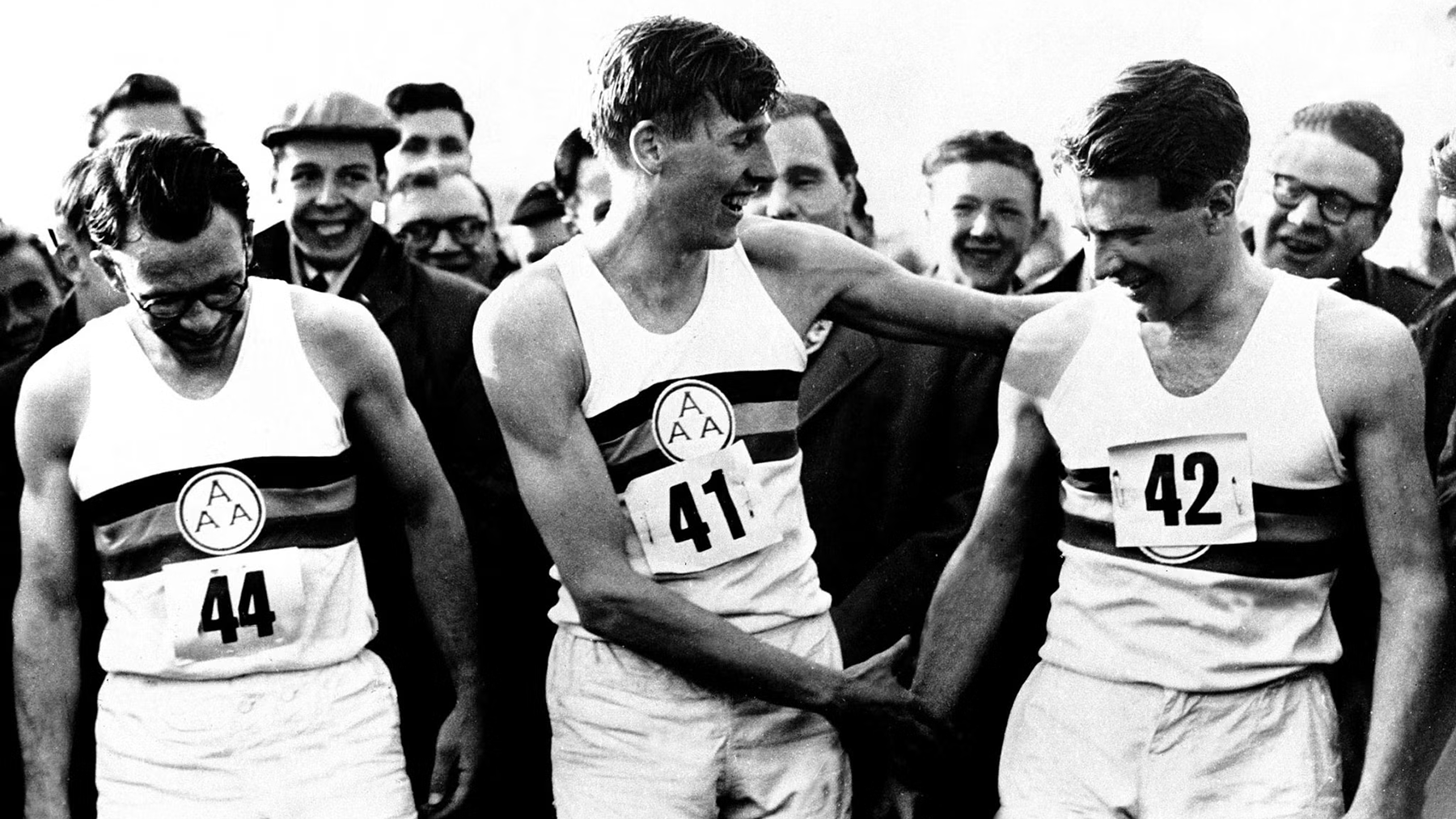
Bannister had the support of others. And so do most people who achieve great things. We are social creatures. We thrive in connection. This idea ties back to beliefs too. One of the best ways to change your beliefs is to surround yourself with people who are living out the truth you want to believe. People who are doing what you want to do. Living how you want to live. Because we naturally become like the people we spend time with.
So, who do you need to spend more time with? Perhaps there’s even someone you need to spend less time with as you seek to adopt more empowering beliefs. And what do you believe? About yourself? About your purpose? About your God? Because your future will rise or fall on the answers to these questions.
Joshua Newbegin is a coach, minister and communicator passionate about helping people grow through clarity, courage and connection. He is the founder of Kaizen Coaching Solutions and host of the Unchained Brotherhood podcast.