


The year was 1968 in Belmont, Massachusetts. Ten-year-old Chicago-born Daryl Davis had the privilege of leading his Boy Scout troop as the flag bearer in a commemorative parade. For any history buffs, you may have noted 1968 is the same year Martin Luther King Jr was assassinated in Memphis, Tennessee. As you can imagine, what followed was a particularly tense time in parts of the United States.
Davis led the parade with a spring in his step and a proud smile across his face. Before long, he was struck by a piece of rubbish that seemed to have been hurled from the crowd. Davis was stunned, though not defeated, and he kept walking. Soon after, another piece of rubbish hit him—and then another. As he marched with the flag in hand, a small minority of the community continued hurling rubbish, rocks, insults and whatever else they could at the unsuspecting boy. Davis had no idea what was happening—or why. The thought that crossed his naive and unassuming mind was simply, Boy, these people sure hate Boy Scouts!
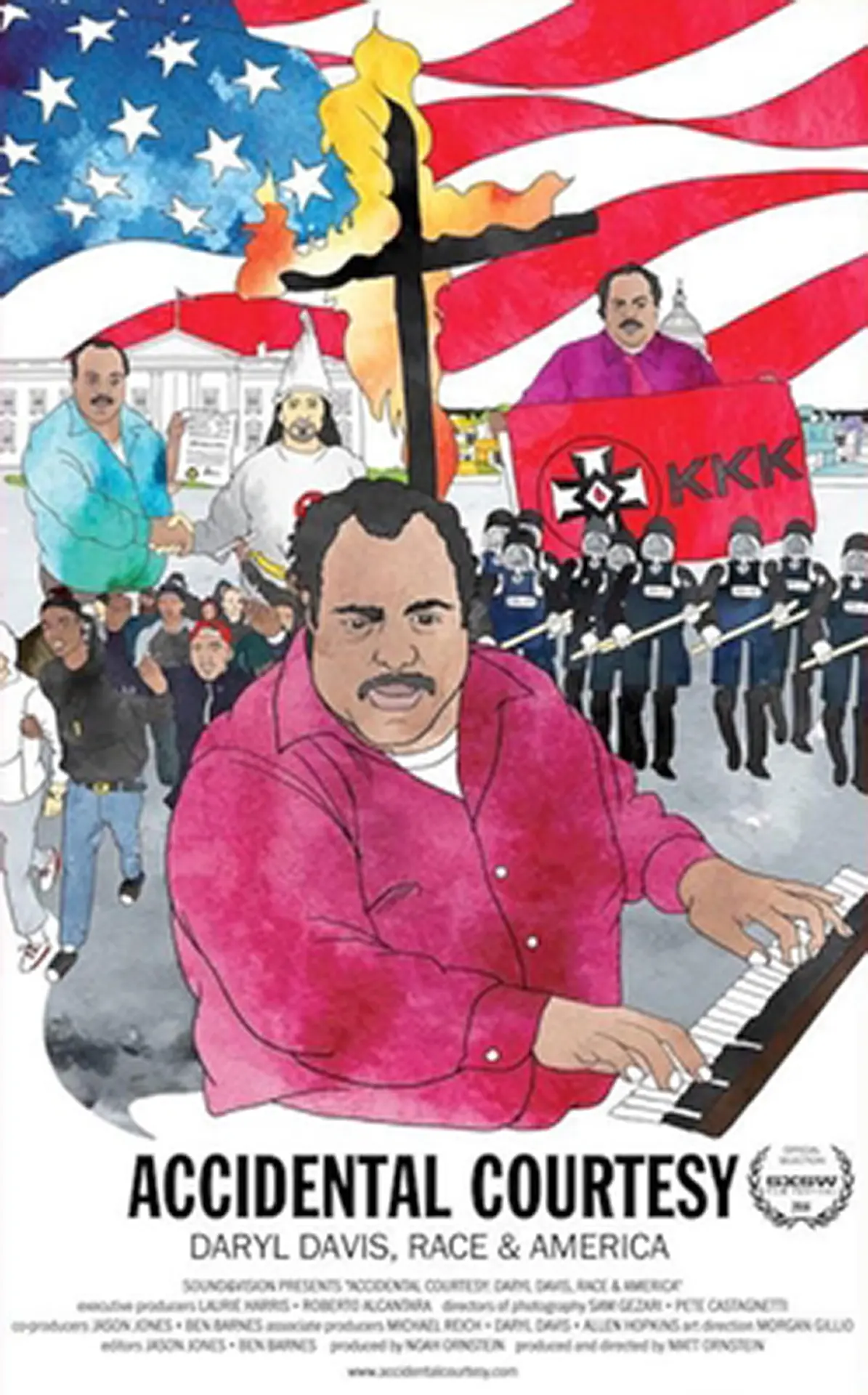
He didn’t realise at the time, but he had just been a victim of racism—a vile detestation directed toward him purely because of the colour of his skin. Davis was one of only two African American students in his school. His family had recently moved to the small town of Belmont from Boston. Before that, they had lived in Liberia, where his father served as a US diplomat. When he arrived home after the parade, his parents asked how he had been injured. “Did you fall down, Daryl?”
“No,” he replied. “People threw things at me.”
His parents sat him down and explained a new concept: racism. Despite their best efforts, young Daryl was not convinced. In the international schools he had previously attended, diversity was common and he had never encountered this kind of hostility. However, several more experiences confirmed that racism was indeed very real. What he asked as a 10-year-old followed him for years to come: How can you hate me if you don’t even know me?
Although Davis went on to become an accomplished blues musician, travelling all over the United States performing and entertaining, this question never left his mind. In fact, it became the driving force behind his life’s mission to drive out hatred and division.
a fortuitous encounter
One night in 1983, this question took on a new significance. After finishing a set at a bar, Davis was approached by a white man who remarked, “I ain’t never seen a black man play piano like that before!” Davis turned to him and said with a chuckle, “Well, I hate to break it to you, but a black man invented piano playing like that.” The conversation continued and the two became increasingly sociable. However, it became clear that he did not see Davis as his equal. Much of what he went on to share was offensive. As it turned out, he was a card-carrying member of the Ku Klux Klan.
Rather than walk away, offended—as would be reasonably expected—Davis was driven by his enduring question: How can you hate me if you don’t even know me? Instead of reacting with anger, he saw it as an opportunity. He chose to see the humanity in this man, despite the man’s failure to see Davis’s. When asked about this encounter in an interview, Davis later said, “What he was saying was offensive, but I did not take offence to it. Why should I take offence to someone I just met 10 minutes ago who doesn’t know me?”
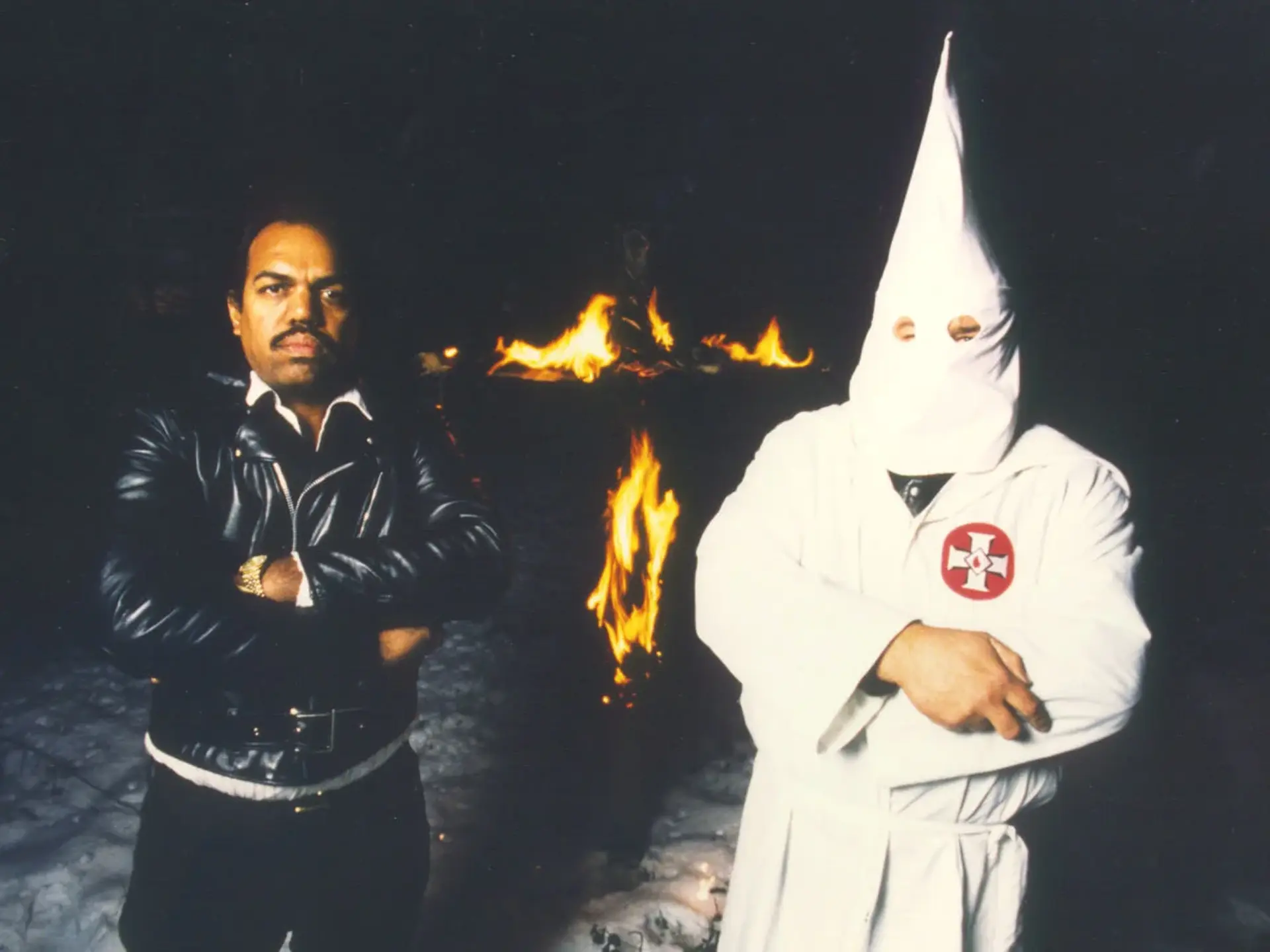
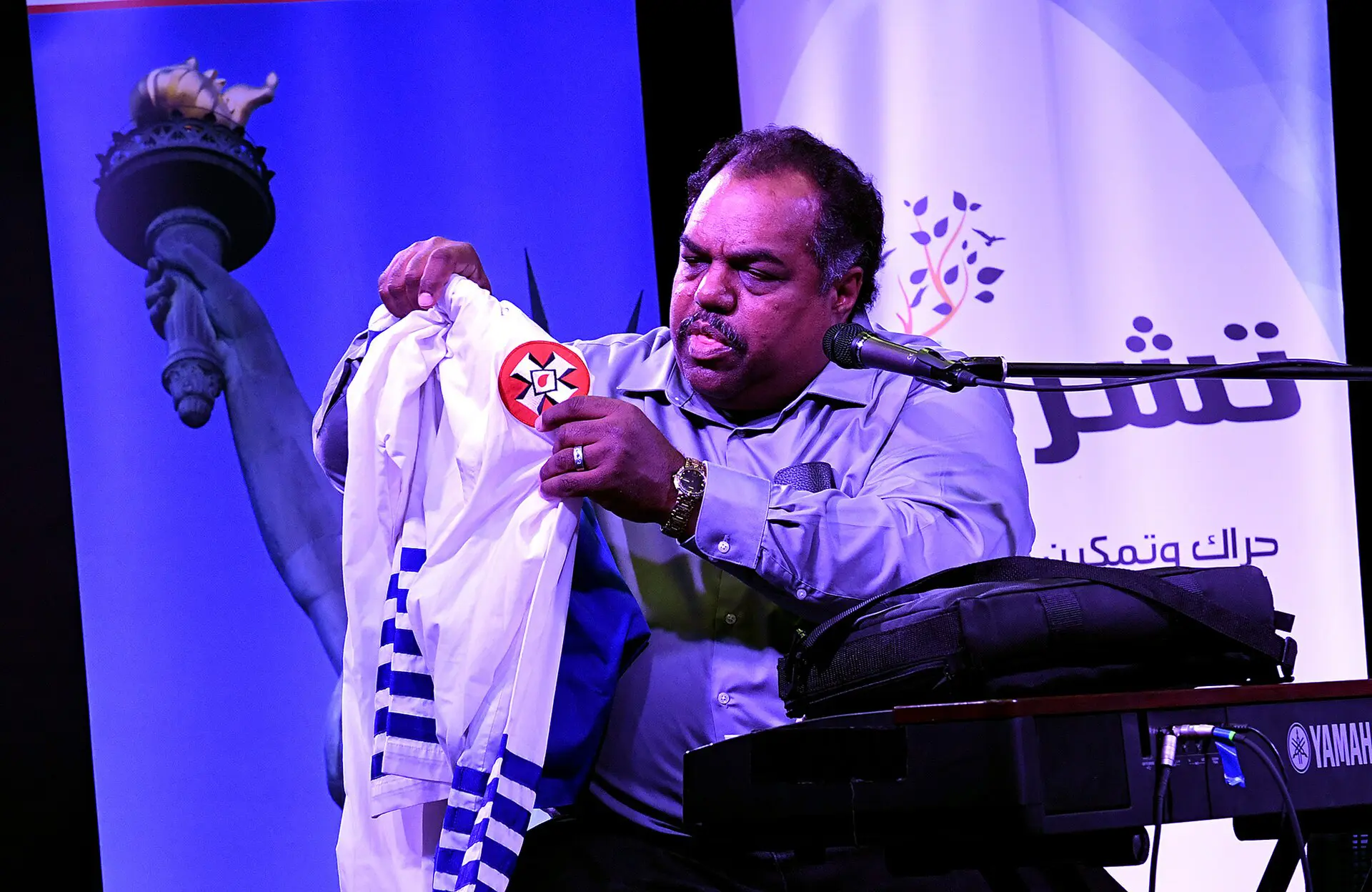
At the end of the conversation, the man gave Davis his phone number and told him to get in touch the next time he was in town. Davis did. Over time, the two men built an unlikely connection—one might even say, a friendship. This association eventually opened the door for Davis to meet Roger Kelly, a national leader of the KKK. Driven by his lifelong question, Davis did something most people would consider unthinkable: he befriended him. He even invited Roger Kelly to his house and attended Klan rallies alongside him. After six years of friendship with Daryl Davis, Roger Kelly left the organisation.
Davis’s practice flowed out of what he understood instinctively. People often fear what they do not know. Our minds respond to unfamiliar people or ideas as potential threats. Fear then hardens into suspicion and suspicion can easily become hatred. Davis believed that genuine connection could interrupt that cycle. If people could meet, talk and listen to one another, fear might begin to dissolve.
the capacity for friendship
Friendship has an incredible capacity to transform a cold and hardened heart. Davis understands that it is almost impossible to influence someone who doesn’t like you. To this day, he has developed an almost miraculous ability to sit down, listen and talk with people who would see him not only as an adversary but barely human. The question he asked himself as a boy has guided him to the discovery that ignorance breeds fear, fear breeds hate and hatred eventually leads to destruction. The answer, however, is not to fight hate with hate, but to counter it with connection.
Mark Twain captured a similar idea when he wrote about travel as a powerful antidote to hatred: “Travel is fatal to prejudice, bigotry and narrow-mindedness, and many of our people need it sorely on these accounts. Broad, wholesome, charitable views of men and things cannot be acquired by vegetating in one little corner of the earth all one’s lifetime.” Davis experienced this firsthand as a child attending international schools while living overseas with his family. Later in life, he intentionally applied that insight. By building friendships and introducing people like Roger Kelly to a variety of people, he was able to challenge their assumptions, and many began to rethink their views. Because of Davis’s humility and intentional efforts to connect, hundreds of KKK members have left the organisation. At one point, Davis admitted he lost count after 200.
making unlikely friends
Another place we see this transformation is in a man named Zacchaeus—a wealthy first-century tax collector who lived in the city of Jericho. In first-century Jewish society, tax collectors were despised. They worked for the occupying Romans and were notorious for exploiting their own people for financial gain. Zacchaeus was not just a tax collector—he was the chief tax collector, meaning he had likely risen through a system many viewed as corrupt and oppressive. He was a man who had clearly compromised values and would face condemnation for his actions by many. Yet, when Jesus of Nazareth passed through the city (Luke 19), He publicly declared He would be staying at Zacchaeus’s house and share a meal with him—an act in His cultural context that signalled friendship and social endorsement. The crowd was shocked. How could Jesus associate with someone like him? Didn’t He know what Zacchaeus had done? What he continued to do?
This act of friendship did something deep within Zacchaeus. It began to soften and penetrate his heart. As recorded in the story, during the meal, Zacchaeus stood up and declared he would make a change. He would right his wrongs, return what was unlawfully taken and make amends. The most interesting aspect of Zacchaeus’ transformation is that Jesus never actually told him to change. He did not argue or reason him into a new perspective. Instead, He shared a meal and extended friendship—and it was that connection that sparked transformation. Jesus’ instruction was to “make friends”, and He demonstrated the powerful effect of friendship in His interaction with Zacchaeus.
non-condemning love
What we see in both stories is the power of non-condemning love. Author Shawn Brace expressed this idea in a poetic statement: “The path to healing and wholeness has to go through the garden of non-condemning love.”
The stories of Daryl Davis and Zacchaeus show why. When people feel condemned, they become defensive. When they feel seen and respected, their hearts begin to open. Non-condemning love has the power to transform a hardened heart. Next time you encounter prejudice, hostility or discrimination, remember the approach of Daryl Davis and of Jesus: seek first to understand before you seek to be understood. Be curious rather than combative. Because in the end, the most powerful solution to hatred is connection, not conflict.